

Persons with disabilities studying in TVET institutions in Murang’a, Nairobi and Makueni counties have received a major boost following the launch of a project to improve access to inclusive education and employment opportunities.
The Edu-Wise initiative, funded by the Italian Agency for Development Cooperation (AICS) and implemented through a consortium led by CEFA, an Italian NGO, seeks to strengthen technical and vocational training systems while supporting young persons with disabilities to transition into the labour market.
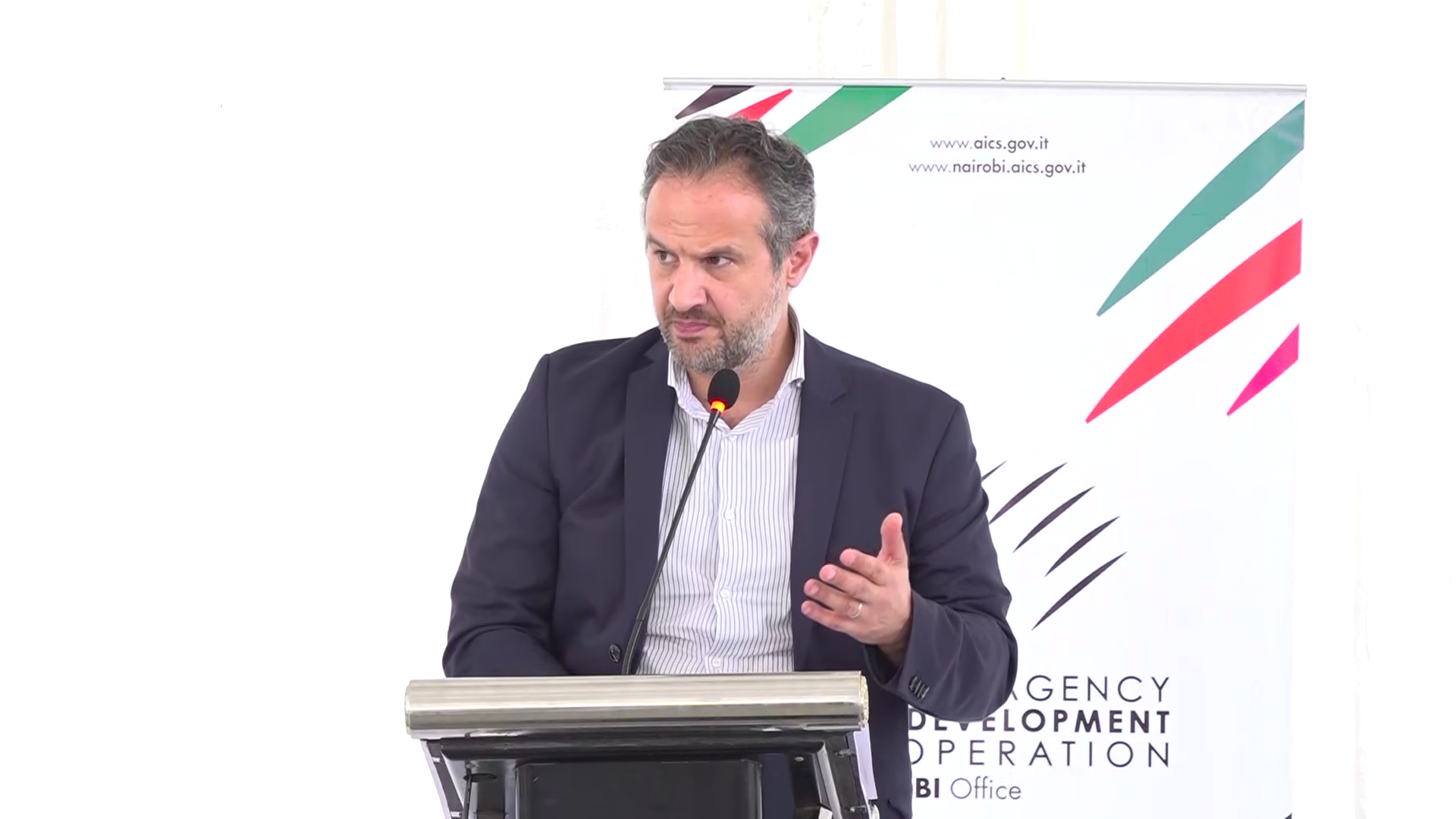
Speaking during the launch at Kiranga Vocational Training Centre in Kandara, Murang’a, AICS head Fabio Minniti said the programme seeks to dismantle barriers that continue to lock out persons with disabilities from education and employment opportunities.
“Investing in inclusion of persons with disabilities is not solely a moral imperative, it is a strategic choice for the fair and sustainable development of Kenya and also of Italy,” said Minniti.
Under the project, nine vocational training centres will be upgraded to make them more inclusive and accessible to learners with disabilities.
The programme will also provide 135 scholarships to young persons with disabilities and facilitate 135 internships in 60 companies.
The initiative will focus on improving infrastructure, strengthening psychosocial support services, promoting inclusive learning methods and creating pathways to employment and self-employment for beneficiaries.
Minniti said the project was designed to ensure inclusion becomes a daily practice within institutions, workplaces and communities rather than remaining a principle discussed only in policy documents.
He noted that structural and pedagogical barriers, limited awareness among employers and lack of support systems continue to hinder persons with disabilities from accessing vocational training and employment opportunities.
Minniti added that the programme seeks to create long-term partnerships between training institutions, development partners, employers and organisations representing persons with disabilities in order to build sustainable systems of inclusion.
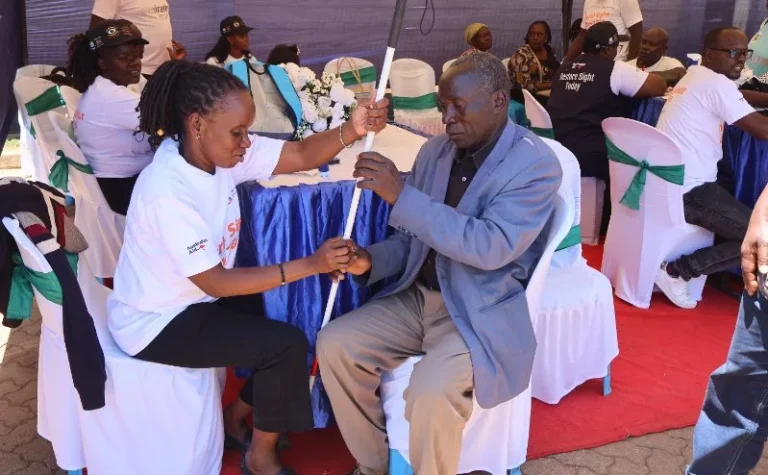
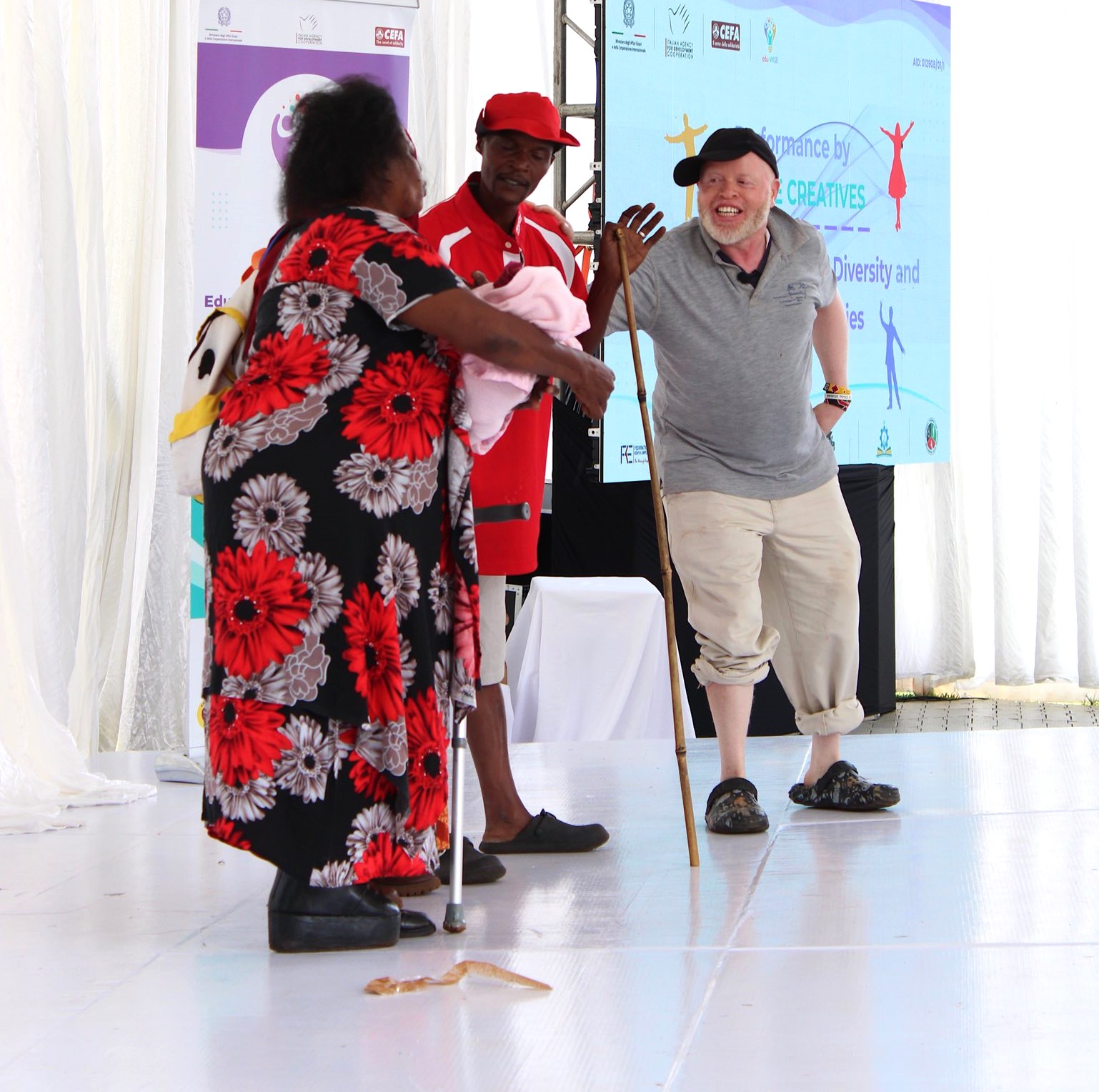 Persons With Disabilities perform a skit during the launch of Edu-Wise project at Kiranga polytechnic in Kandara on May 22, 2026/ ALICE WAITHERA
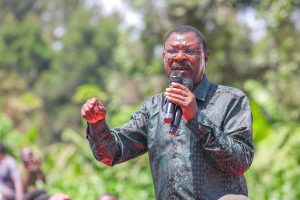
Federation of Kenya Employers Project (FKE) Coordinator Eric Ochieng’ said the organisation is committed to bridging the gap between skills development and employment for young persons with disabilities.
“At FKE, disability inclusion is not viewed as charity. It is a matter of equal opportunity and economic participation,” he said.
He said the federation will work closely with employers to promote inclusive hiring practices, workplace adaptation and disability awareness to ensure more young people with disabilities are absorbed into the workforce after training.
The Technical and Vocational Education and Training Authority (TVETA) said the project aligns with the country’s efforts to promote inclusive and quality technical education.
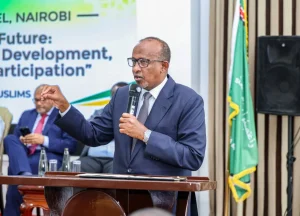
TVETA representative Mary Munyi said institutions are assessed on accessibility and availability of support services before accreditation.
“We fully acknowledge that disability inclusion is no longer a matter of charity or sympathy. It is a matter of rights, equality, social justice and sustainable development,” said Munyi.
She noted that many learners with disabilities still face challenges accessing education, training and employment due to inaccessible infrastructure and limited support systems.
Munyi added that TVETA continues to push institutions to establish disability-friendly infrastructure including ramps, accessible classrooms and provision of sign language interpreters where necessary.
According to her, before the establishment of TVETA through an Act of Parliament in 2013, technical training institutions operated without proper coordination and regulation, resulting in inconsistencies in certification and standards.
She said the authority currently regulates more than 2,000 technical institutions across the country and has continued to mainstream disability and gender issues during quality audits and registration assessments.
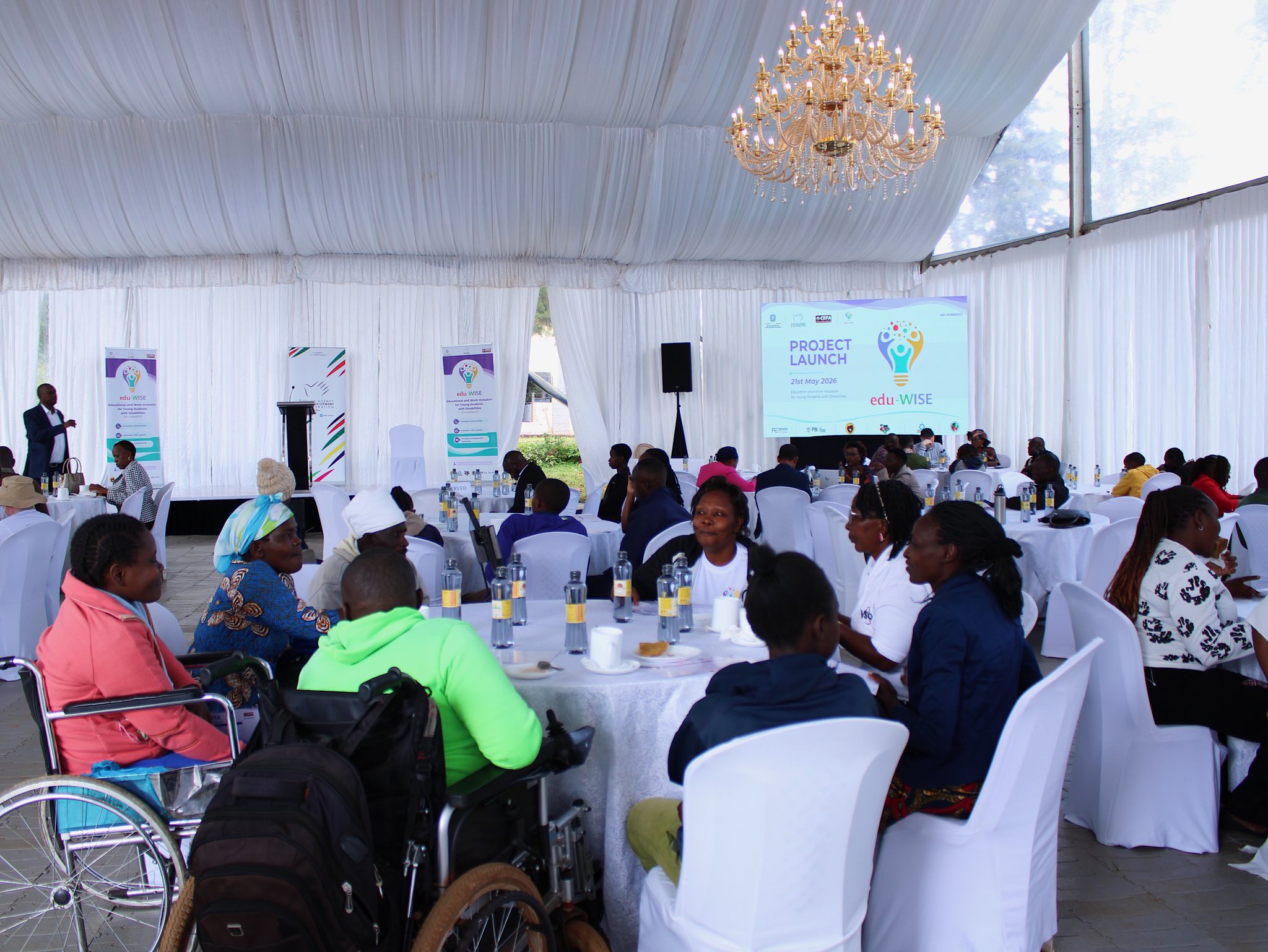 Stakeholders during the launch of Edu-Wise initiative at Kiranga polytechnic in Kandara, Murang’a county, on May 22, 2026/ ALICE WAITHERA
The National Council for Persons with Disabilities lauded the programme for adopting what it termed as a rights-based approach to inclusion.
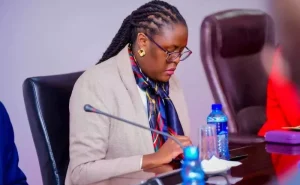
Council representative Jane Wambugu said many young persons with disabilities continue to face stigma, inaccessible learning environments and exclusion from economic opportunities despite possessing immense talent and potential.
“Inclusion is not charity and it is not a favour. It is a matter of justice, human rights and sustainable development,” said Wambugu.
She said the project’s focus on strengthening participation of organisations representing persons with disabilities in advocacy and decision-making processes will help drive sustainable change.
Wambugu further noted that education alone is not enough unless it translates into economic empowerment and independence for persons with disabilities.
The project will also establish career guidance services, support apprenticeship programmes and promote entrepreneurship among beneficiaries as part of efforts to improve economic inclusion.
“It is the beginning of a transformative journey towards a more inclusive, equitable and empowered society where every individual regardless of ability has equal opportunity and meaningful participation in national development,” said Munyi.