



The national government has begun formal engagement with Samburu County to commence mining of chromite, a high-value mineral that has been declared strategic.
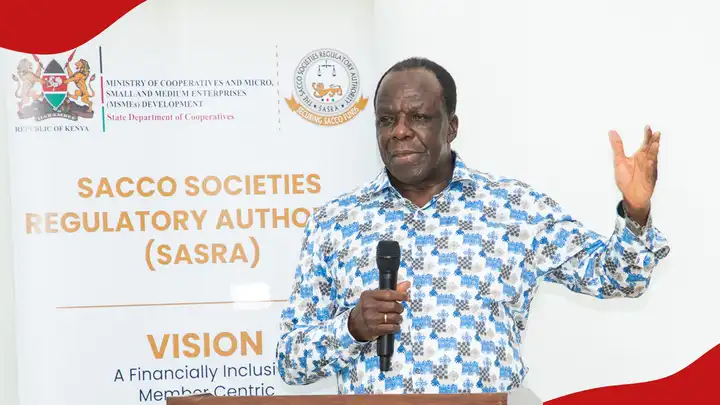
The Ministry of Mining, Blue Economy and Maritime Affairs held a sensitisation and mineral development meeting with members of the Samburu County Executive, led by Governor Jonathan Lelelit and Members of the County Assembly (MCAs) led by Deputy Speaker Jackson Layan.
The consultative forum marks the first structured step towards unlocking what the government describes as one of Kenya’s most valuable untapped mineral resources.
Mining Cabinet Secretary Hassan Joho noted that Samburu is “properly blessed and endowed” with chromite deposits and other strategic minerals, positioning the county as central to Kenya’s mining ambitions.
“We cannot talk about mining in Kenya without mentioning Samburu. That is why we convened this meeting so that we can develop a structured dialogue, one that will ensure everybody has a role to play and benefits,” Joho said.
The CS emphasised that the government sees enormous economic potential in the mineral deposits found in the region.
“The government could create so much wealth from Samburu County. We need to get organised, or else the mineral could turn into a curse. We must be on the right side of history,” Joho said.
Chromite in Kenya occurs as deposits within ultramafic rock complexes, specifically in areas such as Kangua and Wamba in Samburu.
Other known deposits are located in Kora in Tana River and parts of West Pokot.
The mineral is the primary ore of chromium, a metal heavily utilised in industrial manufacturing, particularly in the production of corrosion-resistant stainless steel.
Beyond stainless steel, chromium derived from chromite is used in the manufacture of pigments, paints, leather tanning chemicals and industrial catalysts, making it a mineral of significant global demand.
Mining Principal Secretary Harry Kimtai said Samburu County stands to gain immensely from the mining venture, particularly through increased Own Source Revenue.
“We declared chromite a strategic mineral because of its huge demand. From the proceeds, we will pay what belongs to the county and not ask how you utilise the money because that will be decided by the County Assembly,” Kimtai said.
He noted that the government is currently collecting geological data and conducting stakeholder engagement to ensure transparency and inclusivity in the process.
According to the PS, the next phases will involve investor solicitation before mining rights are issued.
The Kenyan government has already gazetted chromite as a strategic mineral, prohibiting unauthorised exploration and mining.
A moratorium on mining and processing was instituted to facilitate sector reforms, effectively making unauthorised dealing in the mineral a criminal offence.
Joho added that apart from the Samburu county government, local communities also stand to benefit significantly if the project is implemented properly. He cited the example of Base Titanium in Kwale County as a model of responsible mining.
Base Titanium has provided significant community benefits through extensive social infrastructure development, including building schools and health centres, offering education scholarships, and implementing agricultural support programmes.
The company has also enhanced local livelihoods through skills training initiatives and achieved approximately 70 per cent local employment. As of January 2026, it is facilitating Sh900 million in community royalties.