



Efforts to eradicate Female Genital Mutilation in Kajiado county have been intensified, with activists warning that the practice, still widely carried out in secret, continues to jeopardise the lives and education of girls.
Through door-to-door campaigns, school-based mentorship and community dialogues, anti-FGM groups are working to reduce the prevalence of the practice and ensure girls can remain in school.
WeCare Association, a non-governmental organisation, has been leading these efforts in Kajiado, engaging parents, elders and local leaders while promoting alternative rites of passage that safeguard girls’ health and future.
Agnes Gitonga from WeCare said FGM continues to endanger girls’ education and health, with many forced to drop out of school once they undergo the cut. She added that the practice also exposes girls to early pregnancies and limits their future economic opportunities.
“FGM has no medical benefit and only exposes girls to serious health risks. Girls who undergo the cut are often considered ready for marriage, forcing many to drop out of school,” Gitonga said.
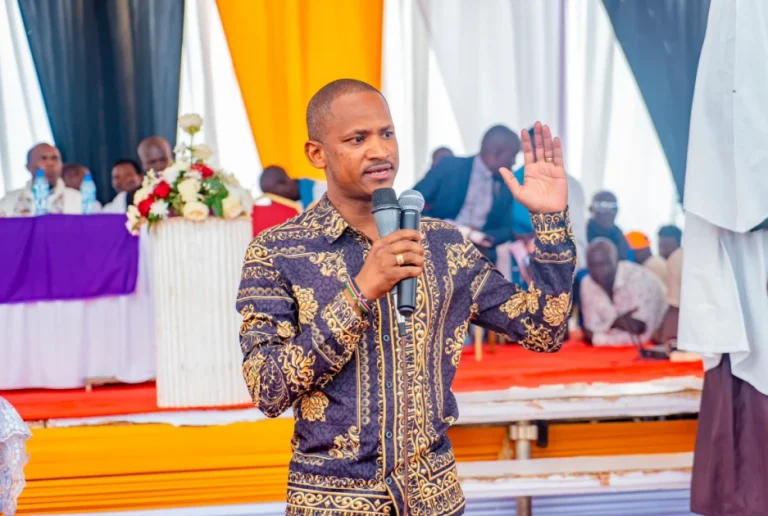
Speaking during a community outreach forum in Kajiado West, Gitonga said the NGO is working closely with administrators, teachers and religious leaders to promote alternative rites of passage that uphold cultural values without harming girls.
The organisation is also encouraging residents to report cases to authorities and support efforts aimed at protecting girls from the vice.
She called on parents, community leaders, teachers and law enforcement agencies to collaborate in protecting girls, emphasising that education, awareness and strict enforcement of the law are crucial to ending the harmful practice.
According to the Kenya National Bureau of Statistics in the Kenya Demographic and Health Survey (2014–2015), 21 per cent of women aged 15 to 49 years have undergone FGM nationally, while three in every 10 girls remain at risk. In Kajiado county, the prevalence stands at 78 per cent, nearly four times the national average.
Although regarded as a cultural rite of passage among some communities, health experts warn that FGM can lead to severe pain, excessive bleeding, genital tissue swelling, infections, complications during childbirth, long-term psychological trauma, and, in extreme cases, death. Survivors may also experience chronic infections and reproductive health challenges.
The practice is illegal under the Prohibition of Female Genital Mutilation Act 2011, the Children’s Act and the Penal Code.
The law criminalises performing FGM, aiding or facilitating it, providing premises for its commission, failing to report cases, and possessing instruments used to carry it out. Convicted offenders face a jail term of three to seven years, a fine of up to Sh500,000, or both.