



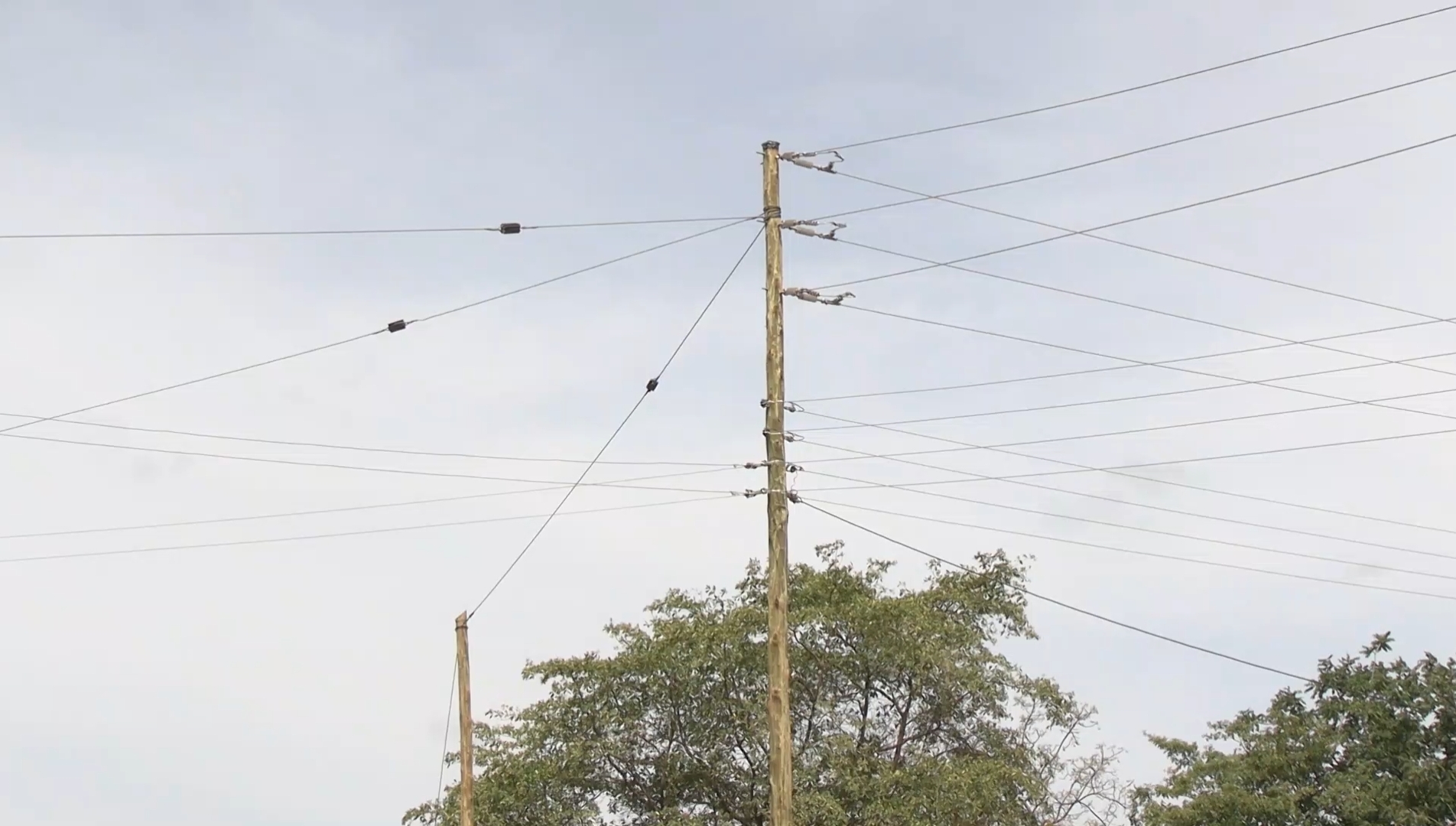
Mbeere North constituency is set for major transformation as power projects will connect 2,450 households to the national grid, ending decades of limited rural electricity access.
The national government has allocated Sh336 million in the current financial year to expand electricity coverage in the constituency, according to Energy PS Alex Wachira, who recently toured the area.
For years, residents have decried what they describe as historical marginalisation in power connectivity, despite living near the Seven Forks hydroelectric dams that generate a significant share of Kenya’s electricity.
The dams, managed by the Kenya Electricity Generating Company, contribute about 600 megawatts to the national grid.
Yet many villages have remained in darkness, slowing economic growth and limiting access to essential services.
Residents say the lack of electricity has hindered development and denied them opportunities available in other parts of the country.
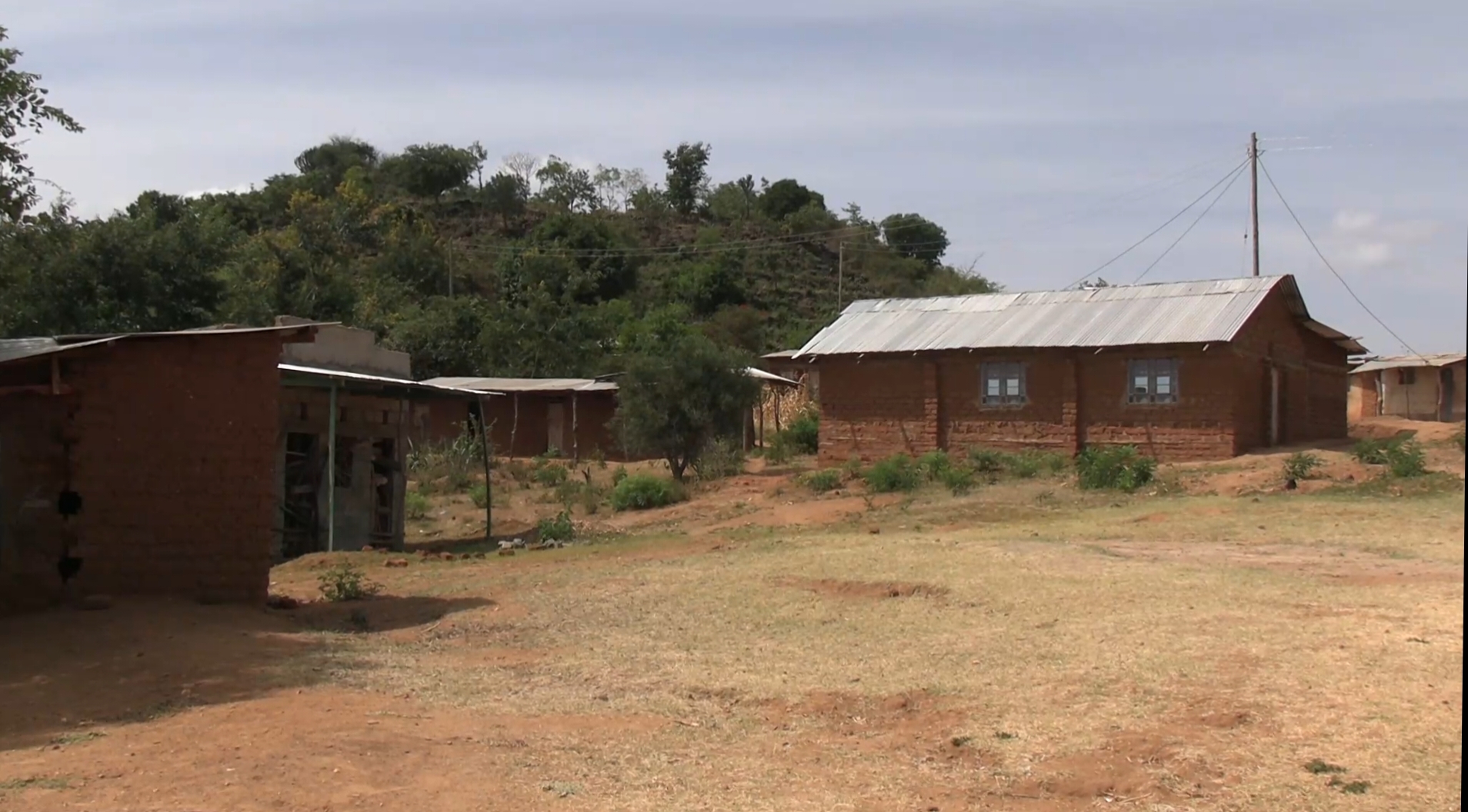
“We have never before had electricity in this area. Any time we wanted services that require power, we had to travel to Kanyuambora shopping centre, which is quite a distance from here,” Kamahuwa resident Michael Njeru said.
He said the absence of reliable electricity has discouraged investment, with many people who achieve financial stability opting to settle in better-serviced towns.
“People have shunned this area because of lack of basic commodities such as water and power. Those who do well financially move away, leaving the rest of us behind,” Njeru said.
The constituency is largely rural, with most residents depending on subsistence agriculture.
Many trading centres are characterised by mud and brick structures, reflecting limited commercial growth over the years.
The new connections are being implemented under the government’s Last Mile Connectivity Programme through Kenya Power, targeting homes, schools and small businesses.
Residents said electricity will unlock economic potential by enabling enterprises such as posho mills, welding workshops, barber shops and small retail outlets.
Schools are among the biggest beneficiaries of the electrification drive.
Andrew Gitau, headteacher of FGCK Kamaua Secondary School in Evurore ward, said institutions in the area have struggled to implement the Competency-Based Education (CBE) system due to lack of power.
“Despite being supplied with computers and printers, we have not been able to use them effectively because there was no electricity. Some devices have remained idle for so long that their batteries have worn out,” he said.
Teachers have been forced to travel more than four kilometres to Kanyuambora shopping centre to type and print examination papers and other learning materials.
At Kamahuwa Primary School, some teachers have sought accommodation in Kanyuambora due to the availability of electricity and better housing facilities.
Gitau expressed optimism that with electricity now reaching schools, learners will finally benefit from digital literacy programmes rolled out by the government.
“Connecting our school to power will ensure smooth learning and equip students with necessary digital skills under the CBE system. Our learners will no longer be left behind,” he said.
Mbeere North has historically lagged behind in infrastructure development compared to other parts of Embu county, with poor road networks, limited water supply and low electrification rates slowing social and economic progress.
The government has allocated Sh805 million to connect 7,377 households in Embu, including Mbeere North.
Government data shows while Kenya has made significant strides in increasing national electricity access over the past decade, some rural constituencies have remained underserved due to sparse settlement patterns and high connectivity costs.
For many households that have relied on kerosene lamps for generations, the arrival of electricity symbolises opportunity, inclusion and hope for a brighter economic future.