

Community leaders have been urged to strengthen support for Technical and Vocational Education and Training institutions (TVETs) as part of broader efforts to tackle youth unemployment and equip young people with practical skills for self-reliance.
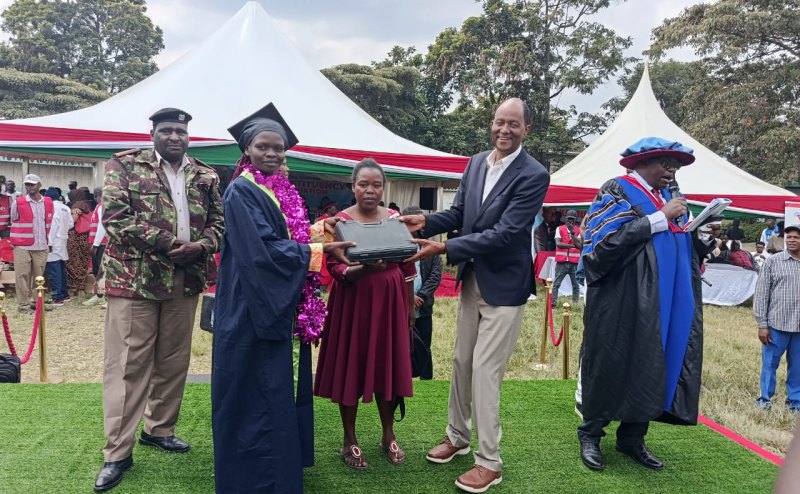
Speaking during the graduation of the first cohort of 450 youths at Kenya YMCA in Kamukunji, area MP Yusuf Hassan called on leaders to bridge the persistent gap between secondary education and higher learning institutions by sponsoring students who are unable to proceed to universities and colleges.
“This is the first cohort of our 2026 youth empowerment programme. We are bridging the gap between secondary schools and universities,” Hassan said.
“We have been putting a lot of emphasis on our young people to go to universities but as we know, thousands are not able to continue to universities or even have interest. But they are talented and they have skills. These are the people we should address.”
The programme, implemented in collaboration with Kenya YMCA National in Kamukunji, saw young people trained in various vocational disciplines including nurse assisting, hospitality, plumbing, and mechanical work.
Hassan noted that many of the beneficiaries were drawn from vulnerable backgrounds, particularly informal settlements, where access to education and economic opportunities remains limited.
“We have taken youngsters from very desperate communities. They come from informal settlements. They are marginalized, left out, and did not have the means,” he said.
“We help them with tools and sometimes with cash. After graduation, we will follow them up to help them with their challenges and upgrade their skills.”
He added that the initiative also aimed to reduce the risk of idle youth drifting into crime by providing them with structured training and opportunities for income generation.
“I am happy we have taken a large number of youth who were idle, unemployed and facing the risk of falling into criminal activities and given them a purpose, self-esteem and opportunity to get into the job market,” Hassan said. “They are people who are very deserving and their parents had written them off.”
The programme, which cost about Sh26 million, also provided graduates with tools and gadgets to help them start work immediately or establish small businesses.
Kenya YMCA National Secretary General and CEO Jared Musima said the institution faced a demanding task in identifying genuinely needy students, urging beneficiaries to make full use of the opportunity.
“We had a lot of work in identifying the really needy students,” Musima said. “Those who got the opportunity should utilise it well and improve the Kenyan economy.”
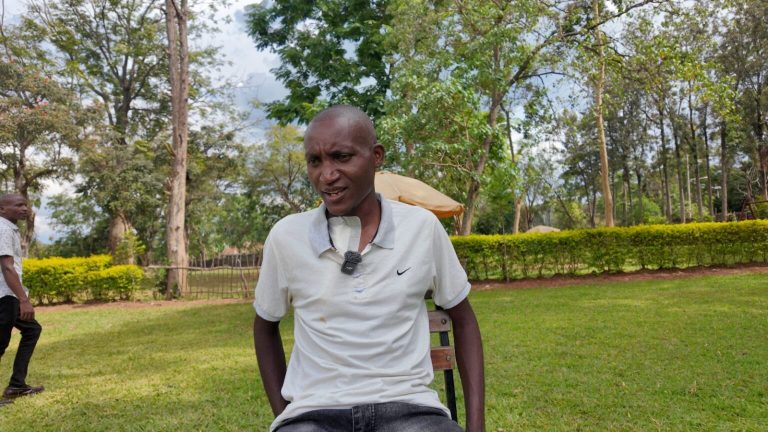
Graduates expressed optimism about entering the job market and starting self-employment ventures, saying the training had equipped them with practical skills and renewed confidence.
Many said they were ready to uphold the YMCA name through their work and contribution to the community.