


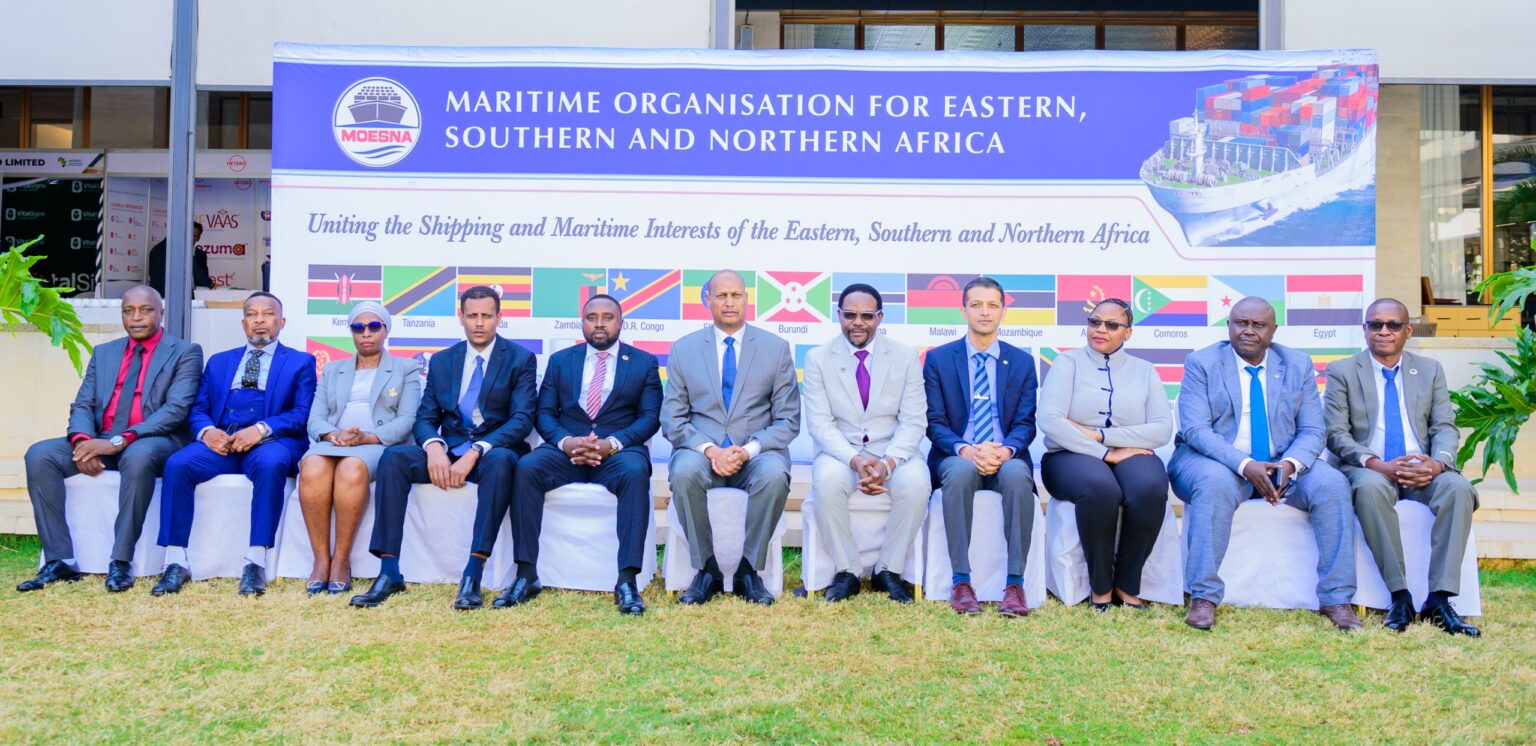
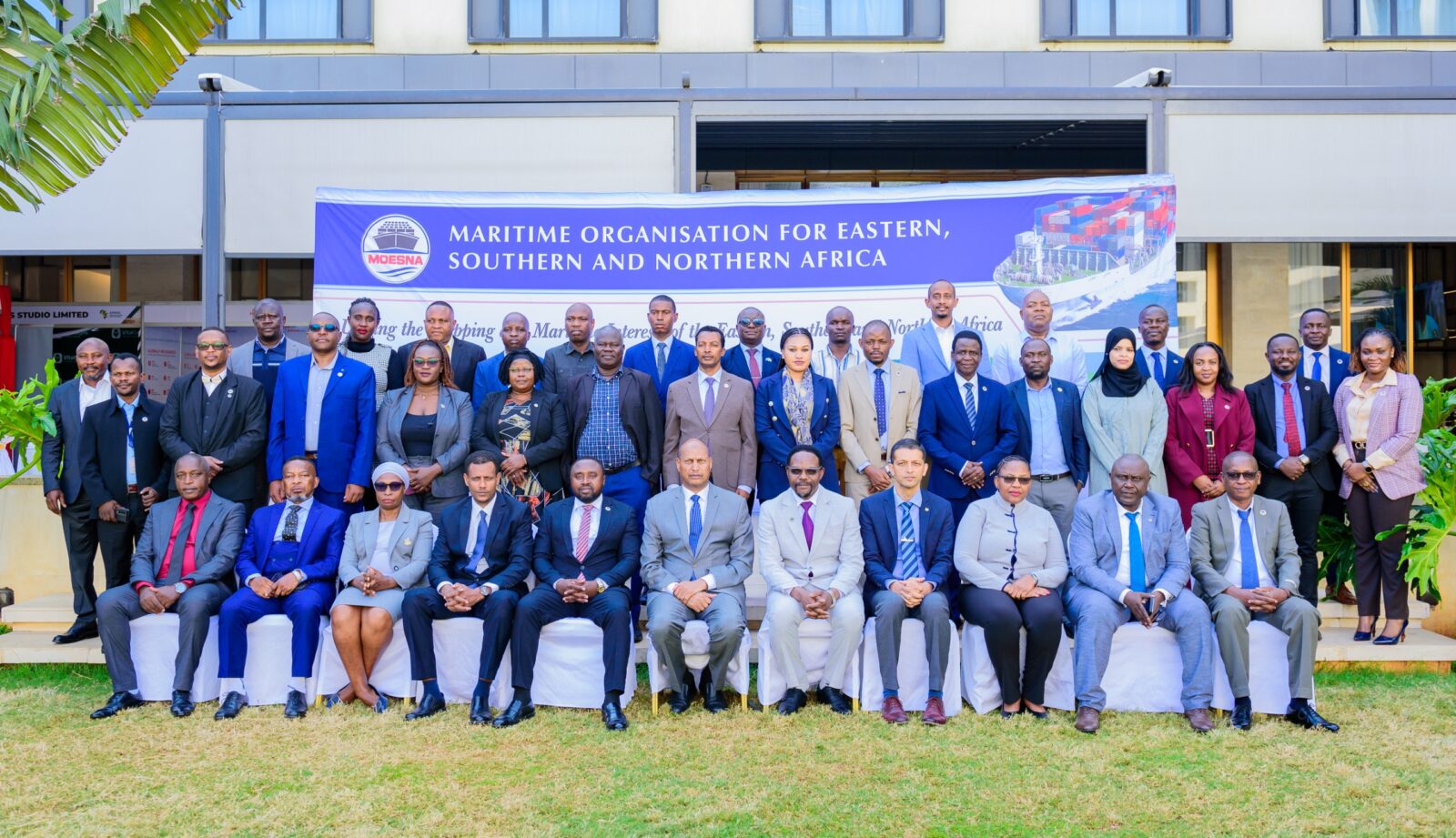
Twenty-three countries across Eastern, Southern and Northern Africa have endorsed plans to establish the region’s first regional maritime university, a move expected to transform maritime training, create thousands of jobs and strengthen Africa’s position in the global shipping industry.
The proposal, now at the validation stage after a feasibility study, seeks to unite member states under a single maritime institution that will harmonise training standards, pool resources and produce internationally competitive seafarers. Once validated, the recommendations will be presented to the Assembly of Ministers for approval before implementation begins.
Maritime Organisation for Eastern, Southern and Northern Africa (MOESNA) Secretary General Kasim Mpata said the initiative would end decades of fragmented investment in maritime education.
“We have remained fragmented and we have not had an institution which we all can refer to as a regional maritime university,” Mpata said.
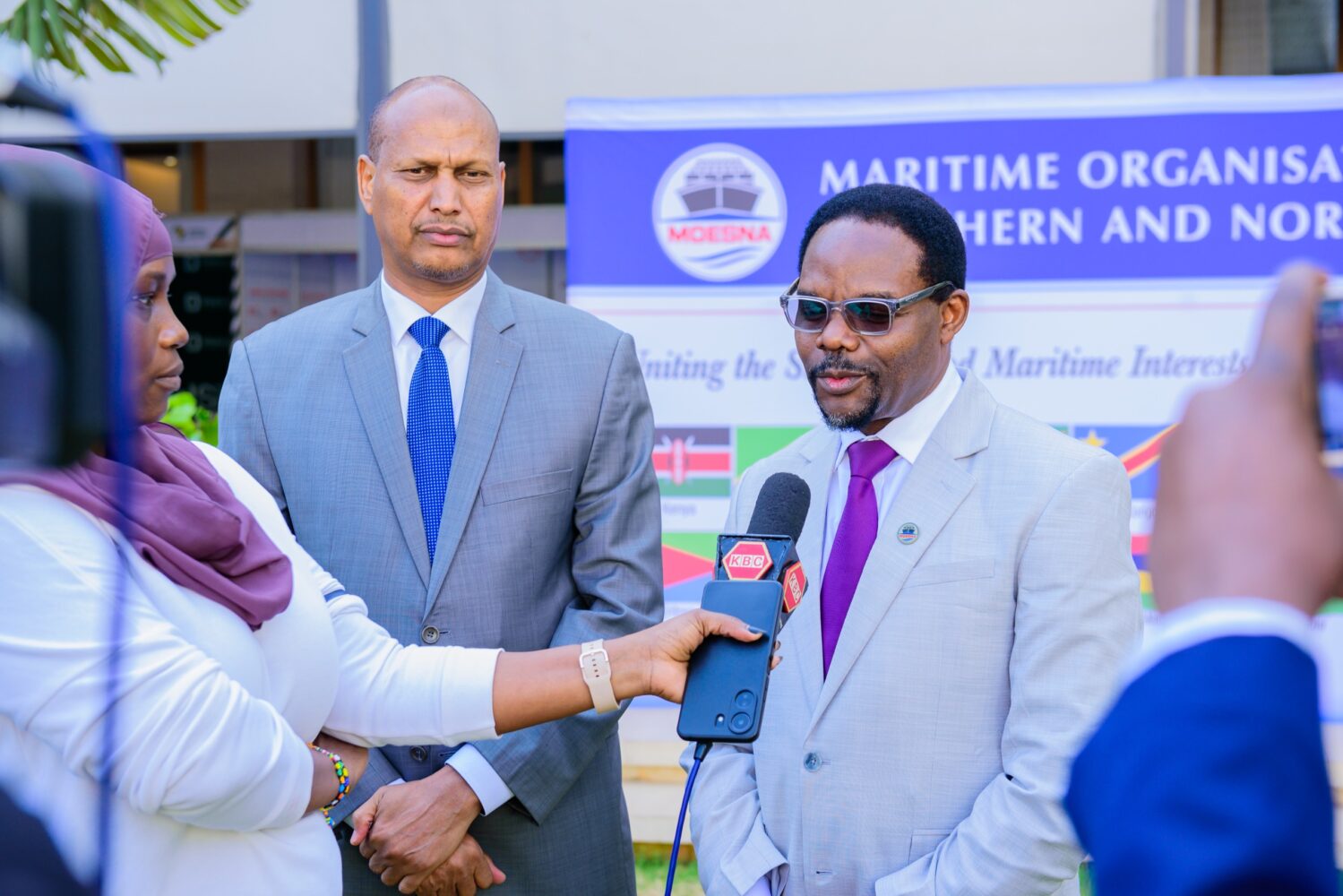
He said the university would serve as a regional centre of excellence, allowing countries to consolidate expertise, share expensive training facilities and harmonise maritime education.
“We can come up with a place which we can call our own as regional states, and this will help us in consolidating resources, expertise and harmonising our maritime training culture,” he added.
The planned institution would fill a major gap in Eastern and Southern Africa, where no regional maritime university currently exists, unlike West Africa, which has two, and North Africa, which hosts one in Egypt.
Principal Secretary for Shipping and Maritime Affairs Aden Millah said stronger maritime education is key to unlocking Africa’s blue economy and reducing the continent’s dependence on foreign shipping companies.
“As African states we are really disadvantaged on matters of global maritime trade,” Millah said.
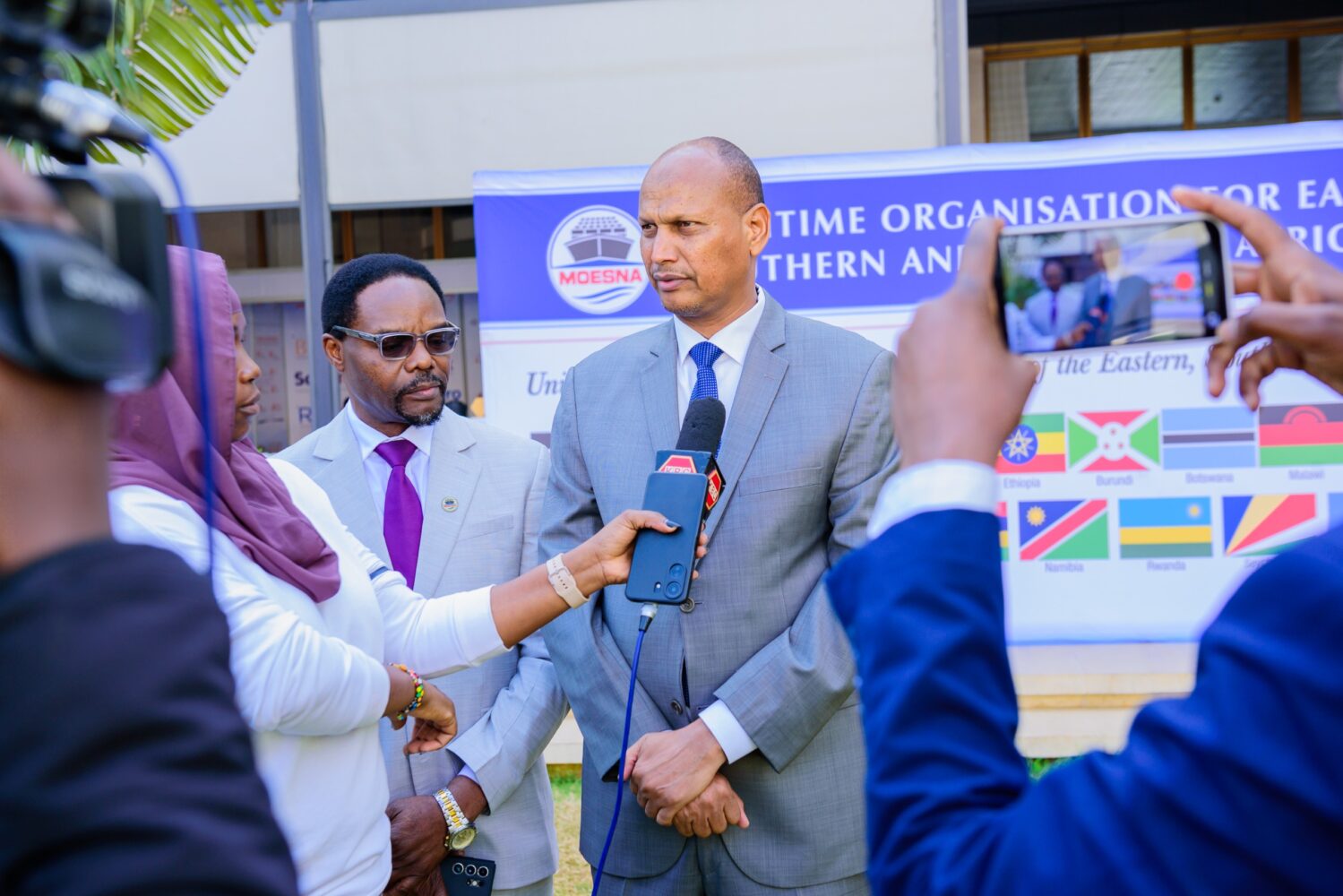
“Most of the large shipping lines belong to Europeans, Chinese and others, and they dictate freight charges that eventually determine the prices of goods in our countries.”
He said the university forms part of a broader regional strategy that includes developing African shipping lines, expanding shipbuilding capacity and producing internationally recognised maritime professionals.
“The employment opportunities in the maritime space are huge. We know the opportunities are there, so we want to prepare our people to have the right skills to take advantage of them,” he said.
Millah revealed that Kenya has already secured jobs for 1,000 seafarers aboard Norwegian vessels, while negotiations are underway to place another 2,000 Kenyans on South Korean ships. Kenya has also signed a labour agreement with Saudi Arabia to boost maritime employment.
He, however, noted that such opportunities require internationally recognised Certificates of Competency, making the proposed university critical.
Officials said maritime education remains one of the most expensive forms of training because it requires specialised simulators, laboratories, sea-training vessels and highly skilled instructors.
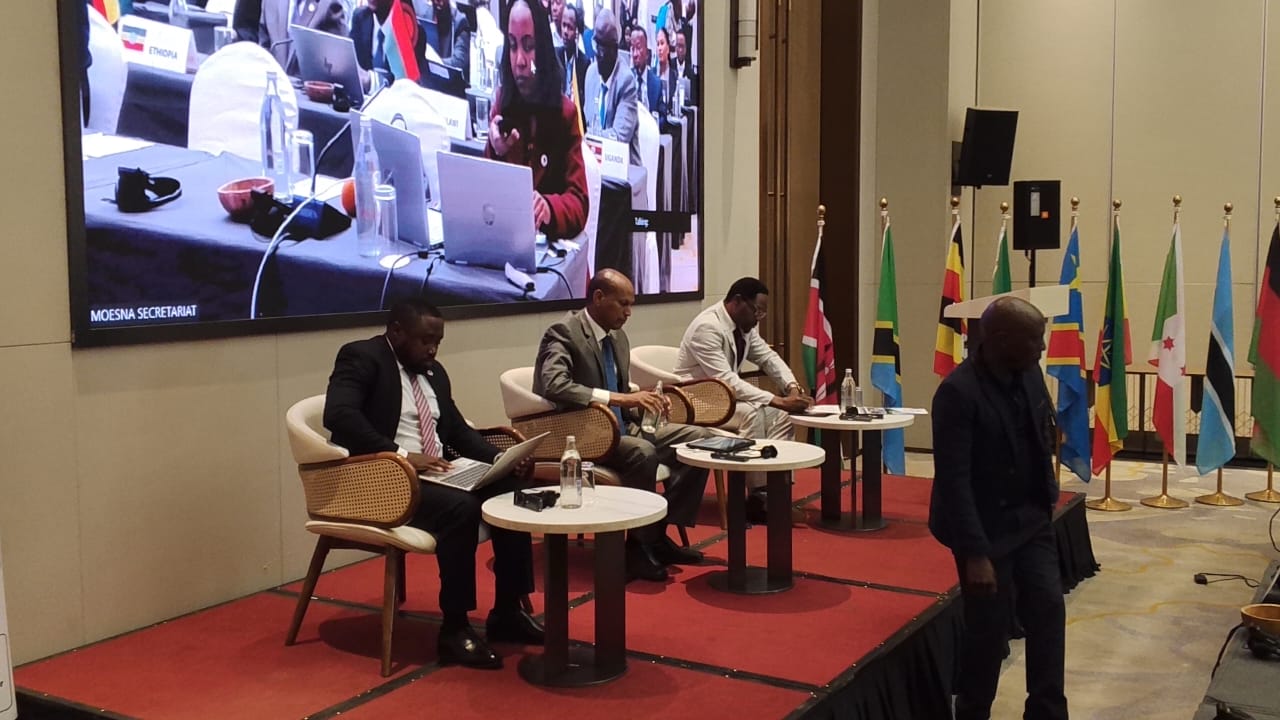
“Maritime education is an expensive venture,” Mpata said.
“We need simulators, we need vessels to enable our cadets to access sea time, and we need professionals of the highest standards. Unfortunately, our efforts and resources are dispersed and fragmented.”
Rather than immediately building a new campus, the university is expected to begin as a virtual institution linking existing maritime colleges across member states while harmonising curricula and qualifications. A permanent campus would be established later once governments agree on its location and governance.
The institution is also expected to support implementation of the African Continental Free Trade Area (AfCFTA) by producing skilled professionals capable of improving maritime transport and regional connectivity.
To tackle the shortage of sea-time opportunities required for certification, member states are considering jointly acquiring training vessels that would transport cargo between African ports while providing practical experience for cadets.
“If regional states support this initiative, we should be able to mobilise resources to acquire maritime training vessels,” Mpata said. “Our cadets will gain sea time while at the same time supporting regional connectivity.”
According to officials, all 23 participating countries have backed the proposal in principle.
“We have not seen any member state opposing the establishment of a regional institution on matters maritime,” Mpata said. “We believe that once we go through the necessary protocols, we should be able to implement this since we have support from across the region.”
If approved, the university will become the first regional maritime institution serving Eastern and Southern Africa, aligning training with international standards while equipping the continent with the skilled workforce needed to compete in the global shipping industry.