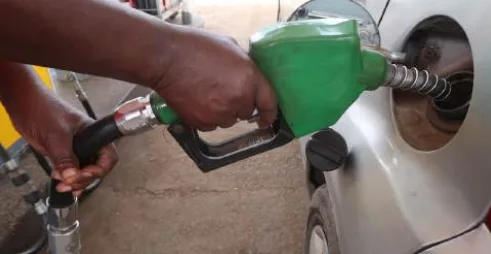


Since the onset of the Iran-US conflict and the resulting closure of the Strait of Hormuz, the world has been jittery about their fuel stocks, not only in terms of security of supply but also the cost of fuel.
This situation presents a unique opportunity for fossil fuel users to explore alternatives to not be caught up in the oil-gas drama happening in the world.
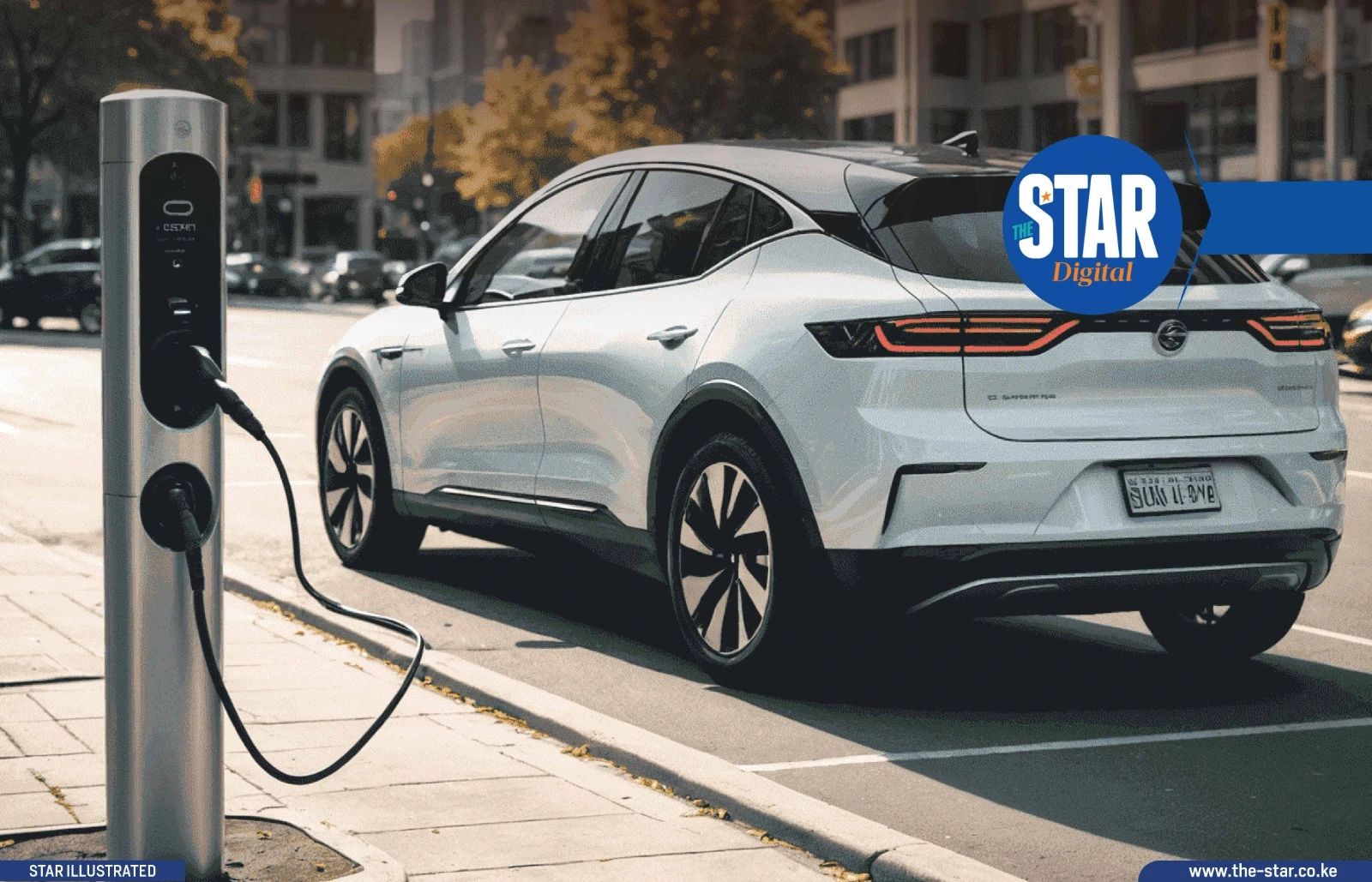
I had a conversation with a friend of mine in the United States to share his fuel situation, and he shocked me that fuel is not an issue for him. I asked him how; he told me he owns an electric vehicle which is not currently affected by the Strait of Hormuz closure. This got me thinking that we can survive the fuel crisis by adopting electric vehicles, bikes and scooters.
Currently Kenya’s electricity comes from renewable energy sources like geothermal, wind, hydro and solar, which are not susceptible to fossil fuel price volatility. This is a great source of power for e-mobility and an opportunity for Kenyans to consider addressing their fuel predicament.
To support the e-mobility sector, the Energy and Petroleum Regulatory Authority has a special electricity tariff for electric vehicles (EVs) in Kenya going for Sh16 per kilowatt-hour (kWh) during peak hours and Sh8 per kWh during off-peak hours irrespective of the electricity generation source.
This new locked tariff is highly appealing to the transport sector, particularly as a growing number of Kenyans are adopting e-mobility, evidenced by the increase in power consumption by EVs.
According to Epra’s latest report for the financial year ending June 30, electricity consumption under the e-mobility tariff grew by 5.04 gigawatt-hours (GWh), marking a 300 per cent increase from the previous year’s 1.26 GWh.
With the current fuel situation in the country, Kenyans should explore the use of e-mobility, which seems affordable and attractive when it comes to insulation against fuel price fluctuations.
EVs are cheaper to run than petrol vehicles when it comes to fuelling. The cost difference between fuelling a petrol car and charging an EV is striking.
A typical Kenyan driver covering 2,000km in a month in a petrol car averaging 10km per litre would spend about Sh39,520 per month on fuel at April 2026 prices, and this could rise, which is already a reality today.
By contrast, at Kenya’s off-peak e-mobility tariff of Sh8 per kWh, an EV costs between Sh1.20 and Sh1.60 per kilometre to run, significantly cheaper than the Sh10–20 per kilometre running cost of most petrol vehicles, meaning EVs can offer up to 70 per cent lower running costs per kilometre.
For instance, an electric car can travel approximately 400km on Sh1,000 worth of charging, while a petrol car demands significantly higher expenses for the same distance.
Electricity prices are generally more stable than petrol prices. Whereas petrol prices fluctuate monthly based on global oil markets and the performance of the shilling, electricity tariffs in Kenya are determined domestically and change less frequently.
While petrol prices are affected by international market trends and currency fluctuations, electricity rates in Kenya tend to be more consistent and affordable bolstered by geothermal and ongoing rains.
An EV owner is effectively insulated from Middle East wars, Organization of the Petroleum Exporting Countries decisions and tanker route disruptions
Kenya’s EV market and infrastructure are growing fast. A few years back in Kenya, when the e-mobility sector was at its infancy, the industry had a lot of infrastructural challenges from lack of financing and charging stations. But this has changed for the better with concerns about charging availability easing rapidly and universal chargers becoming easily accessible.
Kenya Power has recently announced plans to set up 45 fast-charging stations across six counties: Nairobi, Mombasa, Kisumu, Nakuru, Eldoret and Nyeri. Early this year, Rideence Africa partnered with Associated Vehicle Assemblers in a $2.46 million deal to establish Kenya’s first EV assembly line in Mombasa for taxis and minibuses, aiming to produce 5,000 vehicles annually. If this is anything to go by, Kenyans are spoilt for choice for EV adoption.
The latest fuel price announced by Epra is a reminder of the consequences of continued dependence on imported petroleum. EVs offer Kenyans a genuine exit from that cycle because they are powered by domestic renewable energy and at locked price, which is cheaper to run per kilometre and increasingly available.
The upfront cost remains the main barrier, but for anyone who can afford the initial investment, the insulation from fuel price volatility alone makes a compelling case.