



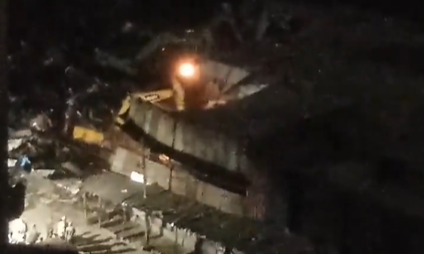
A section of Gikomba’s shoe market sector, was demolished overnight by county authorities following the lapse of an eviction notice.
The demolition is in line with county’s efforts to reclaim riparian lands.
The operation, carried out under tight security, saw traders wake up to flattened stalls and scattered merchandise, marking a significant disruption in one of the city’s busiest informal trading hubs.
The demolished section is understood to have been among structures identified as encroaching on designated river reserve land.
County officials indicated that the demolition followed due process, noting that traders had been issued with prior notice to vacate the area.
The action aligns with a broader directive issued on May 3, 2024 by the Interior Ministry, ordering the removal of buildings constructed on riparian lands across Nairobi and other affected urban areas.
The directive was part of emergency interventions aimed at mitigating the impact of heavy rains and recurrent flooding, which had exposed the dangers of settlements and business structures located along riverbanks and drainage corridors.
Traders at the Gikomba shoe market expressed frustration and loss, with many saying the eviction had dealt a heavy economic blow. Some claimed they had invested heavily in their businesses and were caught off guard by the timing of the demolition, despite the earlier notice.
Others, however, acknowledged awareness of the directive but said they had hoped for more time or alternative arrangements.
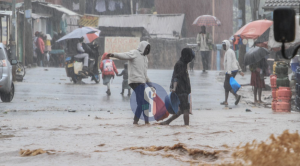
The crackdown on riparian encroachment gained urgency following devastating floods that swept across the country in recent months. The floods claimed the lives of more than 100 people nationwide, with Nairobi recording the highest number of fatalities at 37.
In the capital, swollen rivers burst their banks, submerging homes, displacing families, and destroying property. Informal settlements and markets located along waterways were among the hardest hit, with authorities warning that continued occupation of such areas poses a serious risk to life and infrastructure.
Government agencies have maintained that enforcement of riparian regulations is critical to preventing future disasters. Officials argue that clearing illegal structures will not only restore natural drainage systems but also reduce the vulnerability of urban populations to extreme weather events.
Urban planners and environmental experts have long warned about the consequences of encroaching on riparian reserves, noting that such practices interfere with water flow and exacerbate flooding during heavy rains.
However, the demolitions have also reignited debate over urban planning and the livelihoods of informal traders, many of whom depend on spaces like Gikomba for survival.
Critics argue that while enforcement is necessary, authorities must also provide alternative trading areas and support systems to cushion those affected.
As the dust settles in the Gikomba shoe market sector, traders are left to count their losses and contemplate their next move, even as the government signals that similar operations could continue in other parts of the city.