The internet has changed how private moments can become permanent. Images and videos shared online, whether leaked without consent or originally posted on subscription platforms, can remain accessible for years through screenshots, downloads and reposts.
While much of the public debate focuses on the adults involved, one social media user is asking a different question: what happens to their children in the future?
“When doing these things, at least think about your children. It might be giving you money right now, but the child’s mental health will not be okay,” Kenyan content creator am.malcom said.
The comment reflects a growing concern that children could become unintended victims of their parents’ online history.
A Digital Footprint That Can Last
Experts have long warned that online content can be difficult to erase completely. Even when material is removed from its original source, copies may continue to circulate across websites, private groups and social media platforms.
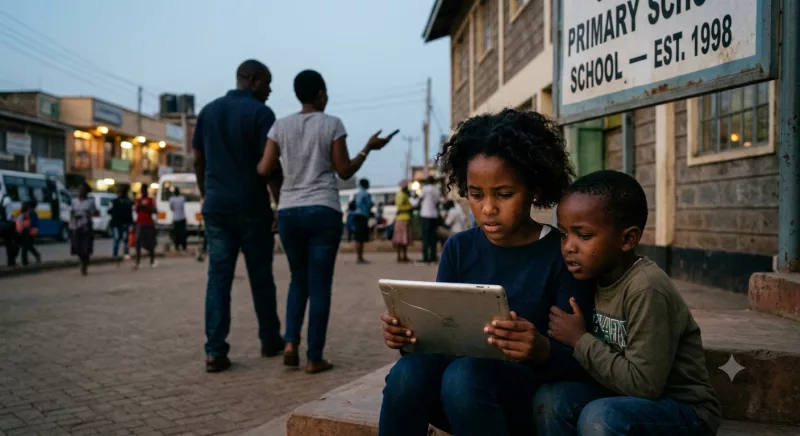
Child safety experts also note that today’s children are growing up in an environment where classmates often have easy access to information through smartphones and social media.
The Fear of Future Bullying
Many contributors to the online conversation said they worry that children could face teasing or bullying if intimate images of a parent resurface years later.
One commonly shared concern is that disagreements at school could become personal, with classmates using a parent’s leaked images to embarrass or humiliate another child.
“Your kids might have an argument with other children, and someone could bring up their parents’ nude images online,” user malcom commented. “The child may struggle to defend themselves and become the one carrying the shame.”
Malcolm // Instagram
Psychologists have consistently found that bullying linked to family circumstances can affect a child’s confidence, emotional wellbeing and relationships.
However, experts also stress that responsibility for bullying always lies with those who choose to harass others—not with the children who become targets.
Beyond Blame
Campaigners against image-based abuse argue that victims of non-consensual image leaks should not be blamed for crimes committed against them.
At the same time, digital safety specialists encourage adults to think carefully about the long-term consequences of anything they choose to publish online voluntarily. Decisions made today may become part of a permanent digital footprint that children later encounter.
A Conversation About Responsibility
The debate highlights two issues at once: protecting adults from image-based abuse and considering the long-term impact that public online content can have on families.
For many people taking part in the discussion, the concern is not only about reputation. It is about children who had no say in what was posted but may one day face questions, judgement or bullying because of it.
“The conversation is ultimately about children who may inherit the consequences of an online world that rarely forgets.”