


Members of Parliament are seeking answers on the whereabouts of about 28,000 tonnes of sugar that was declared unfit for consumption yet it left Mombasa.
The National Assembly Committee on Trade, Industry and Cooperatives has launched investigations into the handling of the sugar that was moved to Nairobi.
The legislators are demanding answers from among others, the Kenya Sugar Board (KSB), on how the consignment imported by Mombasa Sugar Refinery Limited and valued at around Sh1.5 billion left the port.
MPs have raised concerns that the sugar in question that was flagged by the Kenya Bureau of Standards (Kebs) may have found its way into the market, thus endangering the safety of consumers.
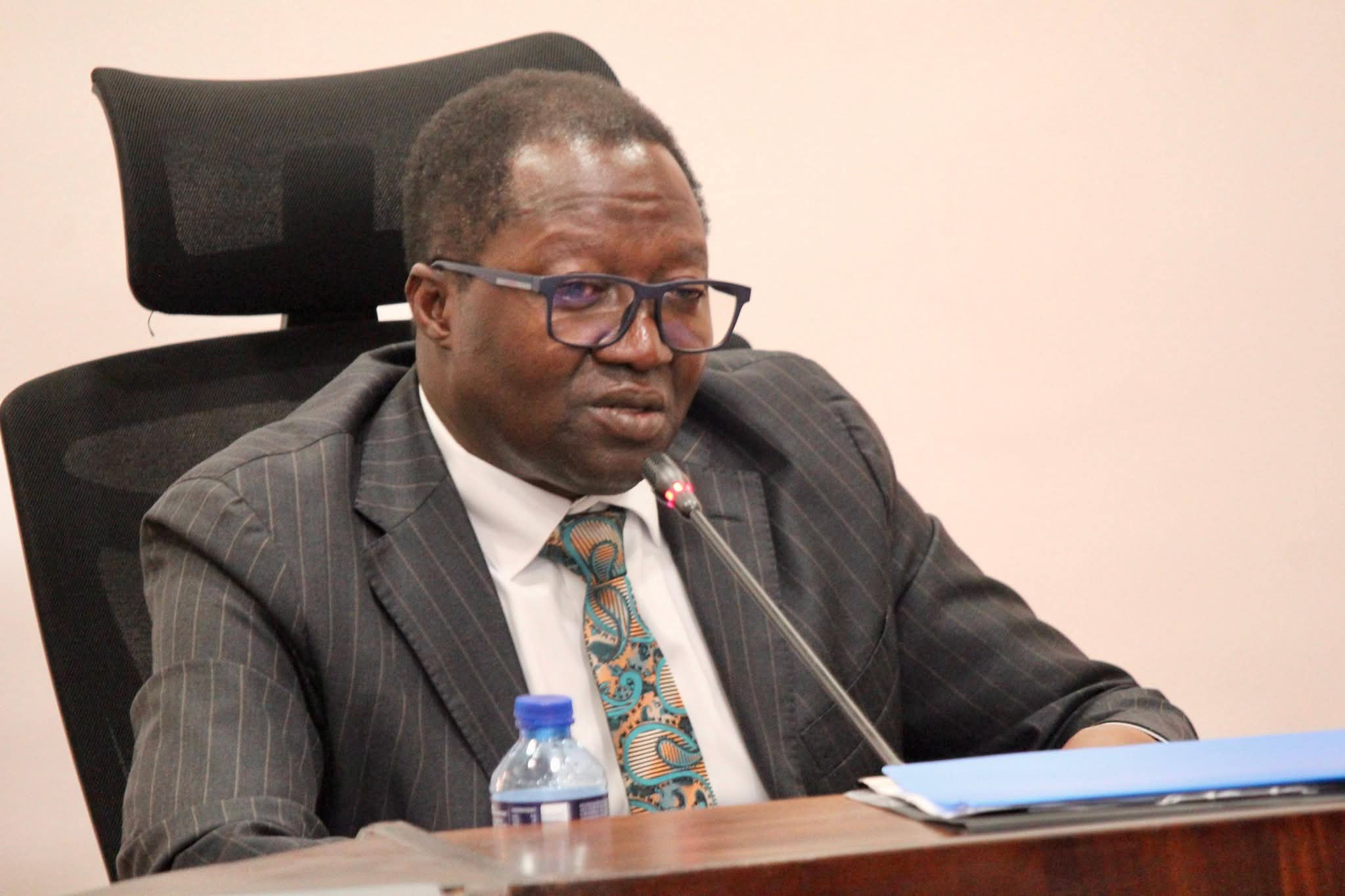
Officials from the KSB, led by chief executive officer Jude Chesire, who appeared before the MPs on Tuesday afternoon, faced tough questioning from lawmakers over the consignment.
“There is no clearance document provided in your documentation. We need to see the document that authorised movement of the sugar from the Mombasa warehouse to the Nairobi warehouse. We require answers urgently so that we can know Kenyans’ lives are safe,” committee chairperson Bernard Shinali said.
In his response, KSB CEO assured the MPs that the sugar in question had not been released to the consumer market and that it is under strict surveillance.
According to the board, the consignment was initially stored at an abandoned warehouse at the Kenya Ports Authority in Mombasa before transportation to Nairobi under the supervision of a multi-agency team.
“We hired police officers to guard the consignment already in Nairobi, and it was locked and sealed. Those are the measures that we have ensured to meet the conditions provided by MAT in actually securing this consignment,” Chesire said.
KSB director of regulation and compliance Samwel Kembo told the committee that the consignment had not been diverted into the local market.
“This sugar was never diverted or distributed in the country. The sugar was well-secured and kept intact at the Kenya Ports Authority in Mombasa in a customs bonded warehouse,” Kembo said.
He explained that customs clearance was granted on April 24, with transportation beginning on May 2 through the Standard Gauge Railway. The first batch of 19 wagons carrying 26,220 bags arrived in Nairobi on May 3.
The board said the National Treasury Cabinet Secretary John Mbadi constituted a multi-agency team in March 2026 involving the Kenya Sugar Board, Kenya Revenue Authority, Kenya Bureau of Standards, the State Department of Industry and the National Police Service to set conditions for release of the consignment and a monitoring framework to prevent diversion.
The committee, however, expressed dissatisfaction with the explanation and demanded more detailed information, including seal serial numbers, bonded warehouse details and records of the Nairobi storage facility.
Aldai MP Maryanne Keitany questioned the rationale behind moving the sugar between bonded warehouses.
“If a release letter was given, why would you move the sugar from one bonded warehouse to another bonded warehouse in Nairobi? Unless there is a diversion trick being done here,” she said.
Mathare MP Anthony Oluoch cautioned the board against misleading the country and endangering Kenyans, saying previously sugar labeled unsafe for human consumption has found its way into the the market despite similar claims of being safely secured and guarded.
The controversial consignment was imported from South Africa and arrived at the port of Mombasa in early February.
However, after its arrival, the consignment was officially flagged and placed under a multi-agency verification lock by customs and regulatory teams in March following the discovery of the unmanifested 1,481 tonne excess.
Tests done by Kebs found that it failed to meet standards for raw sugar recommending that it ought to have been subjected to further refining and not for direct consumption.