


An expert has warned that deaths as a result of air pollution are going to spiral out of hand if emissions are not tackled.
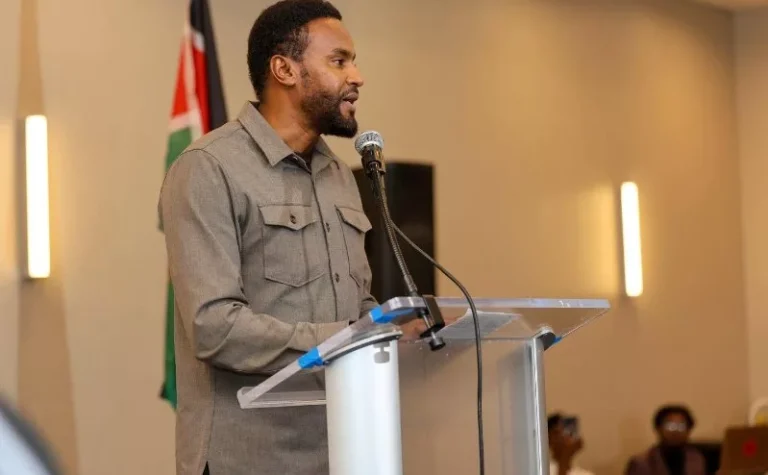
Dr Anderson Kehbila, research director for the Africa cluster lead energy and climate change at the Stockholm Environment Institute, told a Nairobi seminar on Friday that the deaths will increase if methane emissions are not tackled.
“Climate action also presents a major public health opportunity,” he said.
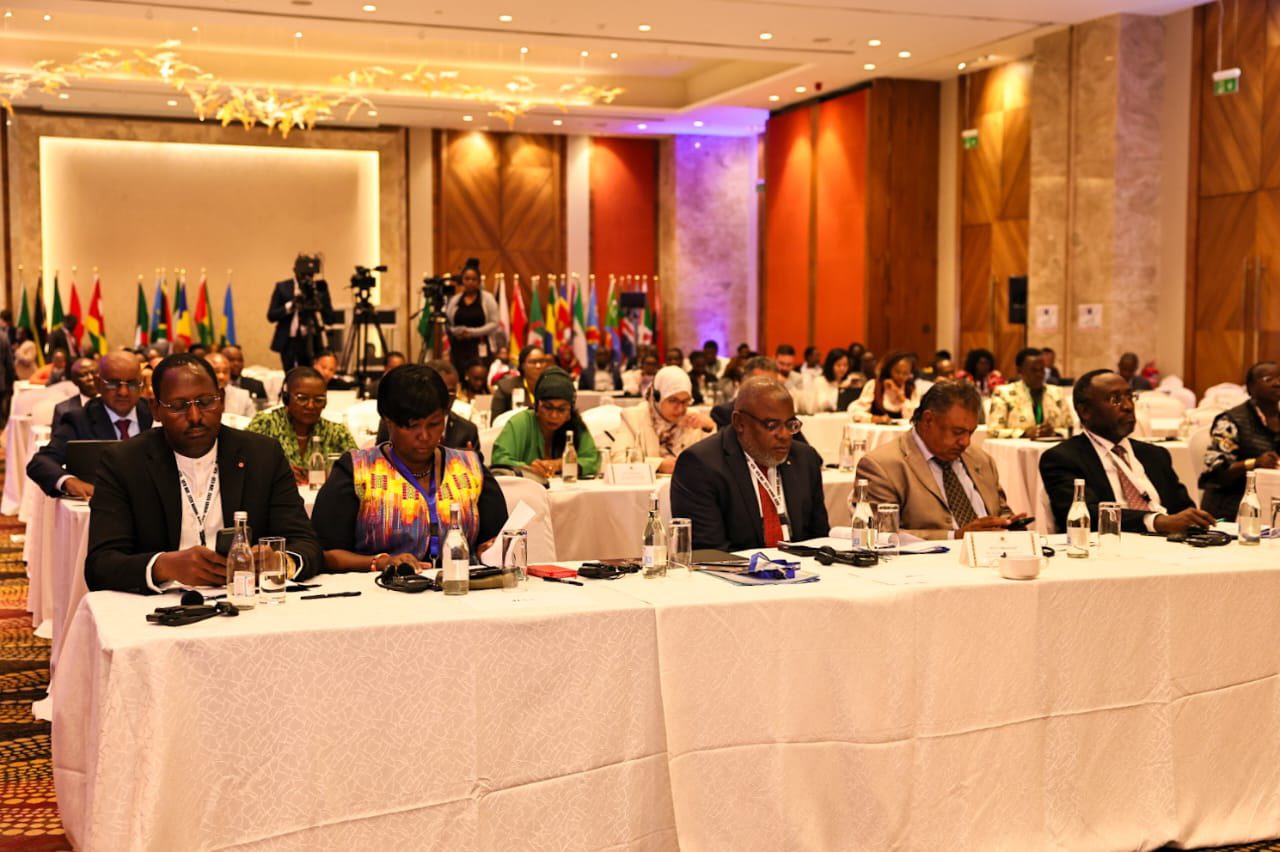
Kehbila was one of the key speakers during the opening ceremony of the Inter-Parliamentary Union’s two-day regional seminar on methane.
The seminar, convened under the theme ‘African Parliaments for Climate Action: Reducing Methane, Promoting Development’, opened officially today at Ole Sereni.
It drew MPs from across Africa, representatives of the Executive and international development partners.
Kehbila warned that without action, air pollution-related premature deaths across Africa are projected to increase from 930,000 per year by 2030 to 1.6 million per year by 2060.
“However, integrated climate and clean air measures will prevent 200,000 premature deaths by the year 2030 and 800,000 deaths by the year 2060 while improving food security and improving climate resilience,” Kehbila said.
Kenya Medical Research Institute says the country had more than 26,000 deaths in 2024 attributed to hazardous air pollution.
Kemri warns that the number could rise without interventions.
In 2016, 16,000 deaths were attributed to hazardous air pollution.
This climbed to 21,000 deaths in 2019.
During the methane seminar, experts warned that global warming will directly affect livelihoods, health, food security, economic stability and sustainable development.
They said air pollution and climate change are closely linked and often driven by the same sectors and activities.
Senate Speaker Amason Kingi said methane emissions have increasingly become a central issue in global climate discussions.
“Methane is a potent greenhouse gas released from sources such as livestock digestion, decomposing waste, manure management, rice cultivation, fossil fuel extraction and wetlands,” he said.
Kingi, in a speech read on his behalf by Senator Mohamed Faki, said although methane remains in the atmosphere for a shorter period than carbon dioxide, it is significantly more powerful in trapping heat.
Scientists estimate that methane is over 80 times more potent than carbon dioxide over a 20-year period.
This makes methane reduction one of the fastest and most effective strategies available for slowing global warming in the near term.
Kingi said methane emissions should be a matter of particular concern because many of the economies in Africa are heavily dependent on agriculture and livestock production.
“It is now a governance, economic, health and development concern that demands legislative attention, political goodwill and collective continental action.”
Across the continent, millions of households rely on livestock for food, income, transport, trade and cultural identity.
The Food and Agriculture Organisation estimates that about 55 to 65 per cent of methane emissions originating in Kenya are from livestock through enteric fermentation.
FAO also estimates that 15 to 25 per cent of methane is from waste, five to 10 per cent from manure, and less than five per cent from rice cultivation.
Senate Clerk Jeremiah Nyegenye said the seminar underscores the unique responsibility of parliaments to provide leadership.
“To give voice to the concerns of our citizens and to help chart a course towards a more resilient, inclusive and prosperous future for Africa.”
The clerk said the seminar additionally offers us an important opportunity to deepen the bonds of parliamentary fraternity among African legislatures.