


Kisumu county has launched an ambitious five-year strategic and investment plan for Lumumba Subcounty Hospital.
The county government has also opened a new paediatric ward, marking a significant step in strengthening maternal and child healthcare services.
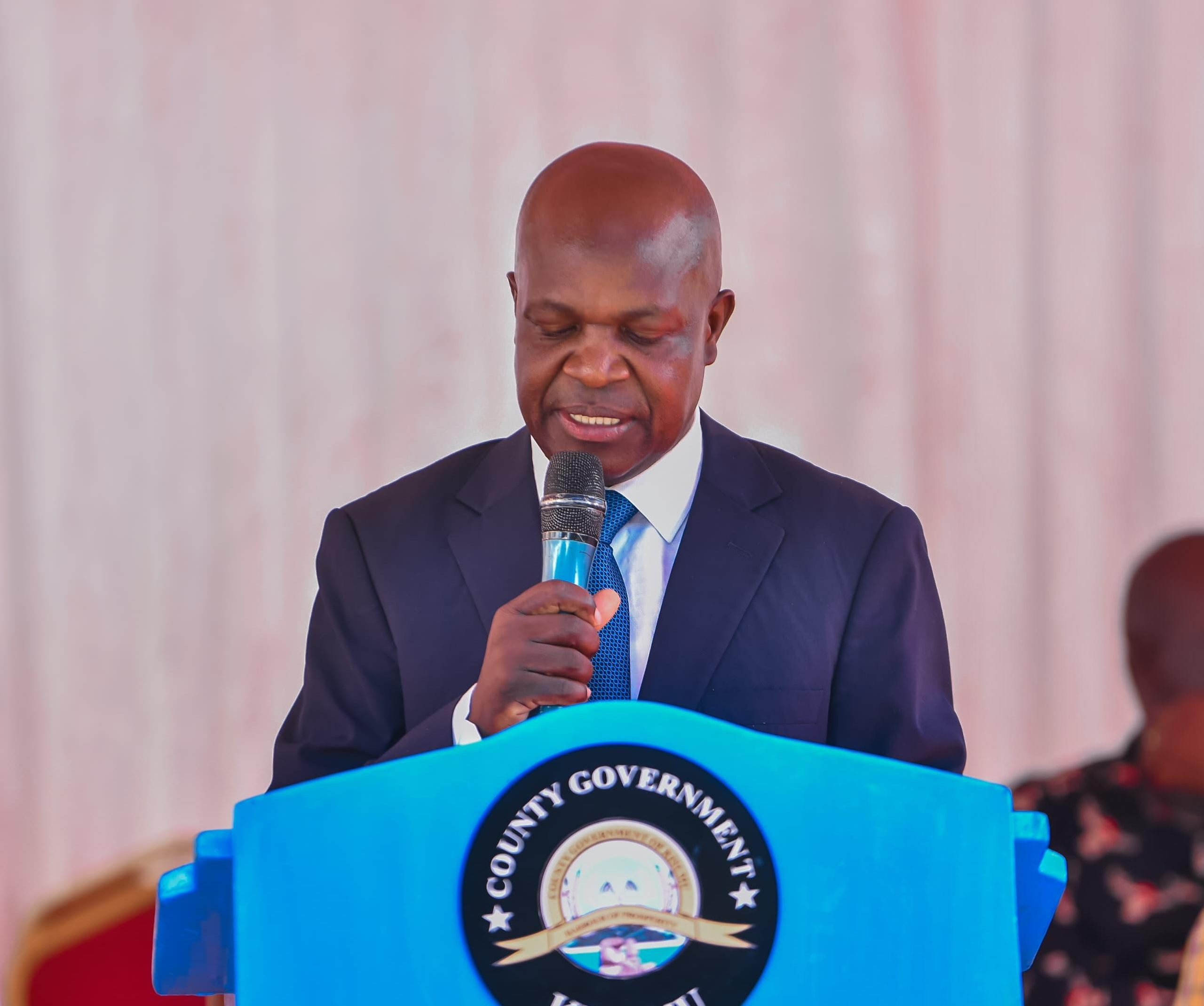
Speaking during the launch, Kisumu Deputy Governor Mathew Owili said the 2025–30 plan outlines a clear roadmap to transform the facility into a centre of excellence, particularly in maternal and child health.
The event, attended by county health officials, development partners and healthcare workers, highlighted the county’s renewed focus on expanding access to quality, people-centred healthcare.
Owili said Lumumba hospital’s journey reflects deliberate investment decisions by the county government.
Originally established as a municipal dispensary in 1966, the facility has evolved into a Level 4 hospital with key services such as radiology and emergency care.
“Today, Lumumba stands as one of the busiest public health facilities in our urban network, serving over 10,000 patients every month. This growth reflects public confidence in our healthcare workers and investments,” he said.
The deputy governor said the strategic plan is anchored on four key pillars: modern equipment and infrastructure, addressing human resource gaps, financial sustainability through the Social Health Authority and quality improvement through digital transformation.
Under the plan, the county intends to invest in advanced diagnostic equipment and expand infrastructure to support specialised services.
Owili said the hospital is being positioned to handle more complex maternal and child health cases locally, reducing the need for referrals.
He also acknowledged staffing challenges, noting that the county is working to recruit more healthcare workers to ensure adequate service delivery across all departments.
“Walls and machines do not heal people; healthcare workers do. We are committed to ensuring every ward has the personnel it needs,” he said.
On sustainability, Owili pointed to the role of the Social Health Authority in ensuring hospitals are reimbursed for services, allowing facilities to reinvest in better care and equipment.
The deputy governor further highlighted the hospital’s progress in digital health, citing the use of SafeMamaTech to track high-risk pregnancies and improve clinical decision-making.
The opening of the paediatric ward was described as a key milestone in improving access to specialised care for children within Kisumu’s urban population.
The facility will be supported by trained personnel, including a paediatric specialist and dedicated nursing teams.
Owili noted that the hospital’s strong performance in maternal and child health indicators, including high immunisation coverage and low dropout rates, demonstrates its growing role in safeguarding public health.
However, he warned the increasing urban population and demand for services pose new challenges, requiring sustained investment.
“This plan is not reacting to change; it is preparing for the future,” he said.
The county also called for stronger partnerships with development agencies, private sector players and community stakeholders to support healthcare delivery and innovation.
Owili reaffirmed the county government’s commitment to strengthening healthcare systems across all levels, from community services to referral hospitals.
“With this strategic plan, we are building a legacy for future generations. This is the true meaning of devolution—transforming lives through accessible and quality healthcare,” he said.