


Kenya could sharply reduce new HIV infections by 2030 under a new global prevention plan, but experts warn this will only happen if the country invests more in stopping infections now.
The HIV Prevention 2030 Global Access Framework, launched in March under Unaids and partners, aims to ensure that by 2030, 90 per cent of people who need HIV prevention can access effective methods.
Its goal is part of the wider Global Aids Strategy 2026–31, which seeks to drastically cut new infections worldwide.
At least 1.4 million Kenyans are living with HIV, and the country records 16,000–20,000 new infections annually, with young women and girls most affected.
HIV prevalence among adults stands at four per cent but is higher in counties around Lake Victoria.
“The HIV response is at a tipping point. If prevention is deprioritised and defunded, gains could be reversed,” Unaids warned.
About 70 per cent of HIV financing in Kenya comes from donors, many of whom are now scaling back support, making domestic investment crucial.
The framework outlines practical steps: scaling up new prevention technologies, strengthening long-term funding, and prioritising cost-effective interventions.
Long-acting prevention methods, such as twice-yearly injections of lenacapavir, are emerging as game-changers, but experts emphasise that scientific innovation alone won’t end the epidemic without strong implementation.
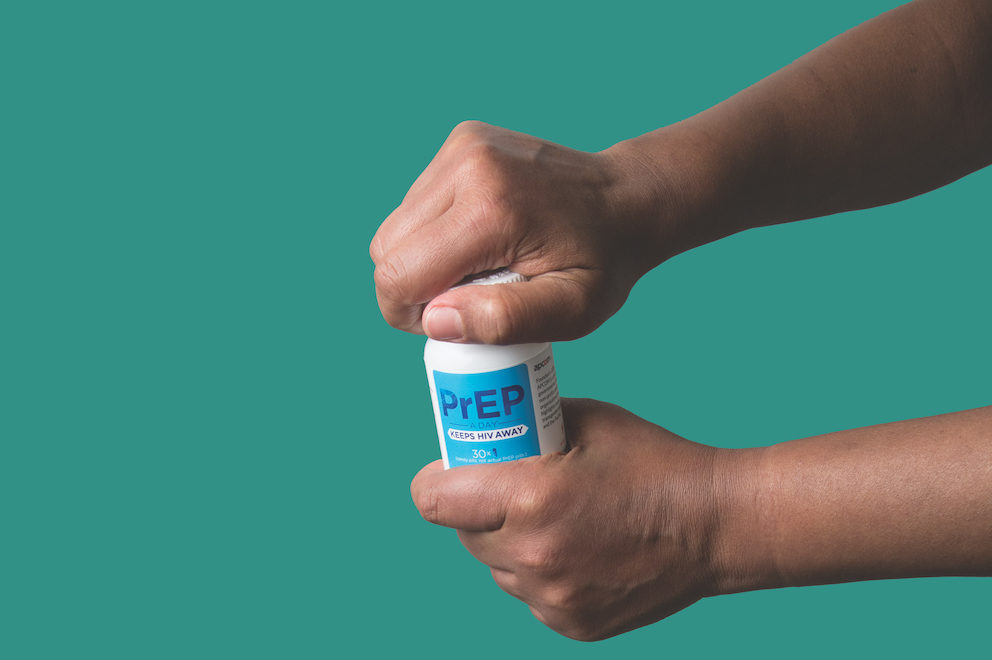
Success in Kenya will depend on targeting high-burden areas and ensuring communities can access tools such as condoms, PrEP and testing services.
“Investments must be robust and sustained, resources used effectively, and programmes grounded in evidence and human rights with communities at the centre,” Unaids deputy executive director Angeli Achrekar said.
Globally, the targets include putting 40 million people on HIV treatment, reaching 20 million with preventive drugs and distributing 20 billion condoms.
Some countries, including Rwanda, Lesotho and Malawi, have already achieved a 75 per cent reduction in new infections since 2010, showing that ambitious goals are attainable.
Kenyan experts, including Dr Nduku Kilonzo, stress that country leadership is key.
“A fit-for-purpose prevention mechanism must safeguard financing, align partners and prioritise timely decisions so resources fully impact the epidemic,” she said.
Without decisive action, experts warn, progress could stall. But with strategic investment and strong national leadership, Kenya has a real chance to turn the tide on HIV before 2030.