


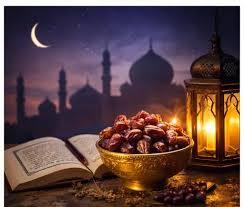
Eid ul-Fitr, often called the “Festival of Breaking the Fast,” is one of the two major holidays celebrated by Muslims worldwide. It marks the end of Ramadan, the holy month of fasting.
1. What is the significance of Eid ul-Fitr?
Eid ul-Fitr is a time of gratitude and celebration. After a month of fasting from dawn to sunset, Muslims celebrate the strength and discipline gained during Ramadan. It is a day to thank Allah for the Quran and for the spiritual growth achieved.
2. When is Eid ul-Fitr celebrated?
Because the Islamic calendar is lunar, the date changes every year in the Gregorian calendar.
-
It begins on the first day of Shawwal (the 10th month of the Islamic calendar).
-
The exact start depends on the sighting of the new crescent moon.
3. How do Muslims celebrate the day?
While traditions vary by culture, most celebrations include:
-
The Eid Prayer: A special congregational prayer held in mosques or large open fields (musallas) early in the morning.
-
Zakat al-Fitr: A mandatory act of charity given to the poor before the prayer so everyone can celebrate.
-
Feasting: Families gather for lavish meals, often featuring traditional sweets (which is why it’s sometimes called “Sweet Eid”).
-
Gifts (Eidi): Children often receive money or small gifts from elders.
-
New Clothes: It is sunnah (tradition) to wear one’s best or newest clothes.
4. What is the common greeting?
The most common greeting is “Eid Mubarak,” which translates to “Blessed Eid.” You might also hear “Eid Saeed,” meaning “Happy Eid.”
5. Common Traditions Around the World
| Region | Unique Tradition |
| Middle East | Eating dates and “Maamoul” (shortbread pastries). |
| South Asia | Preparing “Sheer Khurma” (vermicelli pudding with milk and nuts). |
| Southeast Asia | Returning to hometowns (Mudik) and eating “Ketupat” (rice cakes). |
| Turkey | Giving “Sekers” (candies) to children, known as Seker Bayrami. |
6. Is Eid ul-Fitr a public holiday?
In many Muslim-majority countries, it is a national holiday lasting three days. In Western countries, Muslims often take a day off work or school to spend time with family and attend prayers.
Note: Eid ul-Fitr is different from Eid ul-Adha, which occurs about two months later and commemorates the Prophet Ibrahim’s (Abraham) willingness to sacrifice his son.