

The A2CT project aims to fast-track the adoption of clean and modern cooking solutions while strengthening county governance, enterprise development and inclusive participation across the clean cooking value chain in the county.
The project is designed to equip counties with inclusive policies and data systems for clean cooking transition planning and support the progressive transition of at least half of trained households and public institutions from biomass fuels to modern cooking solutions.
It will also strengthen enterprise development and financial inclusion for at least 200 individuals involved in clean cooking businesses and value chains to contribute to reduced household air pollution, improved health outcomes, lower pressure on natural resources and stronger local economies.
“At the centre of today’s launch are the people of Kakamega households seeking healthier cooking solutions, entrepreneurs building clean energy businesses and communities working towards more resilient livelihoods,” SNV country director for Kenya and Burundi Rebecca Hallam said.
She said clean cooking remains one of the most pressing development and public health challenges globally.
Hallam said the project builds on more than a decade of collaboration between SNV and the Kakamega government, working with farmers, community groups, enterprises and local institutions to strengthen sustainable agriculture, renewable energy access and inclusive market systems.
The project is a multi-partner initiative to be implemented by SNV Netherlands Development Organisation, Clean Cooking Association of Kenya (CCAK) and Gamos East Africa.
It is funded by the UK Government through the British High Commission under the UK PACT (Partnering for Accelerated Climate Transitions) programme.
A similar initiative has been implemented in Meru and Taita Taveta counties since July 2025.
The project is in line with the National policy framework, including the Kenya National Cooking Transition Strategy (KNCTS 2024-30) and the Integrated National Energy Plan (INEP).
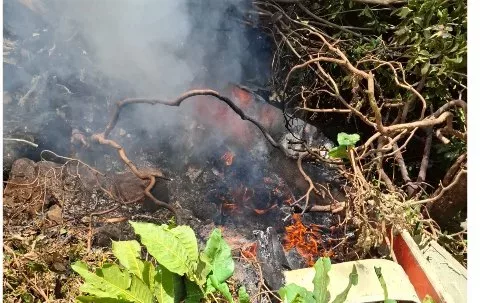
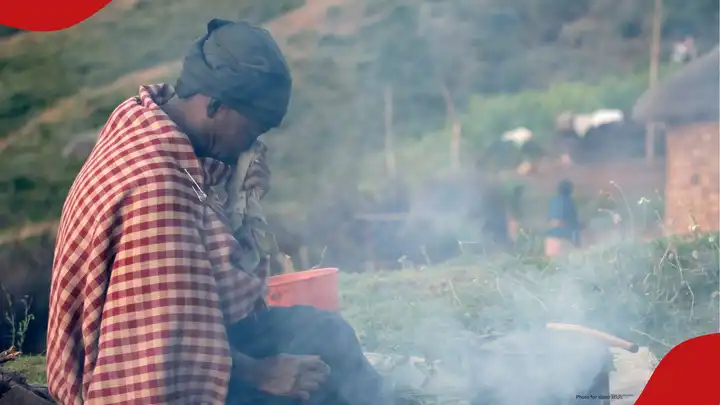
Household air pollution from traditional cooking fuels contributes to about 2.9 million premature deaths every year worldwide, disproportionately affecting women and children, according to the World Health Organisation.
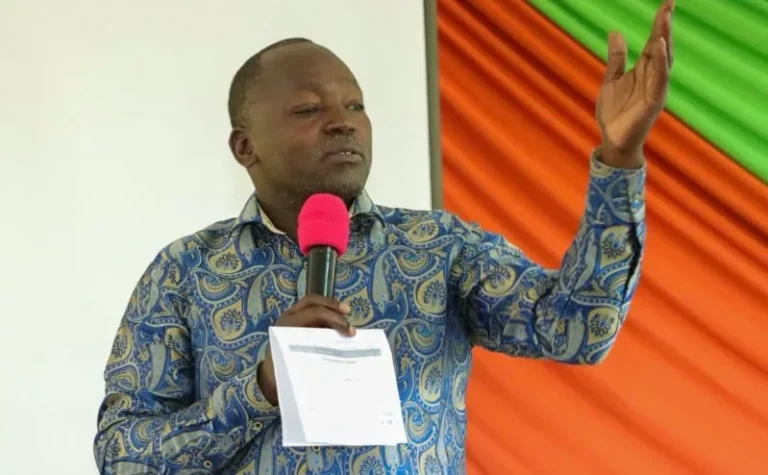
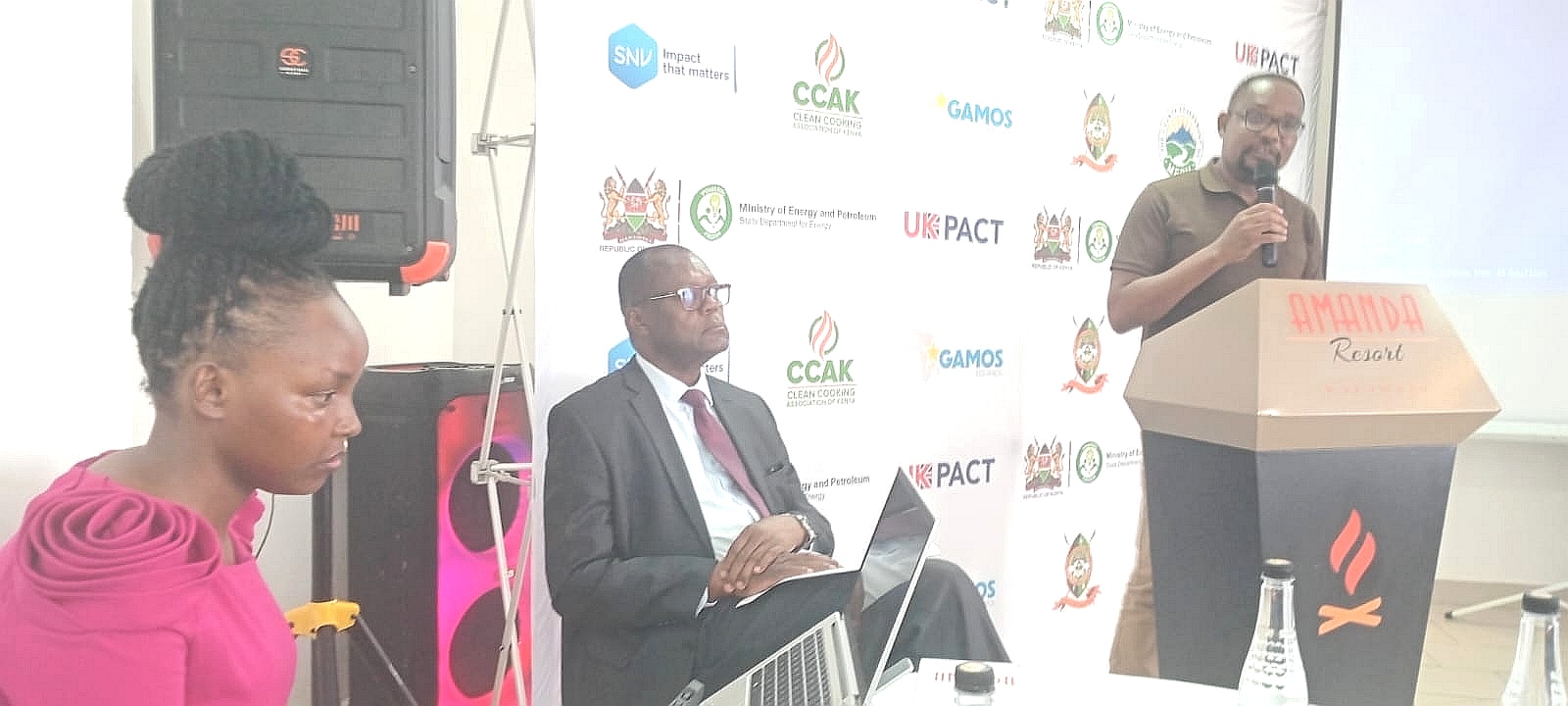
Hallam spoke during the launch of the project at a hotel in Kakamega. The launch was preceded by a training for stakeholders in the clean energy economy on the need to for Clean cooking.
CCAK national coordinator Elly Odhiambo said there is a need for county governments to develop policies on clean cooking to strengthen their actions.
“We look forward to the completion of the county energy plan and a clean cooking policy, which will give the county the muscles to ensure the adoption of clean cooking,” he said.
Taita Taveta roads, public works and energy executive and chairman of the energy caucus at the Council of Governors Martin Tairo said the initiative is changing the conversation about energy.
He said research has revealed that up to 90 per cent of energy used in cooking is wood-based, which takes a toll on already threatened forests.
“This shift in clean cooking is going to have a big impact on our economies, lifestyles, education and environment so we’re pushing this agenda throughout the country as the caucus,” Tairo said.
He said counties are working on their energy plans, adding that eight counties have completed and launched their plans and 30 are still working on their plans.
“Clean cooking and renewable energy are a big element in the plans because it’s about moving towards clean energy. It’s not a local agenda but a global one that we’re plugging in because of the key responsibility counties are given by the constitution on energy,” Tairo said.
He said counties are working towards budgeting for programmes that support clean cooking, adding that implementation of the county energy plants faced challenges stemming from inadequate resources.
Kakamega County Road, public works and energy executive Patrick Kundu said the county energy plan had been approved by the cabinet and was only waiting for approval by the county assembly.
“It outlines the available sources of clean energy and strategies on how to access and harness them by different categories of users,” he said.
The project will support county governments and local actors to build an enabling environment for clean cooking adoption through several interventions such us developing county-specific clean cooking transition policies and implementation guidelines.
Other key interventions include strengthening county capacity in data management, planning and monitoring and promoting inclusive participation in energy decision-making by women, youth and persons with disabilities.
The project will also strengthen skills development, financial literacy, and enterprise opportunities within the local clean cooking value chain, enabling artisans, small enterprises, and entrepreneurs to expand production, distribution, and maintenance of clean cooking technologies.