



Coffee farmers from Kirinyaga County have called on the government to increase allocations under the Coffee Cherry Advance Revolving Fund.
This, they say, is in order to boost production and improve farmers’ earnings.
Baragwi Coffee Cooperative Society chairperson Albert Muchiri said the current disbursements should be increased to enable more farmers to access the facility and expand coffee farming.
The chairman noted that under the current arrangement, farmers receive an initial advance of about Sh40 per kilogramme of cherry delivered to factories, with additional payments made later depending on the quality and grades of parchment coffee produced.
He, however, welcomed government interventions in the coffee sector, saying the cherry advance fund, together with other support programmes, is beginning to revive coffee farming in the region.
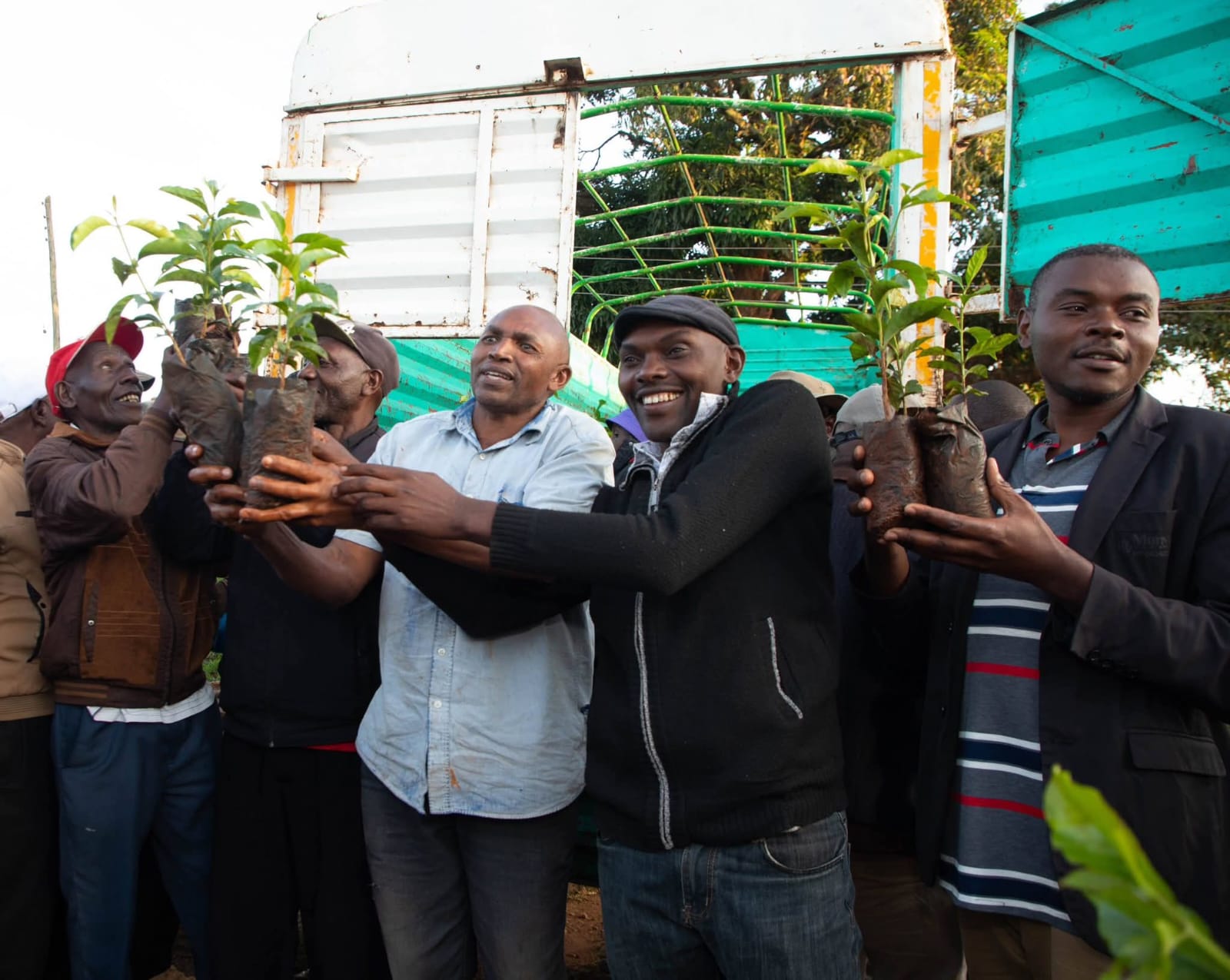
“We appreciate the government’s support through the cherry advance fund and distribution of seedlings. These initiatives support production and improve the earnings made by coffee farmers,” he said.
The Coffee Cherry Advance Revolving Fund was first introduced in 2019 as part of government reforms to revive Kenya’s coffee sector.
The initiative was initially capitalised with Sh3 billion before the government injected additional funds in 2023, raising the kitty to about Sh6.7 billion to support farmers across the country.
The facility is administered through the New KPCU and allows farmers to access low-interest advances through their cooperative societies without the need for collateral.
The funds enable farmers to meet urgent financial needs such as purchasing farm inputs, paying school fees and supporting household expenses as they wait for payments after coffee sales.
The revolving fund targets more than 700,000 smallholder coffee farmers nationwide, with hundreds of thousands already benefiting from the programme.
By 2024, over 300,000 farmers had received about Sh3.8 billion from the fund within the first months of its rollout.
Cumulative disbursements have exceeded Sh5 billion to more than 400,000 growers since the initiative began.
Muchiri said with increased allocation, farmers would access more funds and boost their farming activities without straining financially.
“Most small scale farmers struggle to cater for the daily expenses of their farms and that without support, many find their earnings dwindling due to the high cost of production,” he said.
He added that his members have already received 30,000 coffee seedlings under the Coffee Revitalisation Programme, enabling them to expand coffee acreage and replace aging coffee trees.
However, farmers said the co-operative requires about one million seedlings for more growers to benefit from the programme.
They also urged the government to ensure the seedlings distributed are suitable for different ecological zones within the county to guarantee higher yields and better resistance to pests and diseases.
Felix Mwai, a member of the National Coffee Steering Committee, encouraged farmers in the Mt Kenya region to continue embracing coffee farming and take advantage of the ongoing reforms and support programmes designed to strengthen the sector.
“With improved access to credit, farm inputs and seedlings, the country is expected to increase production and its position as a leading producer of high-quality coffee,” he said.
According to government statistics, Kenya produces an average of about 50,000 tonnes of coffee annually, with the crop remaining one of the country’s key foreign exchange earners alongside tea and horticulture.
In 2023, Kenya exported about 47,861 tonnes of coffee valued at approximately Sh32.5 billion.
Exports increased to 53,519 tonnes in 2024, generating about Sh38.4 billion in revenue due to higher global demand.
The main export destinations for Kenyan coffee include the US, Belgium, Germany, South Korea, Sweden and Australia.
Meanwhile, Kirinyaga East deputy county commissioner James Maina has raised concerns over increasing cases of coffee theft in farms and factories.
Maina warned that the government will intensify security operations to curb the vice and protect farmers from losses.
He urged farmers and factory managements to work closely with security agencies by reporting suspicious activities and strengthening surveillance at coffee collection centres.
The administrator assured farmers that the government is committed to protecting the coffee sector as part of ongoing efforts to revitalise the industry and improve farmers’ livelihoods.