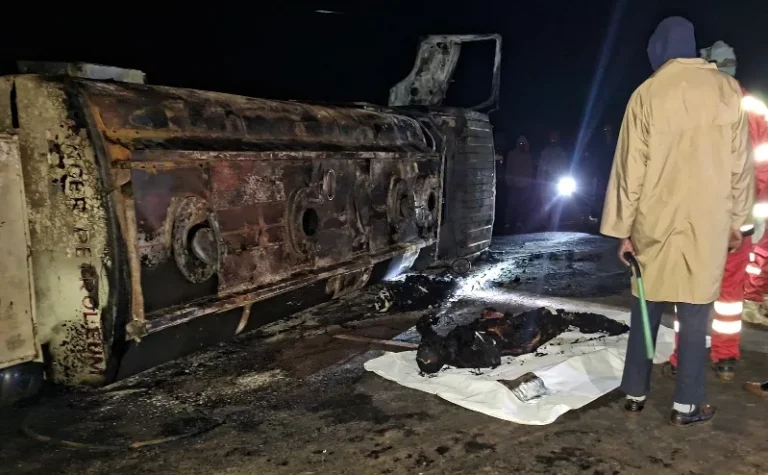



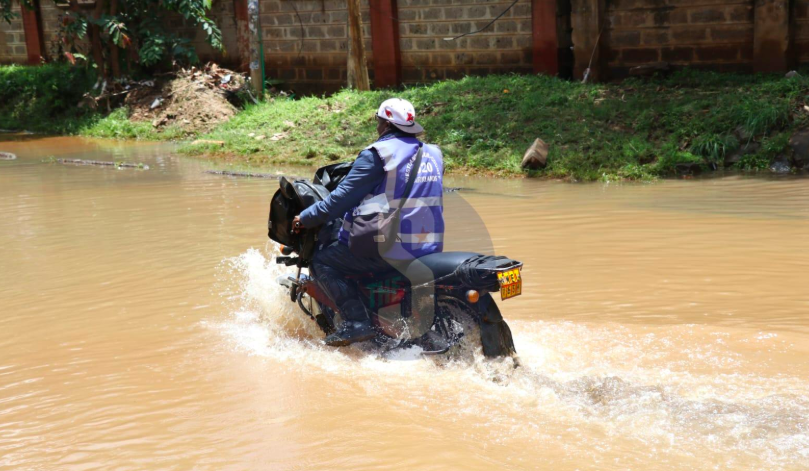
Civil society organisations have called for urgent reforms in urban planning, drainage systems and disaster preparedness following devastating floods in Nairobi.
More than 40 people have lost their lives in floods that have hit Nairobi and other parts of Kenya since last Friday.
Nairobi alone accounts for 26 fatalities, while dozens of people remain unaccounted for.
Around 50,000 residents have been displaced after floodwaters destroyed or submerged their homes.
Resilience Action Network Africa (RANA), Kenya Female Advisory Organisation, People’s Health Movement Kenya, and the Ujamaa Centre urged authorities to prioritise reforms integrating climate adaptation and resilience into infrastructure development.
They called for early-warning systems that translate into timely action to save lives.
RANA executive director Aggrey Aluso said systemic failures have exacerbated the disaster, leaving vulnerable communities to bear the brunt.
“With scientific predictive models available, governments should anticipate and prepare for such eventualities. Failure to do so shifts the burden to those least able to respond,” he said.
Aluso urged investment in resilient infrastructure to ensure no citizen is left exposed to predictable hazards.
Kenya Female Advisory Organisation executive director Easter Achieng said the tragedy underscores that traditional drainage systems and urban infrastructure can no longer handle extreme weather events.
“Strengthening urban resilience and early-warning systems is a matter of urgency,” she said.
People’s Health Movement Kenya national coordinator Dan Owala said disasters are often worsened by weak planning.
“The loss of life and property is not just due to heavy rains. It exposes long-standing flaws in urban planning, drainage and emergency preparedness,” he said.
Ujamaa Centre executive director Patrick Ochieng said inadequate oversight in physical planning has allowed unsafe developments and poor waste management to persist.
“Urban drainage requires proper engineering, regular maintenance and strict enforcement of planning regulations. Without these, disasters remain inevitable,” he said.
Seasonal flooding is not new in Nairobi or other African cities, yet authorities continue to be caught off guard, scrambling to respond to crises that better planning could have prevented.
Although Kenya has advanced climate monitoring and disaster-risk systems, rapid population growth has outpaced drainage development.
Many areas remain underserved or entirely without drainage, and riverine encroachment creates flashpoints during heavy rains.
Civil society groups stressed that the government must embed predictive risk planning into urban governance, treat drainage and stormwater infrastructure as core investments, and build fully integrated emergency response systems.
They called for communities to be placed at the centre of resilience-building, for clear accountability across risk governance.
They also called for inclusive urban planning that allows the urban poor to actively participate in shaping the cities they live in.
Meanwhile, the multi-agency team managing the Nairobi Rivers regeneration programme has announced plans to remove encroachments along riparian areas.