



Six regional development authorities could be dissolved in government plans to cut expenditure and eliminate duplication of roles between national and county governments.
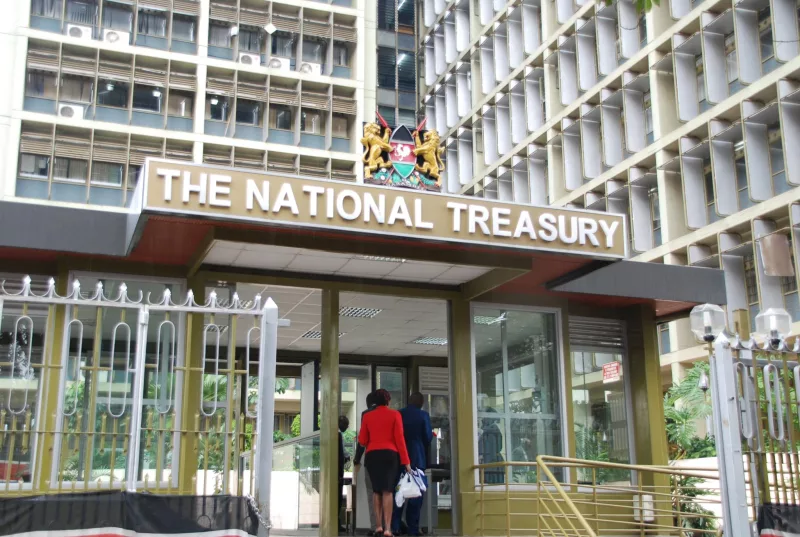
The proposed shake-up would transfer the assets, liabilities, contracts and functions of the six state agencies to the National Treasury, marking a major shift in how regional infrastructure and development projects are financed and managed.
The National Assembly’s Departmental Committee on Regional Development is scheduled to hold the second phase of public hearings on October 23 on the Regional Development Authorities Laws (Repeal) Bill, 2026, which seeks to abolish the agencies.
The Bill, sponsored by the Leader of the Majority Party Kimani Ichung’wa proposes the repeal of the laws establishing the Kerio Valley Development Authority (KVDA), Lake Basin Development Authority (LBDA) and Tana and Athi Rivers Development Authority (TARDA).
Others are Ewaso Ng’iro South Development Authority, Ewaso Ng’iro North Development Authority and Coast Development Authority (CDA).
If enacted, the legislation would transfer the rights, obligations, assets and liabilities of the six authorities to the National Treasury, effectively bringing their operations under the central government’s fiscal management framework.
“We have resolved to hold Phase II of public hearings on the Bill on Friday, October 23, 2026, in Kilifi, Kisumu and Embu. Members of the public and stakeholders are invited to make oral representations or submit written memoranda on the Bill,” said the clerk of the National Assembly Samuel Njoroge
The proposed closures come amid efforts to rationalise state corporations, reduce duplication in public administration and ease pressure on government finances.
The authorities have historically implemented regional development programmes spanning irrigation, water supply, energy and infrastructure, with their projects targeting areas beyond the administrative boundaries of individual counties.
Their dissolution will likely trigger changes in the management of ongoing projects, existing contracts and future investment programmes, particularly in regions that rely on the agencies to coordinate large-scale infrastructure development.
Recent state entities that have been put under treasury include Postal Corporation of Kenya.
The proposed reforms are anchored on the argument that some of the authorities’ functions overlap with responsibilities assigned to county governments under the devolved system of governance.
However, the restructuring will require clarity on how regional projects that span several counties will be coordinated and funded once the specialised agencies are abolished.
The authorities were established to spearhead development in their respective regions, including mobilising resources and implementing projects intended to unlock economic potential in areas that have historically lagged behind in infrastructure investment.
Their proposed dissolution would mark a departure from this model, with the Treasury expected to assume responsibility for the agencies’ assets, liabilities and mandates under the Bill.