

Kenyan households and businesses face renewed financial pressure as rising fuel prices, extreme weather predictions and political activity threaten to drive up the cost of living in the coming months.
The latest increase in petroleum prices is already prompting warnings from transport operators and manufacturers, raising the prospect of higher fares, production costs and prices of essential goods.
This is coming at a time when many households are struggling with stagnant incomes and shrinking purchasing power.
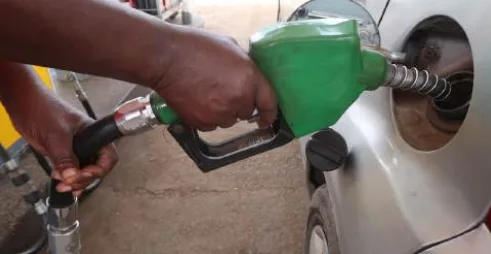
The Energy and Petroleum Regulatory Authority (EPRA) on Wednesday raised the maximum pump prices of super petrol, diesel and kerosene by Sh12.93, Sh9.90 and Sh28.49 per litre, respectively, for the October 15 to November 14 pricing cycle.
A litre of super petrol in Nairobi now costs Sh226.96, diesel Sh227.76 and kerosene Sh219.87, further squeezing motorists, public transport operators and households that rely on kerosene for cooking and lighting.
The increases come as global oil markets grapple with escalating tensions in the Middle East, exposing Kenya’s vulnerability as a net importer of refined petroleum products.
The beginning of winter in Europe and other Western markets could add to demand for diesel and kerosene, potentially prolonging pressure on international prices.
EPRA Director-General Edward Kinyua said September recorded the highest fuel import costs since the Middle East crisis began.
The average landed cost of imported super petrol increased by 11.81 per cent, from $874.26 per cubic metre in August to $977.55 in September, while diesel costs rose by 11.2 per cent.
“The government further reduced the value added tax of super petrol, diesel and kerosene from 16 per cent to 8 per cent to cushion consumers from the adverse effects of the spike in international prices,” Kinyua said.
He added that international super petrol prices had climbed to about $1,300 per metric tonne, from approximately $600 when the crisis began, illustrating the scale of the external shock confronting fuel-importing economies.
“September has been the worst month ever since this crisis broke,” Kinyua said.
The latest increase, however, threatens to spread beyond fuel stations, with transport operators warning that they may have little room to absorb the additional costs.
On Thursday, the Matatu Owners Association (MOA) called on President William Ruto to intervene, warning that operators could be forced to pass the increase on to commuters.
Association president Albert Karakacha said the government had assured transport stakeholders during a meeting in Mombasa that diesel prices would be protected against arbitrary increases.
“President William Ruto assured us that diesel, which is the backbone of public transport, would be protected from arbitrary increases. Today, diesel is up by Sh9.90 per litre. That promise has been broken. What are we supposed to tell our members?” he said.
Karakacha said operators were already contending with rising maintenance expenses, insurance premiums and spare-parts prices.
He cited the cost of a tyre, which he said had risen from Sh25,000 to between Sh38,000 and Sh45,000, while comprehensive insurance cover had increased from Sh180,000 to Sh250,000.
Higher fares would compound the pressure on workers who depend on public transport to reach their jobs, while operators who maintain fares risk lower margins as fuel and maintenance expenses climb.
Manufacturers are also bracing for higher costs, with industry players warning that production expenses could rise by more than 10 per cent.
A member of the Kenya Association of Manufacturers, who requested anonymity, told The Star that companies were awaiting government intervention before deciding how to respond.
The manufacturers’ concerns reflect the wider economic consequences of fuel inflation.
Diesel powers much of the country’s freight and logistics network, meaning increases can raise the cost of moving agricultural produce, construction materials and finished goods.
Industry players have also questioned the domestic tax burden on petroleum products, arguing that taxes and levies account for a substantial share of the pump price.
The final retail price incorporates the cost of imported fuel, freight and insurance, distribution and storage expenses, oil marketing margins, regulatory charges and government taxes.
The tax debate has gained urgency following Parliament’s passage of the Tax Laws (Amendment) Bill, 2026, which seeks to maintain VAT on petroleum products at eight per cent, half the standard rate of 16 per cent, for another 90 days, with a possible further extension.
Majority Leader Kimani Ichung’wah told MPs the extension was necessary in the hope that the conflict in the Middle East would end.
Finance and National Planning Committee chair Kimani Kuria said the relief had cost the government approximately Sh54 billion in forgone revenue over six months, underscoring the difficult balance between cushioning consumers and protecting public finances.
The pressure is already evident in household budgets.
James Mugwe, a bodaboda operator in Westlands, said his earnings had deteriorated as fuel prices rose.
“Jobs have shrunk. Incomes too. The situation is getting out of hand. I have no choice but to relocate upcountry,” he said.
Mugwe said his profit had fallen from about Sh200 per litre of petrol to less than Sh25, making the business increasingly difficult to sustain.
Miruam Muluka, who commutes daily from Kitengela to Westlands for her receptionist job, is also considering quitting because of the rising cost of travel.
“High fuel prices mean even higher transport costs. I already operate at a loss. How can I budget my Sh25,000 salary with all these taxes and high commuter costs?” she said.
The danger is that these pressures will coincide with adverse climatic conditions that could disrupt food production and distribution.
Kenya’s Meteorological Department has warned of a likely El Niño signal towards the end of 2026, with the October-to-December rainy season potentially bringing enhanced rainfall and flooding in vulnerable areas.
The risks are particularly concerning given the existing inflation burden.
The Kenya National Bureau of Statistics reported annual inflation of 6.6 per cent in August, with food prices rising by nine per cent and transport costs by 15.7 per cent over the year.
Housing, water, electricity, gas and other fuels recorded inflation of 3.6 per cent.
The emerging political contest ahead of the 2027 General Election adds another layer of uncertainty.