

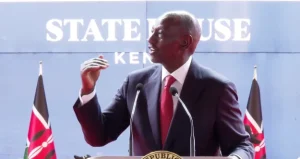
President William Ruto is expected to chair a high-level meeting on fuel prices upon his return from an official visit to Azerbaijan.
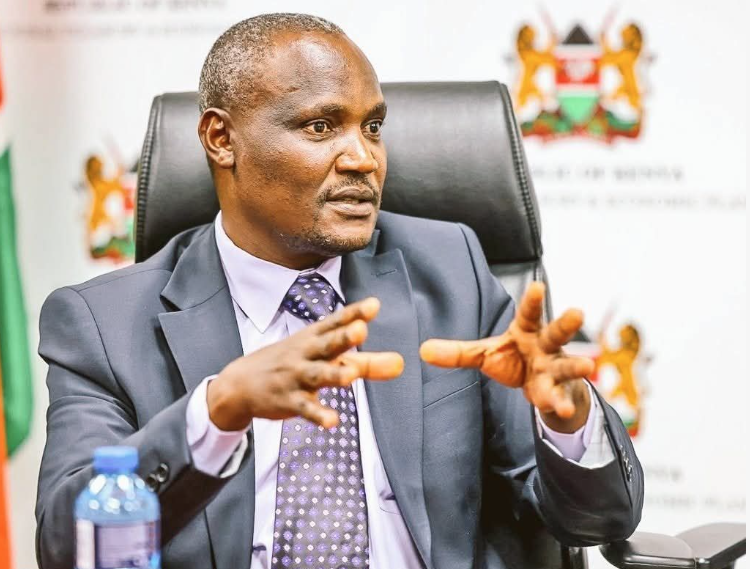
Speaking on Monday, Treasury CS John Mbadi said the government is considering fresh measures to cushion Kenyans from the impact of rising fuel prices.
“We can only hope that this war will end, but even as we hope, we must make certain decisions. I am sure the government will sit again once the President returns to assess what more can be done,” Mbadi said.
“If we were to leave the prices without any intervention, diesel today would be costing not less than Sh35 more, and petrol would be costing over Sh70 more.”
He further said that the matatu strike was uncalled for.
“In my view, the matatu strike is completely uncalled for, even though the prices of fuel have gone up. My concern is that we are trying to solve a global problem by applying domestic means, which is not appropriate,” he said.
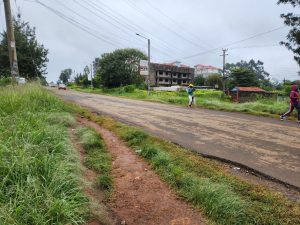
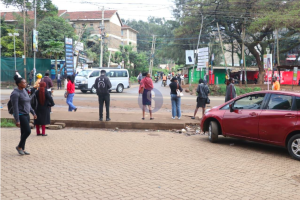
Mbadi’s remarks came even after thousands of Kenyans were on Monday morning forced to walk to work after a nationwide matatu strike paralysed public transport across major towns and cities, with operators protesting the sharp rise in fuel prices announced last week.
The disruption, which began at midnight on Sunday, saw most matatus remain parked in depots and residential areas as transport operators, private motorists and ride-hailing drivers joined what organisers described as “the mother of all strikes” in Kenya’s transport sector history.
As the shutdown took effect, the National Police Service moved to assure the public of safety and order, warning against disruption and unlawful conduct during the demonstrations.
In a statement issued by NPS spokesperson Muchiri Nyaga, the police said security measures had been enhanced across the country following reports of the planned strike.
“The NPS wishes to assure Kenyans of their security as they go about their duties. Security measures have been enhanced, and any disruptive conduct will be dealt with firmly and in accordance with the law,” the statement said.
In several estates in Nairobi, stranded commuters were seen forming long queues from as early as dawn while others opted to walk for kilometres into the city centre.
On routes where a few matatus were still operating, commuters had to contend with paying nearly double the normal fare.
Even then, some passengers were forced to complete their journeys on foot after drivers and conductors declined to enter certain areas for fear of confrontation from striking operators.
The strike follows the latest fuel price review announced by the Energy and Petroleum Regulatory Authority on May 14.
Under the new review, the price of Super Petrol increased by Sh16.65 per litre while Diesel rose by Sh46.29 per litre. Kerosene prices remained unchanged.
Following the adjustments, Super Petrol in Nairobi now retails at Sh214.25 per litre, Diesel at Sh242.92 and Kerosene at Sh152.78 until June 14.
Motorists and transport operators have termed the increases excessive and unreasonable, arguing that Kenya’s fuel prices remain significantly higher than those in some neighbouring and landlocked countries despite fuel imports entering the region through the Port of Mombasa.