

Commuters across Nairobi and its surrounding areas were left stranded on Monday morning after a matatu strike brought transport services to a near standstill, disrupting movement to workplaces, schools and businesses.
By as early as 6am, several bus stages in the city centre that are usually packed with public service vehicles remained unusually quiet, with only a handful of private cars and boda bodas operating.
Long queues formed at major pickup points as frustrated passengers waited in vain for matatus that never arrived.
The strike, organised by matatu operators and drivers, was reportedly triggered by concerns over increased fuel prices.
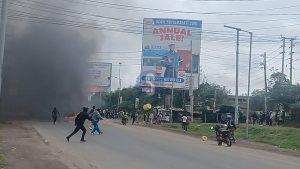
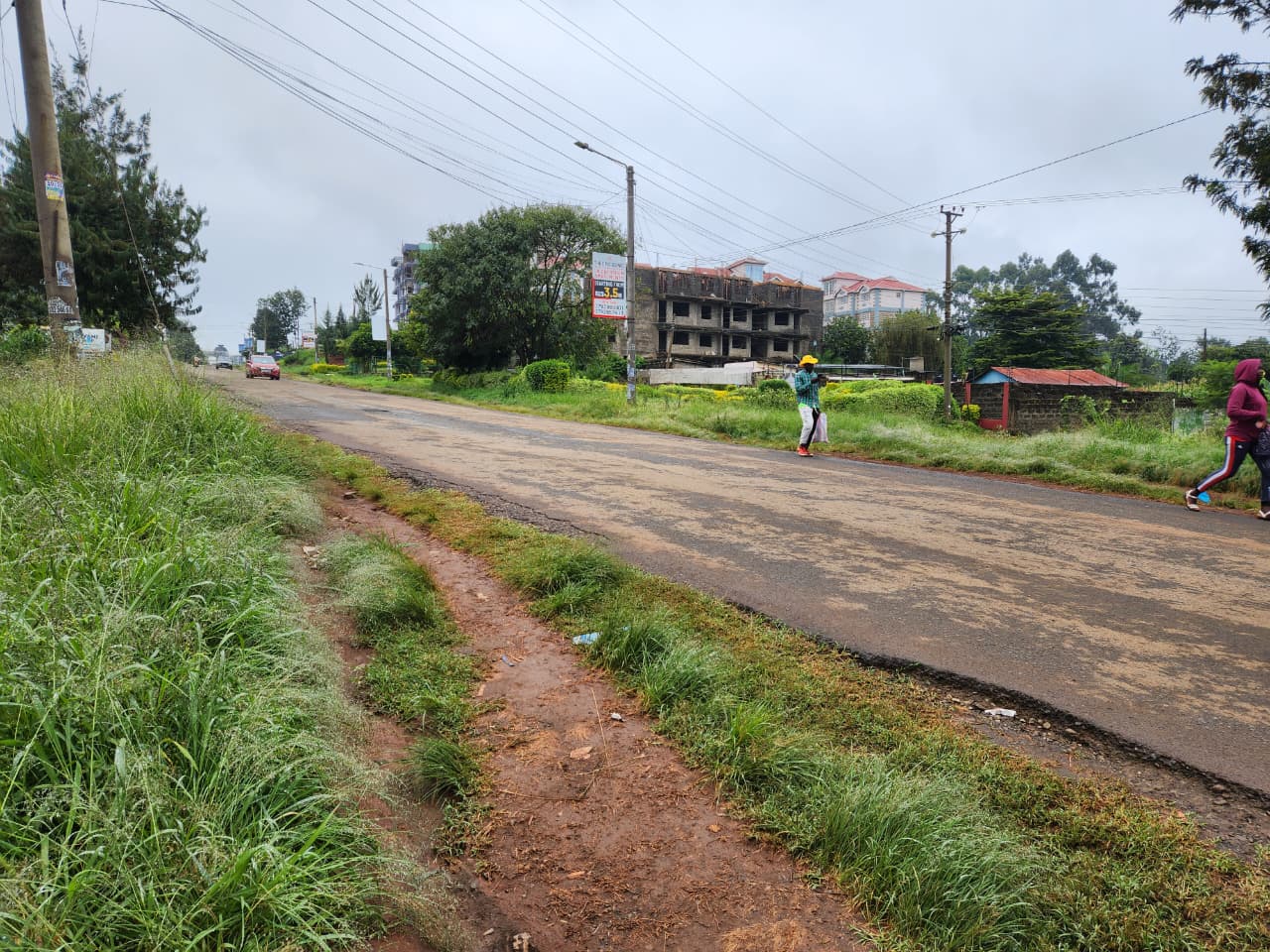
The effects of the strike were also evident in areas outside the city centre, including Lower Kabete, where roads that are usually busy with public service vehicles remained largely empty during the morning rush hour.
A spot check along the Lower Kabete road showed only a few private vehicles passing by as commuters waited by the roadside, hoping to find alternative means of transport.
At Karen shopping centre stage, which is always one of Nairobi’s busiest transport terminals, could be seen empty as well while others attempted to negotiate with boda boda riders for alternative transport.
Fares for motorcycles and taxis shot up significantly as demand increased.
Some businesses also reported delays in operations after employees failed to report to work on time as you could also see most still closed.
Ride-hailing services experienced increased bookings, with some users complaining about inflated prices and long waiting times.
For many Nairobi residents, the strike served as yet another reminder of how heavily the city relies on public transport to keep daily life moving.
This comes after matatu operators last week announced a nationwide strike set to begin on Monday, alongside a 50 per cent increase in fares, in protest against the recent rise in fuel prices.
Matatu Owners Association, led by chairman Albert Karakacha, said the industry had been pushed to the edge by rising operational costs, warning that public transport will grind to a halt unless the government responds to their concerns.
“On Monday, there will be strictly no movement of any vehicles; all the roads will be blocked until the government listens to our cry because we have been promised, but everything we are promised has not come to fulfilment,” said Karakacha.