



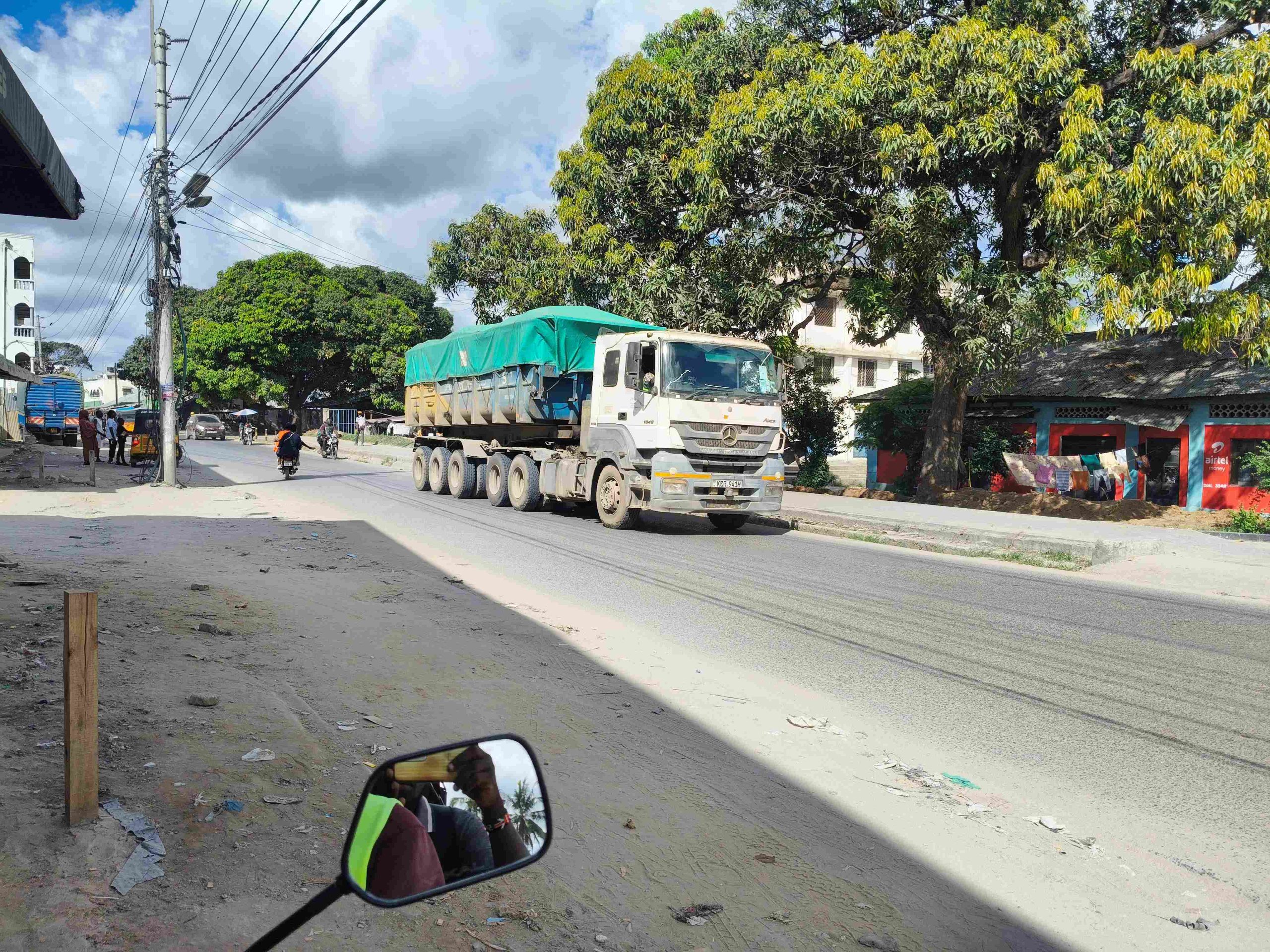
The cost of moving goods and people across Kenya is set for a sharp upward trajectory following a massive spike in diesel prices that has sent shockwaves through the transport sector.
The Kenya Transporters Association (KTA) has warned of imminent hikes in transport charges in an advisory issued on April 14, KTA said diesel prices have jumped by Sh40 per litre, rising from Sh166 to Sh206 — a steep 24.5 per cent increase.
The surge follows the latest fuel price review by the Energy and Petroleum Regulatory Authority, which has in recent months adjusted pump prices amid global oil market pressures and currency fluctuations.
In its latest review released on Tuesday, April 14, EPRA increased the price of super petrol by Sh28.69 per litre and diesel by Sh40.30 per litre, while kerosene prices remained unchanged, easing only limited pressure on households.
Following the adjustment, Super Petrol, diesel, and Kerosene will now retail at Sh206.97, Sh206.84, and Sh152.78 per litre, respectively. These prices will remain in effect from April 15 to May 14, 2026.
KTA chairman Newton Wang’oo said the increase will have a direct and significant impact on the cost of doing business in the transport sector, particularly road freight.
“Fuel constitutes the single largest cost component in road freight transport, accounting for approximately 55 per cent of total operating costs,” the association said.
Using its internal cost impact model, KTA estimates that the latest fuel hike will push overall transport operating costs up by between 13 and 14 per cent. The association noted that such a rise cannot be absorbed by transporters without adjustments to pricing.
“Such a substantial rise in input costs cannot be absorbed sustainably. Members must immediately review their cost structures and adjust transport rates accordingly,” the advisory stated.
The warning signals likely increase in the cost of moving goods across the country, a development expected to ripple through the economy and drive up prices of essential commodities.
Transporters have also been urged to engage their customers and contractual partners promptly, explaining the basis of the adjustments to ensure transparency and maintain business continuity.
The latest diesel price hike adds to the growing burden on businesses and households already grappling with a high cost of living. Fuel price changes in Kenya often have a direct impact on transport costs, which in turn influence the prices of food, construction materials and other basic goods.
KTA said it will continue to monitor developments in fuel pricing, reaffirming its commitment to protecting the interests of transporters across Kenya and the wider region.