


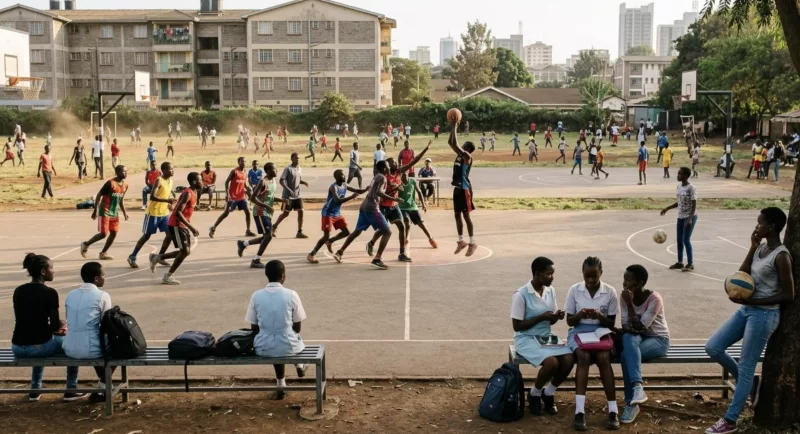
Girls are falling further behind boys in physical activity, with more than one in four adolescent girls worldwide reporting no day of recommended exercise in the previous week, according to a new World Health Organization (WHO) report.
According to the report released on November 4, the WHO says that 28 per cent of girls aged 11 to 17 did not achieve at least 60 minutes of moderate-to-vigorous physical activity on any day in the previous week, compared with 22 per cent of boys.
“Only 11 per cent of girls reported being physically active for at least 60 minutes every day, against 17 per cent of boys, highlighting a persistent gender gap in opportunities for young people to exercise,” the report indicated.
The report, titled A Generation Missing Out: Global Trends in Adolescent Physical Activity, 2010–2025, found that boys were more physically active than girls in every WHO region, with girls lagging behind in almost every country.
WHO said the disparity reflected unequal opportunities and persistent social, cultural and environmental barriers rather than differences in girls’ interest or ability to participate in physical activity.
“The findings raise concerns about the long-term consequences for girls’ health, particularly as adolescence is a critical period for establishing habits that can continue into adulthood,” WHO noted.
The report warns that if girls are not supported to remain physically active during these formative years, inequalities in participation and health are likely to persist into adulthood.
According to WHO, several factors shape adolescents’ opportunities to participate in physical activity, including the safety of public spaces, access to sports facilities, social expectations and cultural norms.
For girls, harmful stereotypes can discourage participation in sport and active recreation, while unsafe streets, public spaces and transport systems can limit their ability to walk, cycle or engage in outdoor activities.
“Limited access to affordable and accessible community facilities and programmes that respond to girls’ needs and interests can further widen the gap,” it said.
WHO is calling on governments to address these barriers by improving the safety of public spaces and transport systems, expanding access to sports facilities and programmes, and challenging social norms that discourage girls from participating in physical activity.
It also recommends increasing the visibility of girls in sport through media coverage and investing in female leadership, mentorship and role models.
The gender gap comes against a backdrop of limited global progress in adolescent physical activity over the past 15 years.
The WHO report, based on 389 population-based surveys involving more than 3.2 million adolescents across 140 countries and territories, found that one in four adolescents reported no day in the previous week when they achieved at least 60 minutes of moderate-to-vigorous physical activity.
On average, adolescents reported just 2.7 active days per week, while only 14 per cent met the daily activity benchmark throughout the week.
The findings also show that 86 per cent of adolescents were not active for at least 60 minutes every day in 2025, a proportion that has remained unchanged since 2010.
No country is currently on track to achieve the global target of reducing physical inactivity by 15 per cent by 2030, compared with the 2010 baseline.
WHO Director-General Dr Tedros Adhanom Ghebreyesus said the world had made little progress in getting young people moving, with girls disproportionately affected.
“For 15 years, the world has made almost no progress in getting young people moving, and girls are being left furthest behind,” he said.
“The answer is not to tell adolescents to try harder. It is to build schools, streets and communities where moving, playing and being active is safe, easy and normal.”
Physical inactivity is a major risk factor for heart disease, type 2 diabetes and some cancers. Regular physical activity also supports mental well-being, learning, social connection and healthy development.
WHO is calling for coordinated action across education, transport, urban planning, sport and health sectors to create environments where adolescents can safely and regularly participate in physical activity.
It recommends strengthening physical education in schools, investing in safe walking and cycling routes, and creating accessible community spaces where young people can play and exercise.