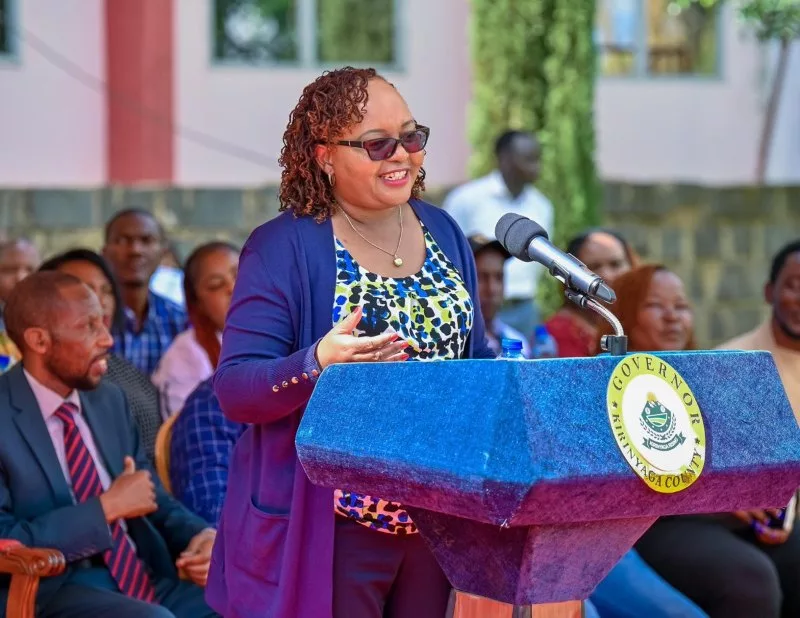
Kirinyaga Governor Anne Waiguru has said Mt Kenya risks remaining outside the country’s top leadership for more than three decades, citing President William Ruto’s political numbers and divisions within the opposition.
Waiguru said opposition leaders were unlikely to unite behind a single presidential candidate ahead of the 2027 General Election, arguing that competing ambitions could weaken their chances of challenging Ruto.
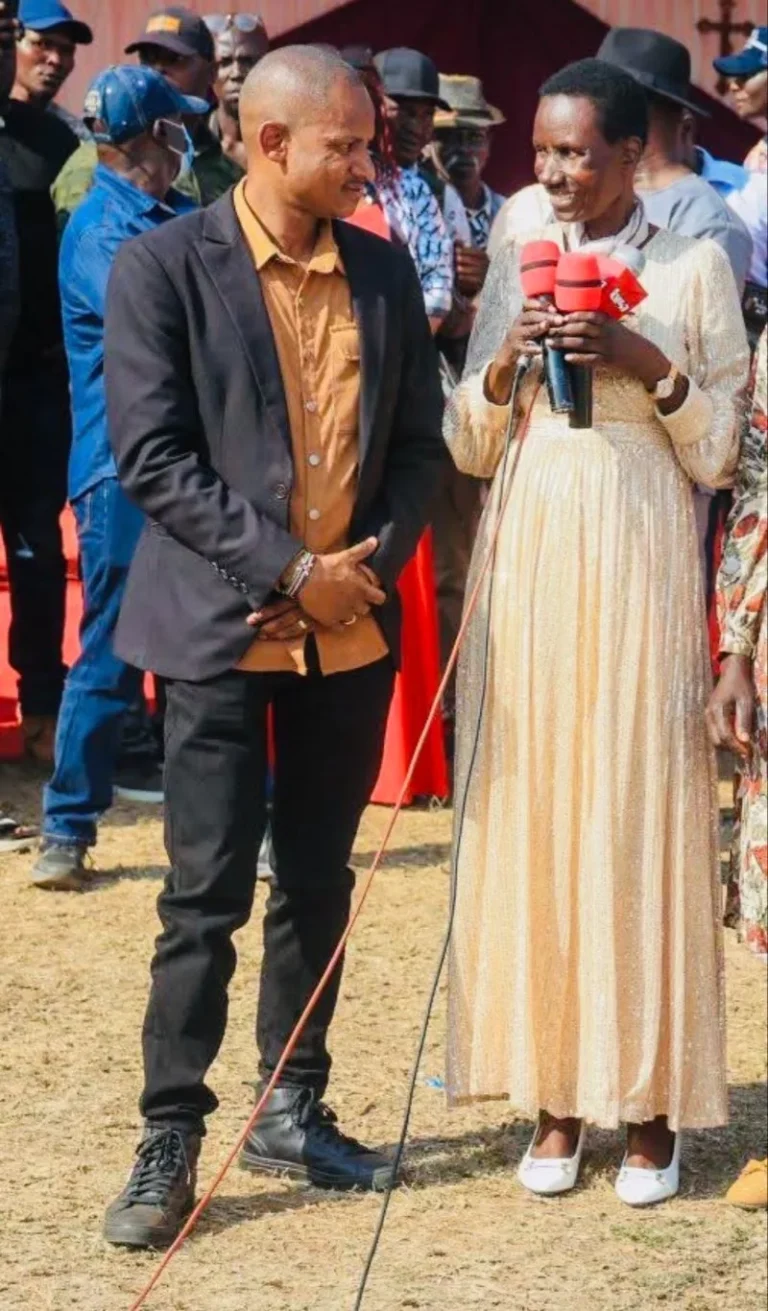
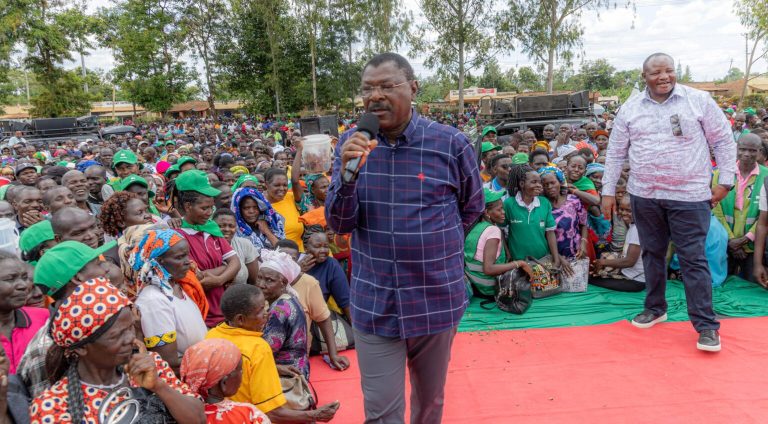
Speaking while meeting rice farmers and local leaders at Makutano in Kirinyaga County, the governor said Mt Kenya leaders needed to plan their political future carefully instead of relying on an opposition coalition whose unity she questioned.
“I can tell you without fear or favour that, for the next 30 years, Mt Kenya will not be in leadership. It is a fact,” she said.
Waiguru said her assessment of the 47 counties showed Ruto had considerable political support. She claimed that 35 counties were aligned with him, excluding Mt Kenya and Ukambani, while Nairobi remained politically mixed.
She also cited divisions in the opposition, saying leaders from different political camps were pursuing presidential ambitions that could make it difficult to settle on a single candidate.
“You do not need science to know that the opposition will not unite,” she said.
Waiguru claimed that leaders from the Eastern region had indicated they could support Ruto if Wiper leader Kalonzo Musyoka was not given the presidential ticket. She added that some leaders from Nyanza had backed former Interior Cabinet Secretary Fred Matiang’i and were keen on having him lead the opposition.
Waiguru also cited Kalonzo’s recent description of Ruto as “my brother in Christ” as a sign of the political manoeuvres taking place ahead of the election.
Kalonzo later defended the remark, saying it reflected Christian values and did not mean he supported Ruto or his administration. He added that he would continue opposing the President politically.
The governor said her political approach was based on long-term planning and strategic positioning rather than frequent public declarations.
She said she was positioning herself within the political establishment around Ruto and did not intend to keep moving between competing political camps.
“I am preparing to go to that negotiating table, and you can already see me there. I cannot keep leaving and running around, not knowing where we are going. The leadership of a country is planned over many years,” she said.
Waiguru cited her political journey, including her election and re-election as Kirinyaga governor and her subsequent election as Council of Governors chairperson, as evidence of the importance of planning.
She also pointed to her presence alongside the President at official engagements, including international meetings, saying such interactions formed part of her political strategy.
“When you see the President somewhere, I am there. When he attends the United Nations, I am there. That is called positioning yourself. It is not about constantly calling press conferences. A press conference will not take me anywhere,” she said.