


Kenya’s growing ranks of dollar-millionaires face poor succession planning which blurs family and business finances amid unprepared heirs, according to experts
As the country’s wealthy population expands, wealth managers are warning that accumulating assets is only half the challenge.
Without deliberate structures to preserve, manage and transfer wealth, fortunes built over decades can quickly unravel when founders die, businesses change hands or family interests collide.
Kenya has an estimated 7,000 dollar-millionaires, according to data cited at the launch, while Africa’s millionaire population is projected to rise sharply over the next decade.
Ayesha Abbas, managing director and head of affluent and wealth, Europe, the Middle East, and Africa and UAE at Standard Chartered, said wealthy families were increasingly thinking beyond simply transferring money and property to their children.
“Clients are now thinking about their next generation, how best to pass on their wealth as well as their legacy,” Abbas said on Tuesday during the launch of Standard Chartered Funds VCC – Signature Select
The new investment platform targets eligible sophisticated investors with access to professionally managed global investment strategies.
The challenge, she noted, is that the next generation is often very different from the founders who created the wealth.
Children may choose careers outside the family business, establish their own ventures, live abroad or pursue philanthropy rather than automatically taking over family enterprises.
This makes succession planning a strategic exercise rather than an event triggered by death.
One of the biggest mistakes families make is having no formal succession roadmap. Industry estimates indicate that about 45 per cent of Kenyan family businesses operate without a formal transition plan.
Even where wills exist, wealth advisers caution that a basic will may not be sufficient to preserve a complex family enterprise.
A will can determine who receives assets, but does not necessarily establish how a business should be governed, who makes strategic decisions, how ownership should be structured or how disputes between beneficiaries should be handled.
Another common mistake is mixing personal and business assets.
When company cash is routinely used to finance private lifestyles, or family assets are intertwined with business finances, the distinction between ownership and management can become blurred.
This can expose businesses to financial, legal and family disputes while making it harder for the next generation to understand what actually belongs to the enterprise and what belongs to individual family members.
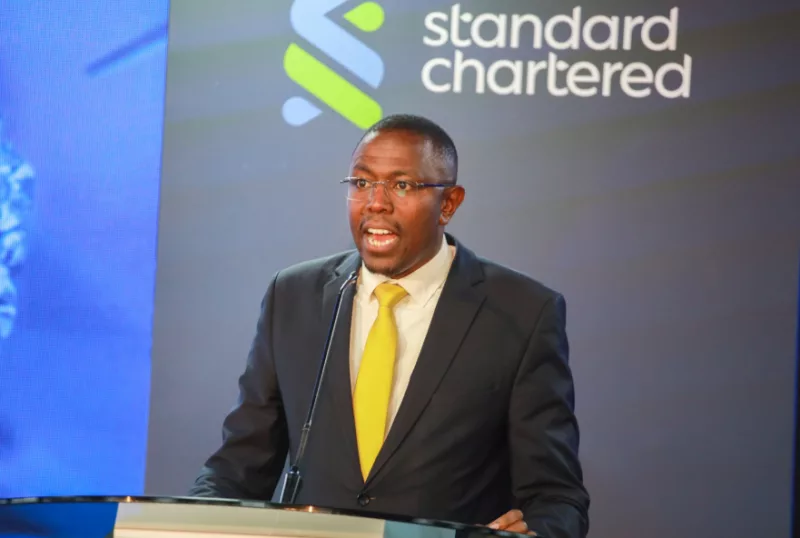
Paul Njoki, managing director and head of affluent banking and wealth Solutions, East Africa at Standard Chartered, said wealthy clients increasingly wanted to protect their fortunes against changing global conditions while ensuring they could pass them on successfully.
“These clients have dreams and aspirations that they are looking to accomplish,” Njoki said, adding that many want to provide quality education for their children, expand businesses across borders and preserve wealth for future generations.
He said sophisticated investors are now increasingly seeking solutions capable of responding quickly to changing markets rather than relying on a single asset class or country.
Wealth can be inherited, but the discipline and financial knowledge required to manage it cannot automatically be passed down with the assets.
Families that exclude younger members from financial discussions risk producing heirs who understand the value of money only after assuming control of substantial assets.
Abbas said the next generation should be involved early enough to understand the family’s wealth, values, responsibilities and investment philosophy.
At the same time, wealthy Kenyans are increasingly reconsidering where they invest their fortunes.
Knight Frank’s 2025 Kenya Wealth Report showed that only 22 per cent of wealthy Kenyans were investing in residential property, down from more than half the previous year, as investors sought more liquid and income-generating assets.
This is encouraging diversification into treasury bonds, money market funds, shares, global equities, private investments and other professionally managed portfolios.
The Stanchart Variable Capital Company (VCC) – gives eligible investors access to differentiated, professionally managed global investment strategies through a single investment platform.
Following CMA approval, the VCC adds a sophisticated new avenue to Kenya’s investment market, bringing global investment capabilities and a flexible multi-strategy platform closer to eligible sophisticated investors
Standard Chartered Kenya and East Africa head of wealth and retail banking, Edith Chumba, said investors were increasingly seeking multiple income streams and exposure to different currencies and markets.
“The objective really is to build generational wealth,” Chumba said.
The bank’s new Signature Select platform provides access to four strategies—Enhanced Gold Income by Allianz, APAC Allocation Plus by BlackRock, US Allocation by T. Rowe Price and Global Income Plus by Pimco.
The wider lesson for wealthy families, however, extends beyond investment returns.
According to Stanchart, diversification can protect capital from market shocks, but good governance, clear ownership structures, financial literacy and early succession planning may ultimately determine whether a family fortune survives beyond its founder.
Across Africa, the millionaire population is projected to grow by 65 per cent over the next decade, creating a larger pool of investors seeking access to global markets and alternative investment opportunities.