

Kenyan households are facing tougher economic times as a surge in global oil prices threatens to raise the cost of transport, food, manufacturing, electricity and other essential goods and services.
International crude prices have surged towards $108 a barrel, piling fresh pressure on oil-importing economies as disruptions to key shipping routes threaten to keep energy and commodity prices elevated.
Latest disruptions incudes the attack on Saudi Arabia’s East-West Pipeline, also known as Petroline, which bypasses the Strait of Hormuz.
The pipeline which was hit by drones last wek has a maximum capacity of about seven million barrels per day, with the attack reportedly affecting at least 2.5 million barrels a day from an already strained supply chain.
Global oil majors have warned of a potential fuel crisis amid continued tapping into rserves by producing and exporting countries.
The shock is already being felt across businesses and households, with manufacturers facing higher freight and input costs, farmers paying more for agricultural inputs and transport operators warning of further pressure on fares.
The latest spike in crude prices comes as inflation rises to 6.6 per cent in August from 6.5 per cent in July. Transport inflation increased by 15.7 per cent year-on-year, while food and non-alcoholic beverages rose by nine per cent.
Economists and industry leaders warn that prolonged geopolitical tensions could deepen the pressure by increasing the cost of importing fuel, raw materials, machinery, food and other commodities.
The World Bank has revised Kenya’s 2026 economic growth forecast down to 4.3 per cent, from earlier projections of 4.4 to 4.9 per cent, while the Central Bank of Kenya has lowered its forecast to 4.9 per cent from 5.5 per cent.
CBK Governor Kamau Thugge said the revised outlook reflected continued uncertainty and the implications of the Middle East conflict on key sectors of the economy, alongside other risks inldung the El Niño.
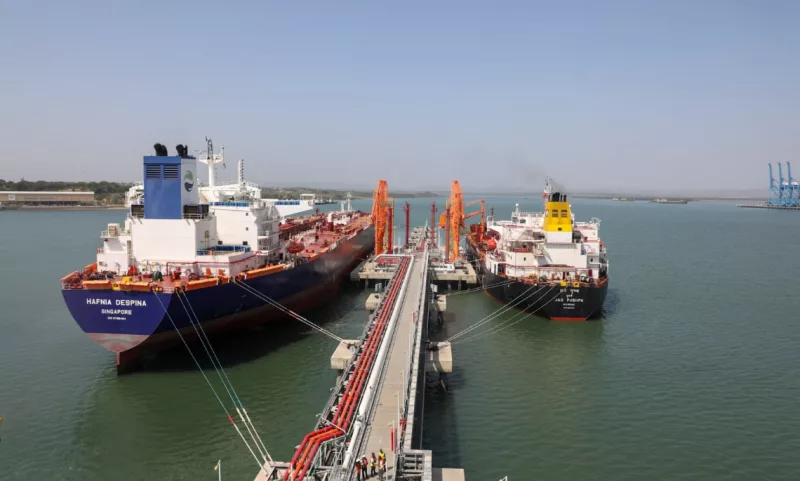
The manufacturing sector is among those exposed to the shock with the Kenya Association of Manufacturers chief executive Tobias Alando noting disruptions around the Red Sea and Middle East were increasing shipping charges, insurance premiums and delivery times while complicating access to raw materials.
“Any crisis around the Red Sea leads to a myriad of challenges for local manufacturers,” Alando said.
He said manufacturers were facing higher fuel and logistics costs, with companies ultimately transferring part of the additional expenses to consumers.
Manufacturers rely heavily on imported chemicals, machinery, packaging materials, metals, plastics and fuel. Longer shipping routes around the Cape of Good Hope could therefore increase the cost of bringing these inputs into the country.
The Shippers Council of East Africa has also warned that longer transit times, higher insurance premiums and freight charges are cascading through the economy.
SCEA chief executive Agayo Ogambi said continued geopolitical tensions were creating “serious disruptions” for Kenya’s imports and exports.
“Unless governments intervene through measures such as tax relief or targeted subsidies, higher fuel prices will continue pushing inflation upward,” he said.
The impact extends to agriculture, where farmers are already grappling with elevated input costs.
The government has allocated Sh18 billion in the 2026-27 budget to sustain subsidised fertiliser prices, seeking to shield farmers from international price volatility and support food production.
But higher fuel and freight costs could still increase the cost of moving crops from farms to markets, adding pressure on food prices.
For households depending on public transport, the pressure is more immediate as fares remain elevated after recent increases.
Matatu Owners Association president Albert Karakacha said fuel accounts for more than 60 per cent of daily operating costs, leaving operators with limited room to absorb another increase.
“We cannot keep increasing fares. The common mwananchi has no money,” Karakacha said.
Diesel currently retails at Sh217.86 per litre in Nairobi, while petrol costs Sh214.03, after the Energy and Petroleum Regulatory Authority retained prices for the September-October cycle.
A Sh5 reduction on diesel last month did not translate to any relief as the matatu industry termed it “a drop in the ocean”.
There are fears that further increases in global crude prices could push pump prices higher, increasing pressure on households, businesses and the transport sector.
The impact, however, extends beyond fuel-dependent businesses. Kenya could face higher costs of running factories, transporting agricultural produce, delivering goods, operating machinery and distributing products to shops.
Businesses facing higher costs may respond by raising prices, cutting margins or delaying investment.
Electricity consumers are also exposed through fuel-energy and foreign-exchange pass-through costs, which can affect the overall cost of power.
Petroleum Outlets Association of Kenya chairman Martin Chomba said global conflicts had increasingly become “kitchen table issues” for Kenyan households as disruptions affect major trade routes.
The Strait of Hormuz, through which about a fifth of global oil passes, remains a major source of concern.
Consumer lobby Cofek has called for greater transparency in the use of the Petroleum Development Levy, saying consumers need to know how long existing measures to cushion them from global fuel shocks can last.
The latest developments point to a difficult balancing act for policymakers on containing inflation and protecting households and businesses from the oil shock, while avoiding measures that could further strain public finances.