

Recurring floods linked to climate change are driving a growing mental health crisis in Kenya’s informal settlements, with new research revealing alarming levels of depression, anxiety and post-traumatic stress disorder among affected residents.
Findings from the Weather Events and Mental Health Analysis (Wema) study indicate that people living in flood-prone urban settlements are experiencing significantly higher rates of psychological distress than the general population, exposing a largely neglected consequence of climate change.
The research, conducted by the African Population and Health Research Centre (APHRC), surveyed 1,000 residents from Mukuru Kwa Reuben in Nairobi and the Manyatta informal settlement in Kisumu.
The study forms part of a wider investigation being undertaken in Kenya, South Africa, Mozambique and Burkina Faso.
Researchers found PTSD to be the most common mental health condition associated with extreme weather events, particularly flooding.
According to the findings, 37 per cent of respondents screened positive for probable PTSD, while 22 per cent showed symptoms of depression and 15 per cent experienced anxiety.
The researchers noted that these figures are between five and 12 times higher than estimates for the wider population.
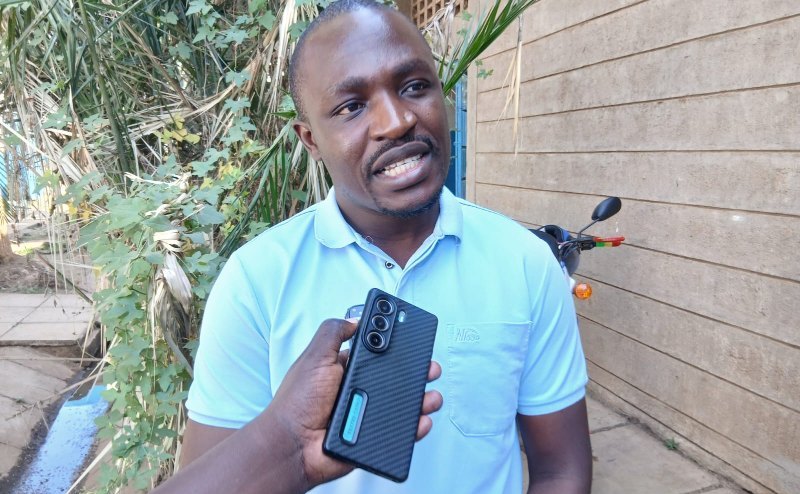
“We wanted to understand the relationship between extreme weather events and mental health. Informal settlements already face a heavy burden of mental health challenges, but our findings show that a significant portion of this burden is linked to flooding and other climate-related shocks,” said Henry Odero, monitoring, evaluation and research officer at APHRC.
He said residents exposed to floods were substantially more likely to experience trauma-related mental health conditions.
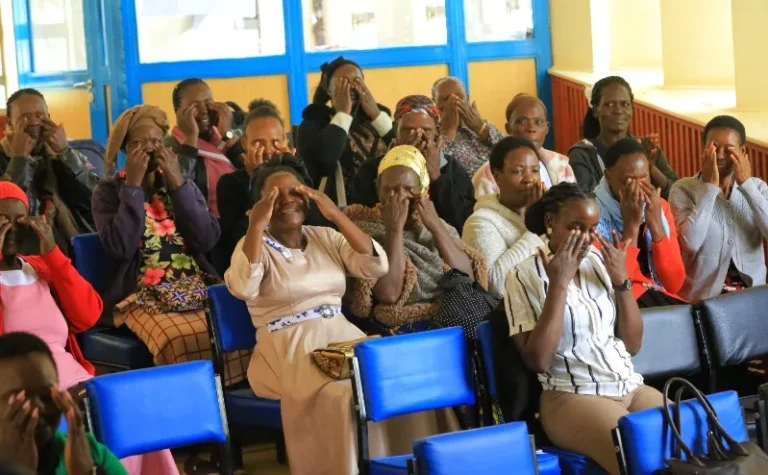
Odero spoke during a stakeholder engagement meeting in Manyatta, Kisumu.
The study found that PTSD affected 44 per cent of residents who had experienced flooding, compared with 30 per cent of those who had not been directly affected.
Among households forced to leave their homes because of floods, PTSD prevalence rose further to 47 per cent.
Researchers also documented the cumulative impact of repeated disasters. For residents who had experienced five or more flood events, PTSD prevalence climbed to 51 per cent.
“Flooding is not only about losing property, income or shelter. Many people continue to relive traumatic experiences long after the waters have gone. Even the sound of thunder or the sight of dark clouds can trigger anxiety and fear,” Odero explained.
The burden was particularly evident in Mukuru Kwa Reuben, where flooding occurs more frequently. PTSD prevalence stood at 44 per cent compared with 30 per cent in Manyatta, while depression affected 24 per cent of residents in Mukuru compared with 19 per cent in Manyatta.
The study identified food insecurity as one of the strongest pathways linking climate shocks to poor mental health outcomes.
Nearly eight in 10 respondents (77 per cent) fell within the most severe category of food insecurity, while 87 per cent reported reducing meal portions or skipping meals altogether during the previous year.
Among severely food-insecure households, depression prevalence rose to 25 per cent, compared with only three per cent among food-secure households.
PTSD prevalence reached 42 per cent among respondents experiencing severe food insecurity.
Flood-affected households were also more likely to experience hunger, with 88 per cent reporting very low food security levels.
Researchers noted that floods often destroy household goods, disrupt small businesses and prevent residents from accessing income-generating activities, leaving families struggling to meet basic needs.
Women were found to bear a disproportionate share of the psychological burden. PTSD affected 41 per cent of women compared with 27 per cent of men, while depression was recorded among 24 per cent of women and 15 per cent of men.
At the same time, strong social support networks emerged as an important protective factor. Residents with supportive families, friends and community connections reported lower levels of depression and PTSD than those who lived in isolation.
“What we are seeing is that people with strong social networks cope better with the effects of climate shocks. Those living alone, especially young people, tend to experience some of the highest levels of PTSD, anxiety and depression,” Odero said.
The researchers are now urging policymakers to integrate mental health services into climate adaptation and disaster response programmes. Odero called for investments in early warning systems, improved drainage infrastructure, community support structures and faster emergency response mechanisms.
“Disaster response should not focus only on food, shelter and rebuilding homes. Mental health support must become part of climate action because the psychological effects of climate change can persist long after physical recovery has taken place,” he said.
The findings came at a time Kenya is experiencing increasingly frequent and severe climate-related disasters.
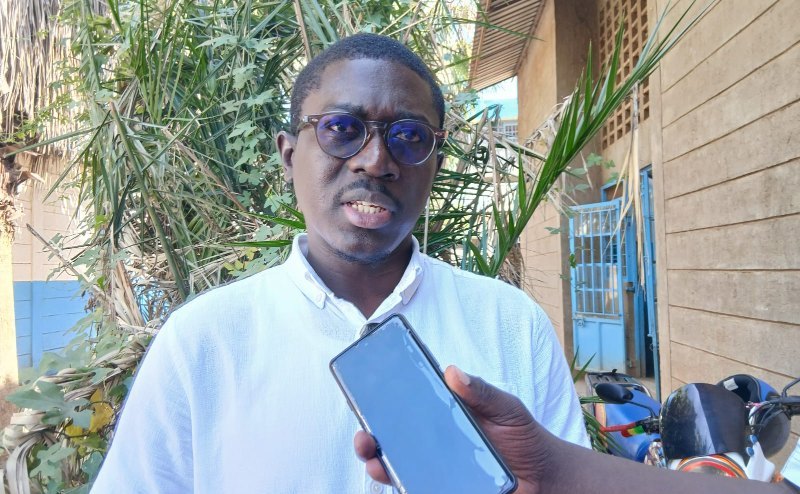
Dr Moustapha Tall, associate research scientist in climate science at APHRC, said Africa remains among the regions most vulnerable to climate change despite contributing the least to global greenhouse gas emissions.
“The project seeks to understand how extreme weather events affect the mental wellbeing of vulnerable populations. These communities already face numerous challenges, and climate shocks add yet another layer of stress and hardship,” he said.
Tall explained that researchers are currently validating the findings with affected communities before designing interventions aimed at helping residents cope with trauma, anxiety and depression.
APHRC is also seeking funding for a second phase of the study that will explore the impact of multiple climate hazards occurring in close succession, including flooding and extreme heat.
The Wema project hopes its findings will inform policies that recognise mental health as a critical pillar of climate resilience, particularly among vulnerable populations living on the frontlines of climate change.