


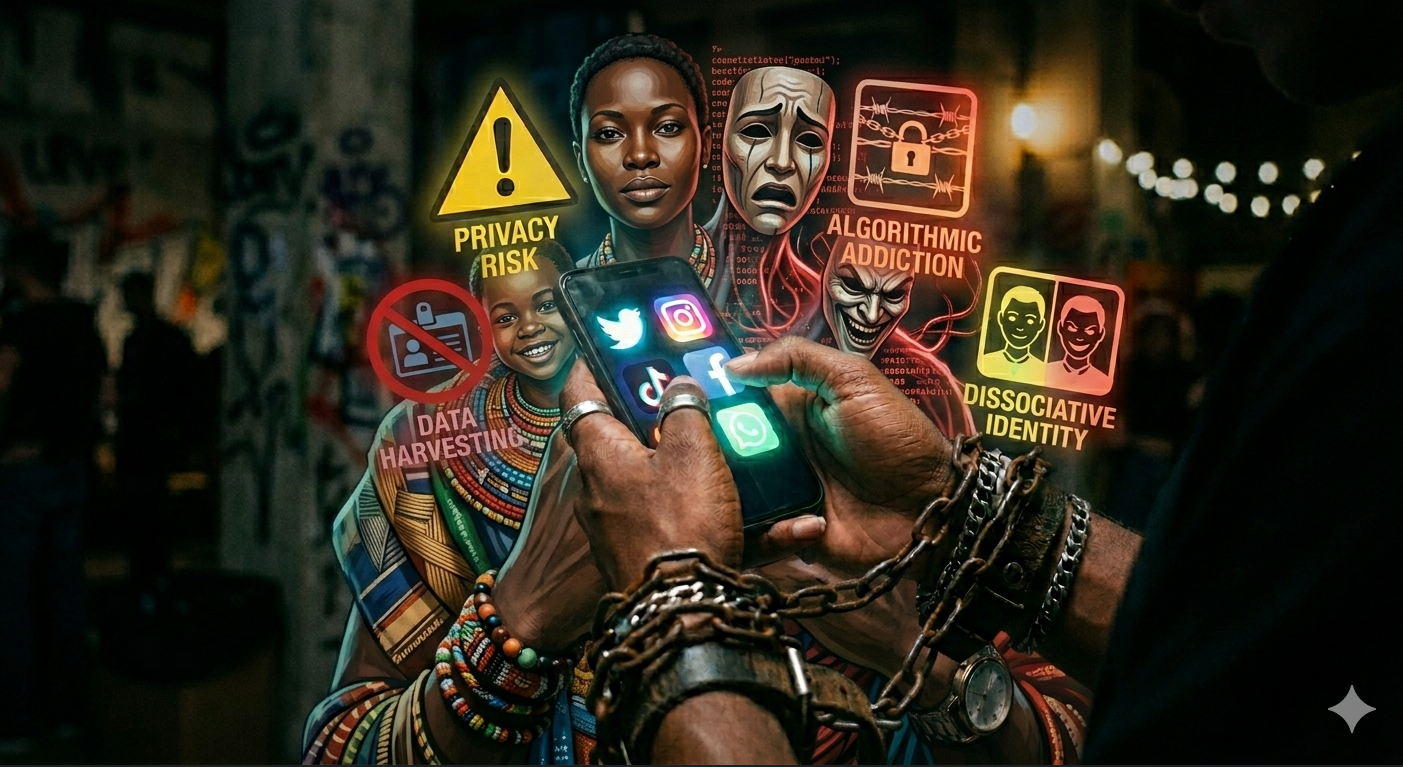
A simple scroll through a phone can expose a child to learning opportunities, entertainment and global conversations — but it can also expose them to cyberbullying, scams, political tension and harmful content.
As Kenya becomes increasingly digital, many young people, parents and experts are now questioning whether children are truly safe online.
For some youths, social media no longer feels like a completely safe space to freely express opinions. Fear, they say, has slowly replaced freedom.
One university student, Aisha Ibrahim, says she has become cautious about online spaces after witnessing people being harassed, arrested or hacked because of what they posted.
She recalled an incident where a university lecturer’s WhatsApp account was hacked and used to ask her for money.
“At first I thought it was strange,” she says. “Later I found out his account had been hacked.”
Beyond hacking, she believes children are now being exposed to inappropriate content too early, especially when left unsupervised online.
Her concerns mirror those of many parents who feel the internet has become too risky to leave children navigating alone.
Pastor Chris, a parent, says the biggest concern today is the growing tension surrounding freedom of expression online.
“We are told there is freedom of speech, but sometimes what people say is interpreted differently,” he said, adding that many young people now fear becoming targets simply for sharing opinions.
Still, he believes restricting children entirely is not the answer. Instead, he argues that parents should guide children while also teaching them boundaries and responsibility online.
“There has to be open conversation in families,” he explained. “Young people need guidance, but they also need to understand respect, tolerance and limits.”
That need for guidance was echoed by another youth, Wesley Sande, who described online harassment as one of the biggest dangers facing young people today.
He said many youths are mocked online because of their appearance, identity or opinions, something he says can heavily affect mental health.
At the same time, Wesley believes social media is not entirely negative. According to him, digital platforms have created opportunities for young people to learn, network and even earn an income.
“Social media itself is not the problem,” he says. “It depends on how people use it.”
That balance between danger and opportunity is something digital experts say Kenya must urgently address.
Howie Rapudo, secretary general of the Internet Society of Kenya, says digital platforms have transformed everyday life by making communication, education, transport and banking easier.
“Everything today is happening online,” he explained. “You can learn, work, communicate and even access services through your phone.”
He said Kenya has made major progress in internet connectivity and digital access through government initiatives and improved infrastructure.
However, he says digital safety education has not kept pace with that growth.
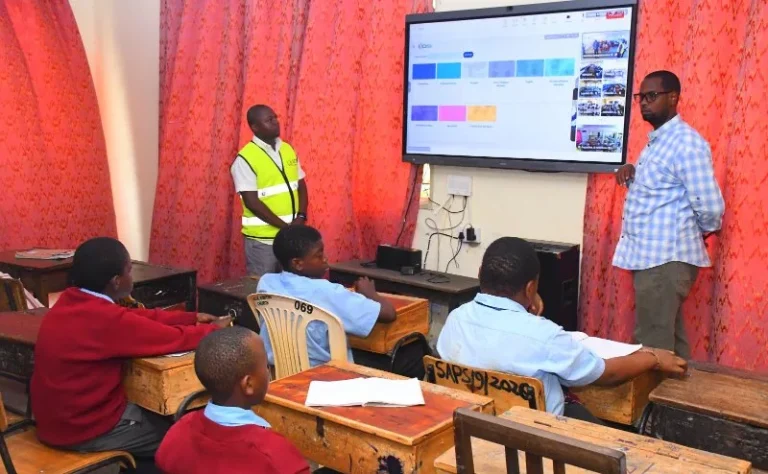
According to Rapudo, many schools still lack enough resources and training to properly teach children about cyber security, cyberbullying and safe online behaviour.
“Teachers also need digital safety skills,” he said. “You cannot fully protect children online if schools, parents and even teachers are not prepared.”
Meanwhile, concerns over online expression continue to grow among young Kenyans, especially following recent politically charged incidents discussed widely online.
Another youth interviewed, Joshua Nyamwaro, said many young people now fear posting political opinions online because they feel constantly monitored.
“I don’t think Kenyans are fully safe to post anything online,” he says.
Despite those fears, Joshua still believes social media remains one of the most powerful tools for modern communication and awareness.
Others interviewed agreed that unrestricted internet access can expose users to pressure, addiction, misinformation and dangerous interactions if not used responsibly.
Pastor Chris compared digital platforms to a kitchen knife.
“If used well, it helps you,” he said. “If misused, it can harm you.”
He urged Kenyans to create healthier online conversations and avoid turning political disagreements into hatred or violence.
“We cannot abuse or harm people simply because they hold different opinions,” he says.“There has to be boundaries, tolerance and respect online.”
Rapudo also warned Kenyans against oversharing personal information online, saying many unknowingly expose themselves through photos, locations and daily updates.
“Your digital footprint matters,” he cautioned. “People can track your movements, your family and even your lifestyle through what you post.”
He advised internet users to protect their passwords, avoid exposing too much personal information online and be careful about who they trust on digital platforms.
“Internet friends are not necessarily your real friends,” he says.
Across all the interviews, one message remained clear: the internet itself may not be the enemy, but the lack of digital literacy, online tolerance and responsible use continues to place many Kenyans at risk.
As Kenya’s digital space continues to grow, the bigger question remains whether internet users, families, leaders and institutions are prepared to create an online culture that is both free and safe for everyone.