


Coffee farmers in Murang’a county have been urged to embrace climate-smart farming practices and return to coffee production as stakeholders intensify efforts to revive the once thriving sector.
The call was made by Women in Climate Change Organisation (Wicco) during a farmers’ training session at Kioru coffee cooperative society in Kagunduini ward, Kandara subcounty where farmers were taken through best coffee farming and crop management practices by extension officers.
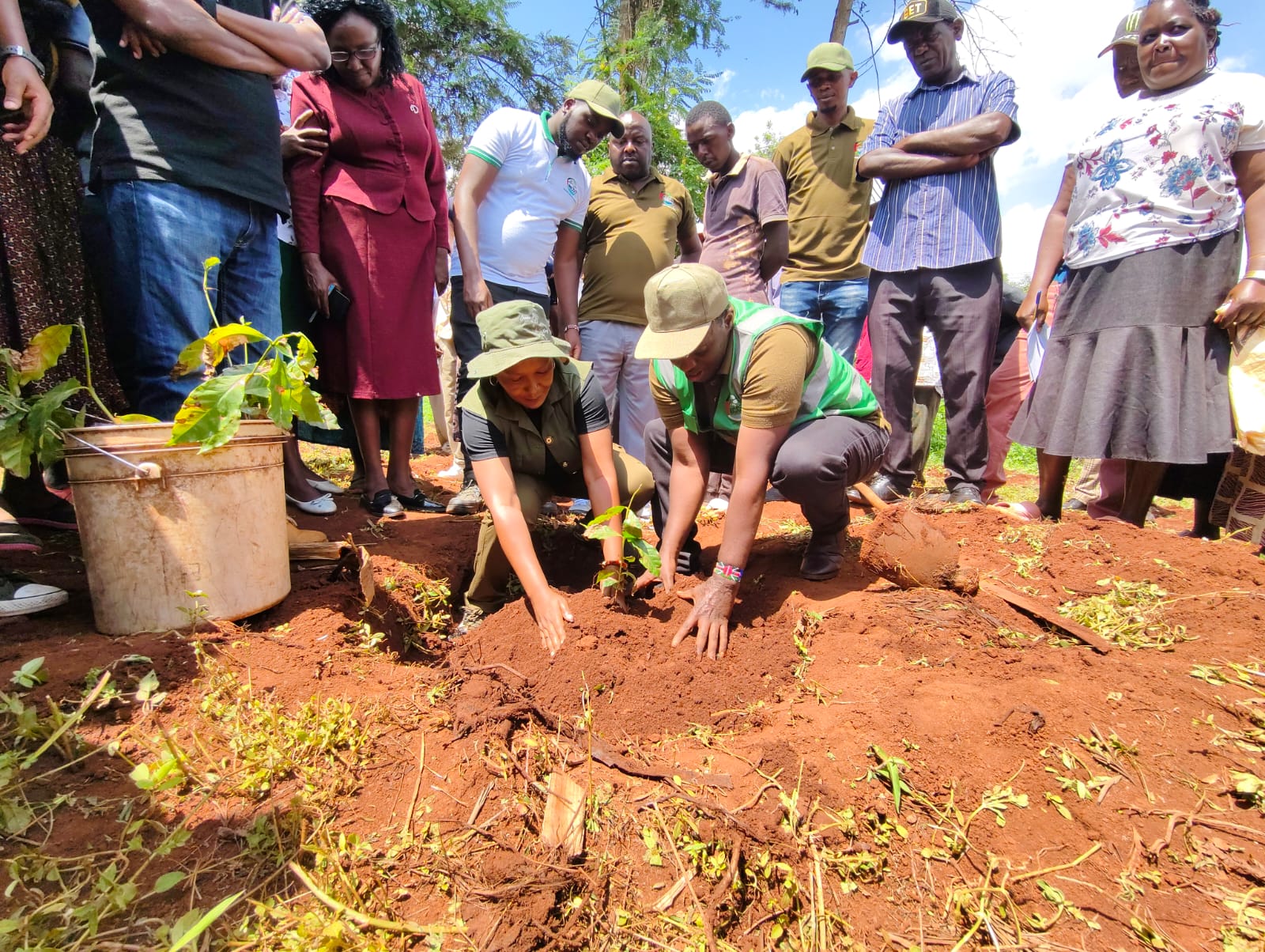
Farmers were trained how to prepare the soil to make it less acidic before planting and employ conservation measures such as mulching to preserve moisture.
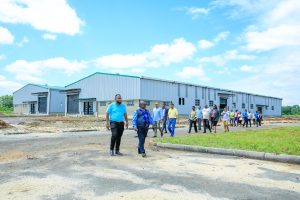
The organisation also donated Batian coffee seedlings to farmers and new coffee drying beds to the factory in a move aimed at improving coffee quality and easing post-harvest handling processes.
Wicco chairperson Diana Muthoni said the organisation is focused on empowering communities while helping them build resilience against climate change through environmental conservation and sustainable agriculture.
Muthoni said the seedlings would help farmers replace old coffee bushes that have been producing low yields with faster maturing and more productive varieties.
“Farmers need to shift to better coffee varieties that are more yielding so that they can earn more and improve their livelihoods,” she said.
She said that coffee farming remained one of the key economic activities in Murang’a, with thousands of families depending on the crop for their livelihoods, adding that more partners needed to support farmers to increase production and improve earnings.
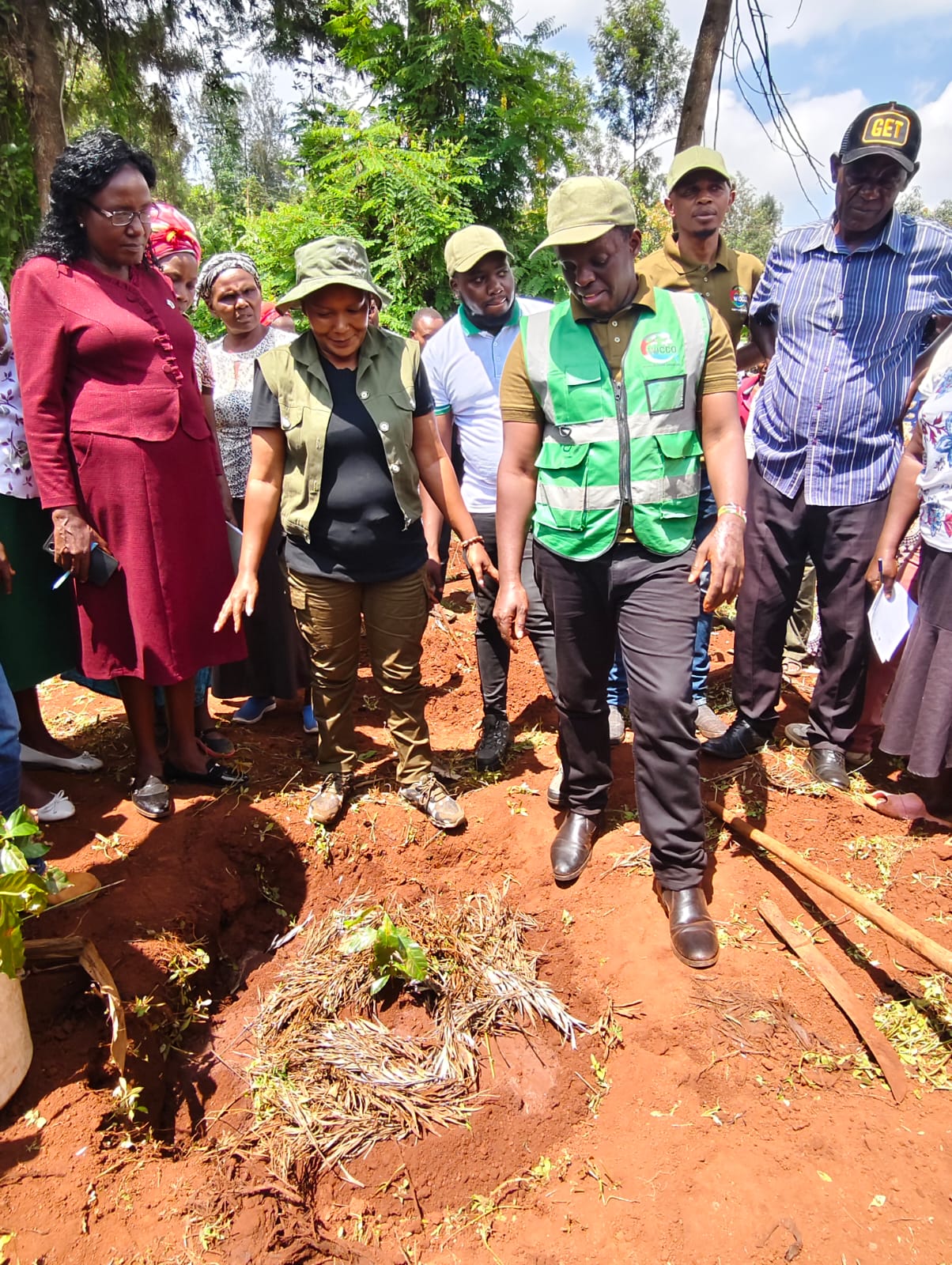 Agronomist Lawrence Njuguna takes farmers through the process of tending for a coffee plant during a training session at Kioru coffee factory in Kandara, Murang’a, on May 22, 2026 /ALICE WAITHERA
The chairperson said that improved coffee prices in recent years had renewed interest in the crop, although farmers still require support to upscale farming and improve returns.
She urged farmers who abandoned coffee farming years ago to reconsider growing the crop, saying the sector had sustained many families before poor prices, mismanagement of cooperative societies and persistent theft of coffee parchment discouraged many growers.
Waiguru said rapid development and subdivision of land had also reduced acreage under coffee farming in many parts of the county.
Charles Waweru, chairman of Kioru coffee cooperative society, said the society currently has 500 registered members but only 214 are active coffee farmers.
“In the past two years, we have experienced an upsurge in coffee prices. Last year we paid farmers Sh105 per kilogramme compared to Sh95 previously and this has seen farmers start getting serious with coffee again,” he said.
Waweru said the society was targeting increased deliveries this season as more farmers resumed coffee farming following improved returns.
Currently, farmers barely produce five kilogrammes per coffee bush yet they have the potential to harvest up to 30kg with good practices.
He, however, called on the government to help farmers access more international markets especially in China, saying expanded markets would further boost coffee earnings.
The chairperson also urged the government to consider supporting struggling societies that are often left out as support is channeled to better performing ones.
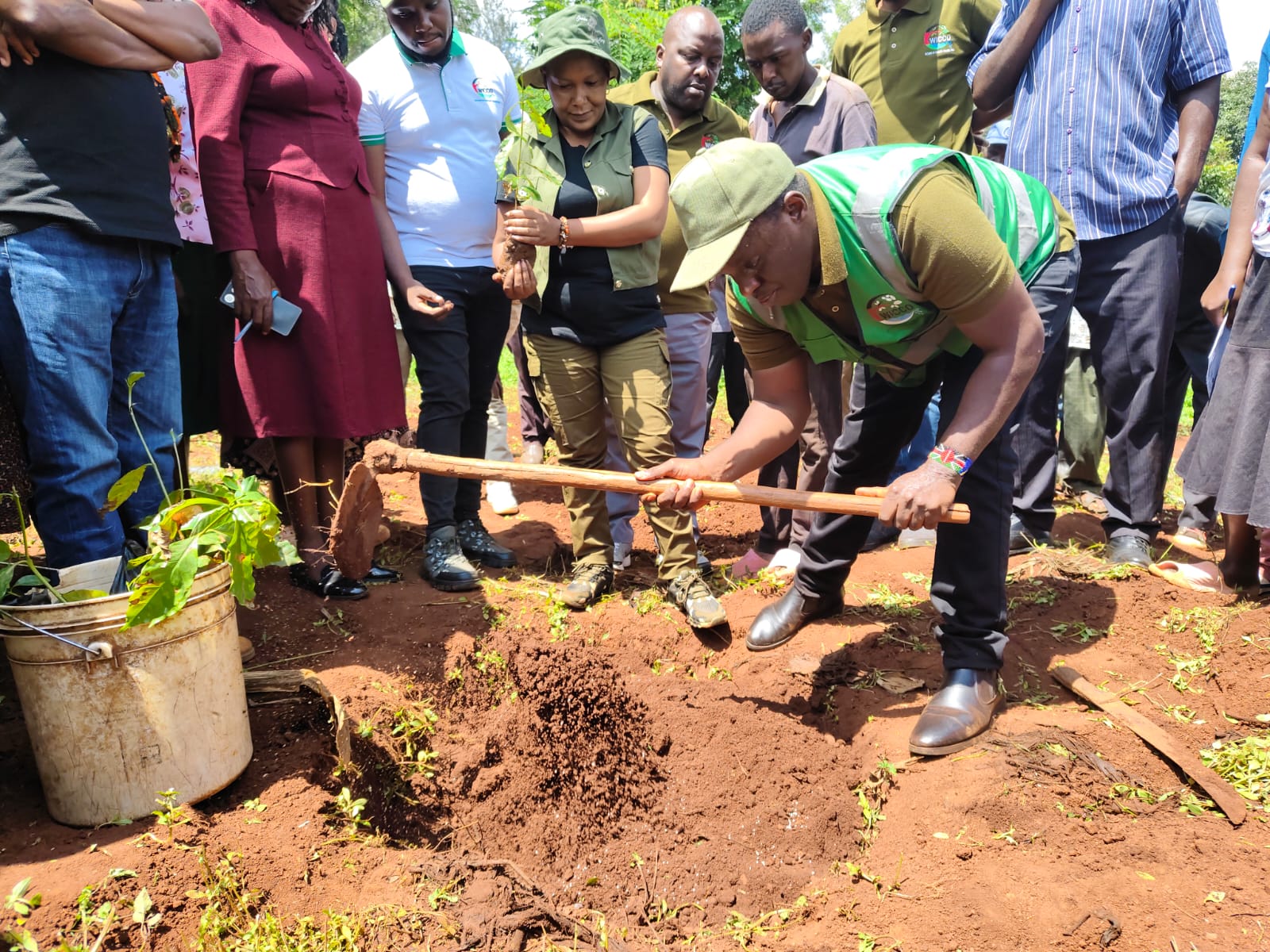 Agronomist Lawrence Njuguna training farmers on how to prepare soil before planting coffee during a training session at Kioru coffee factory in Kandara, Murang’a, on May 22, 2026 /ALICE WAITHERA
He revealed that due to high processing costs, the factory had adopted a different method of preparing coffee where farmers deliver super ripe cherries that are either fermented in sacks or dried directly on drying beds to produce specialty coffee.
Waweru said the method had significantly reduced production expenses and enabled the factory to pay farmers better prices.
“What that has done for us is it has cut the cost of processing from Sh15 per kilogramme to Sh5. At the end of the day we are able to get a market for specialty coffee while reducing the cost of production for farmers,” he added.
He said farmers received about Sh2.6 million during the last payment cycle and expressed optimism that deliveries would continue increasing as confidence in the sector improves.
The training session also attracted participants from The Gambia who are in the country for a programme on value addition and manufacturing organised by Upskill Development Institute.
Among them was livestock specialist Nerry Corr who said the visit offered an opportunity to learn how coffee is grown, processed and marketed in Kenya.
“Coffee is a very popular drink in The Gambia yet we do not produce it. Coming here has helped us understand how its grown, processed and prepared for the market while also seeing how women are helping conserve the environment,” he said.
Coor said Kenya’s success in coffee farming could provide valuable lessons for other African countries interested in exploring coffee production and climate change mitigation initiatives.
He also lauded efforts by women groups involved in environmental conservation, saying such initiatives were critical in combating the effects of climate change through afforestation and sustainable farming practices.