

Sub-Saharan Africa’s ability to achieve regional food security relies heavily on shielding smallholder farmers from severe post-harvest losses and connecting them directly to lucrative urban markets, a high-level panel of global leaders has urged.
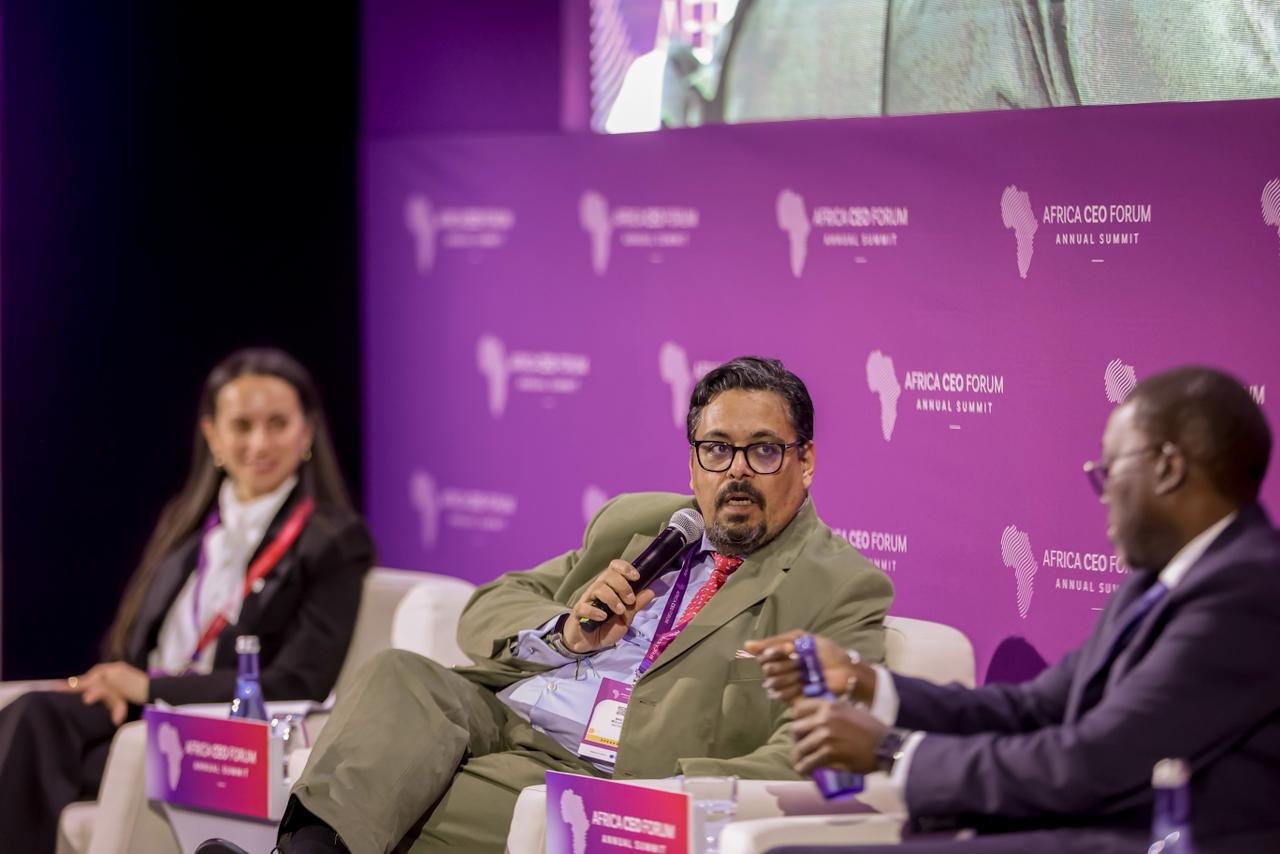
Speaking at the 2026 Africa CEO Forum in Kigali, agricultural experts, corporate executives, and multilateral lenders noted that while smallholder productivity has risen due to improved inputs and seed technology, a fragmented “midstream” value chain—marked by a lack of cold storage, poor rural roads, and weak transport logistics—continues to trap millions of farmers in a cycle of low returns.
The discussions, under the theme “Unyielding Growth: Tackling Africa’s Agricultural Midstream Challenge,” highlighted that smallholder farmers bear the biggest brunt of Africa’s infrastructure deficit, often forcing them to sell their produce at throwaway prices to predatory middlemen.
Max Müller, the Global Head of Public Affairs at Bayer, emphasised that optimising farm yields is only half the battle.
If the harvest cannot reach the market efficiently, smallholder families cannot transition from subsistence farming to commercial sustainability, he noted.
“Infrastructure is key for African markets,” said Mr. Müller. “Addressing these midstream issues is exactly what will open doorways for smallholder farmers to access stable, lucrative markets.”
In sub-Saharan Africa, smallholders produce up to 80 per cent of the food consumed, yet they lose close to 40 per cent of their harvest before it ever reaches a consumer.
These logistical inefficiencies artificially inflate urban food prices while keeping rural smallholder incomes severely depressed.
OCP Africa chief executive Hajar Alafifi stressed that a holistic, end-to-end approach is required to protect smallholders from climate and market volatility.
She noted that transforming smallholder agriculture is the only way to reverse the continent’s $100 billion (Sh13 trillion) annual food import bill.
“True transformation must rely on an integrated approach combining soil science, innovation, agricultural mechanisation, and broader access to international markets,” Ms. Alafifi stated.
She shared that OCP Africa’s strategy focuses on directly integrating smallholders into structured corporate value chains rather than leaving them to navigate fractured local markets alone.
She cited an initiative in Nigeria that successfully connected 750,000 smallholder farmers directly to commercial agro-processors, bypassing traditional supply chain leakages.
“We need better-structured agricultural value chains and regulations that support intra-African trade for smallholders,”
The World Bank signaled that smallholder farmers cannot thrive in isolation. Financing must move toward building rural infrastructure that links remote smallholder clusters to major regional trade networks.
World Bank’s regional vice president, Ousmane Dione, urged that investment frameworks must intentionally connect smallholder production hubs to regional economic corridors under the African Continental Free Trade Area (AfCFTA).
“We need to think in a much more integrated way,” Dione urged during the panel. “Corridors are not just about transportation. They must connect industries, logistics, agriculture, and energy systems.”
He noted that establishing transnational trade institutions and improving rural feeder roads would instantly unlock distribution, allowing smallholders to move their goods across borders smoothly.
The forum concluded with a strong consensus that smallholders should no longer be viewed through the lens of humanitarian aid, but rather as critical entrepreneurs driving Africa’s commercial growth.
According to Bayer, transitioning agriculture into a commercial powerhouse requires continuous collaboration between inputs providers, logistics firms, and regional governments to build the reliable midstream infrastructure that smallholder farmers need to succeed.