
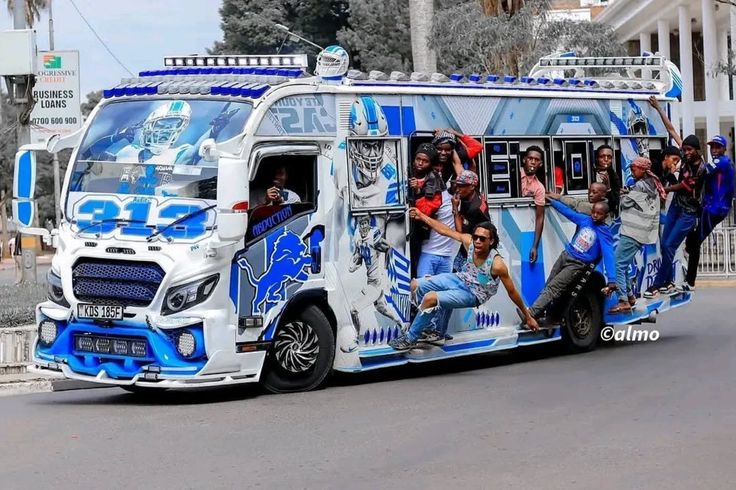
Nairobi’s vibrant matatu scene, widely known as the nganya culture, has evolved far beyond public transport.
It is now a full-blown youth-driven lifestyle, shaping fashion, music, language, and urban identity across the city.
A Moving Street Culture
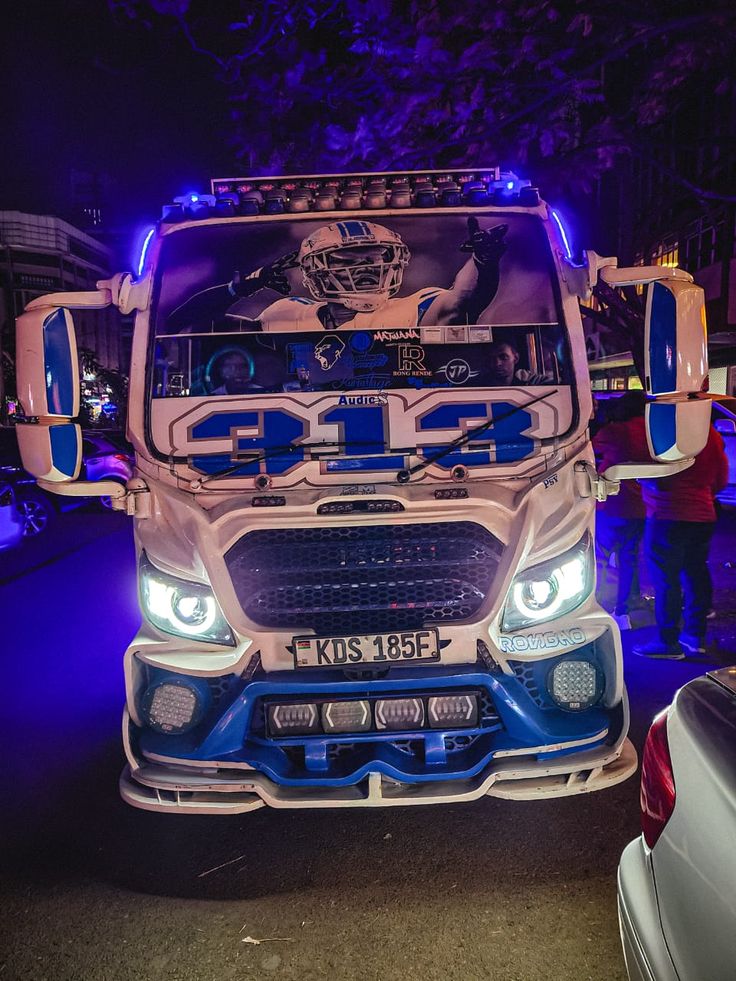
Nganyas are not just vehicles. They are rolling expressions of art and personality. Bright graffiti, flashing LED lights, powerful sound systems, and curated music playlists define the experience for passengers.
Inside, conductors double as entertainers, hyping passengers and competing for attention on busy routes.
“This is not just transport. It’s a vibe. It’s culture. It’s Nairobi life.”
The term nganya itself has become associated with high-energy matatus that stand out in design, speed, and street influence.
A major driver of the culture is Nairobi’s young population, especially creatives, DJs, designers, and graffiti artists who use matatus as a platform for expression.
For many, the industry provides employment and visibility in a city where informal creative work is growing rapidly.
Music also plays a central role. Kenyan urban genres such as gengetone and hip-hop are heavily promoted inside nganyas, making them unofficial promotion hubs for new artists.
“Nganya culture is where music, art, and hustle meet on the streets.”
Competition on the Roads
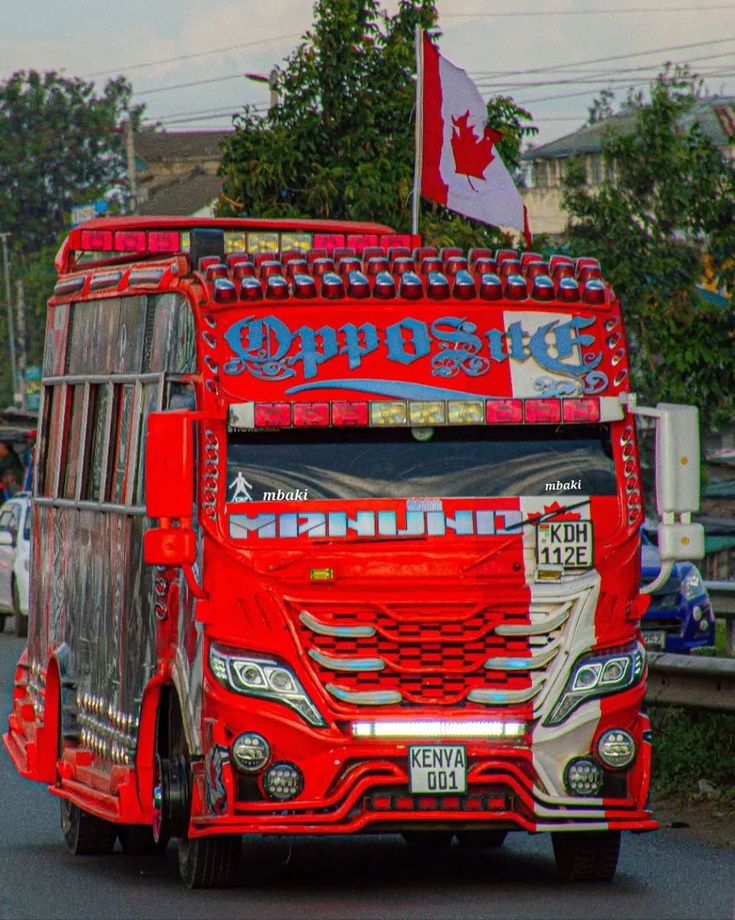
Different matatu crews compete aggressively for passengers. This competition has fuelled innovation in design, branding, and onboard entertainment.
Routes such as Rongai, Kayole, Embakasi, and Thika Road are known for highly competitive fleets that often go viral on social media due to their design and energy.
Industry observers say Nairobi’s matatu sector carries hundreds of thousands of passengers daily, making it one of the most visible informal transport systems in East Africa.
Social Media and Viral Influence
The rise of TikTok, Instagram, and YouTube has amplified nganya culture. Videos showcasing interiors, sound clashes, and street races regularly attract millions of views online.
This digital exposure has turned matatus into marketing tools for artists, DJs, and even brands seeking youthful audiences.
Regulation and Debate
Despite its popularity, the culture has faced scrutiny over noise levels, road safety, and traffic discipline. Authorities have at times attempted crackdowns on excessive modifications and loud music systems.
However, the movement continues to adapt, with SACCOs and operators balancing creativity with regulatory compliance.
Nganya culture reflects the energy of Nairobi itself — fast, expressive, competitive, and constantly evolving.
It is no longer just about moving people from one place to another. It is about identity, creativity, and the everyday performance of urban life on wheels.