


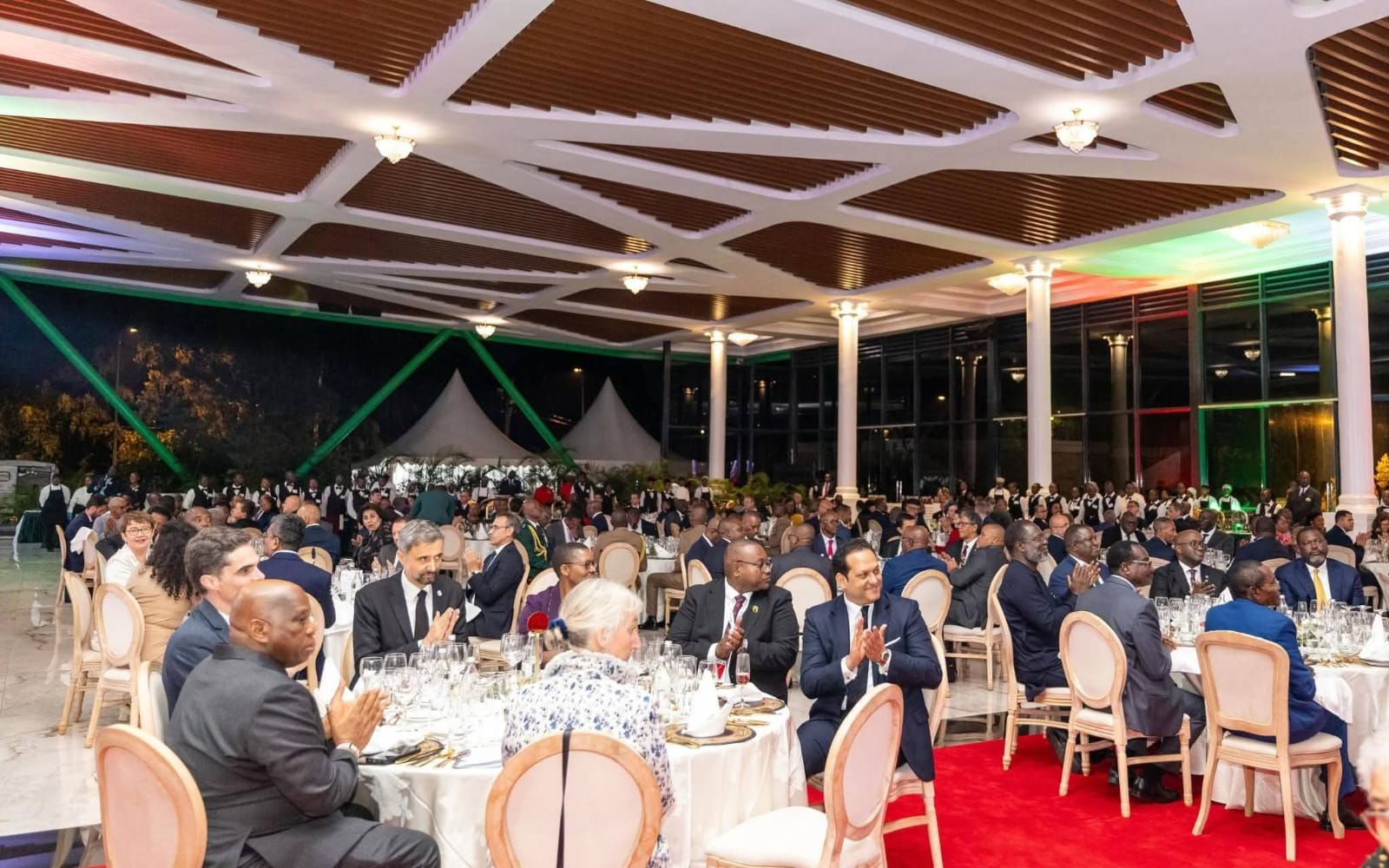
Visiting Heads of State and government attending the Africa-France Summit 2026 were treated to an elaborate State House banquet on Monday night.
The banquet showcased Kenya’s agricultural richness, culinary artistry and diplomatic warmth through a carefully curated menu rooted in “terroir, tradition and global connection.”
Hosted at State House, Nairobi by President William Ruto, the state dinner brought together leaders from across Africa and France.
The immersive gastronomic journey placed Kenyan produce at the centre of fine dining, paired with French culinary techniques and wines in what organisers described as “an evening of honour, heritage and diplomatic friendship.”
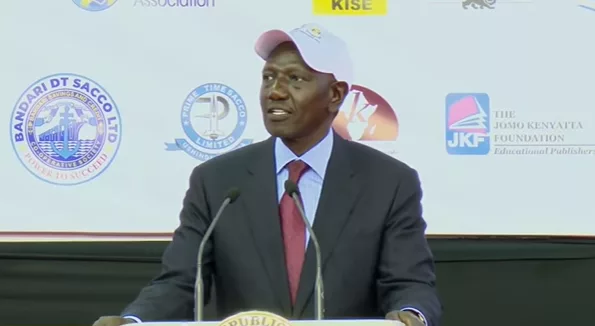
The President, in remarks during the banquet, said the dinner was “a ceremonial expression of the distinguished friendship between the Republic of Kenya and the French Republic,” adding that it reflected “the richness of our histories, the dignity of our institutions, and the enduring ties between our peoples.”
He further noted that the summit dinner symbolised “a new partnership shaped by respect, cultural exchange, and a shared commitment to international cooperation between France and Africa.”
The evening opened with a ceremonial welcome ritual dubbed Spirit of Kenya Hibiscus Royale, a sparkling hibiscus and tea infusion served with goat cheese snow and cassava crisp.
The drink, with its floral acidity and crimson hue, set the tone for a menu deeply inspired by Kenya’s landscapes.
Guests were then served a refined amuse-bouche of orange carrot, sweet pickled beet and hibiscus gelée, a small but intricate bite designed to reflect the balance of earthiness, sweetness and acidity that defined the entire dining experience.
Pre-dinner canapés included smoked trout rillette with yuzu and brioche crisp, cassava gougère with Comté-style cheese, grilled banana and chicken liver parfait with coffee dust, avocado lime royale, and Kenyan Nyama Choma sliders, a nod to Kenya’s iconic open-fire meat tradition.
The culinary narrative unfolded through a series of tea-paired courses, beginning with a Malindi lobster and Hass avocado mille-feuille, accompanied by Kiriti premium green tea from the Central Highlands.
The dish highlighted Kenya’s coastal seafood heritage and its globally recognised avocado production.
The second course featured a Rift Valley tomato consommé with pan-seared sea bass and salmon, paired with Purple White Tea from Kirinyaga Highlands.
The delicate tea was described in the menu as having “soft minerality and floral notes,” mirroring the clarity of the consommé and freshness of the fish.
For the main course, guests were served a Timau lamb shank, slow-cooked and accompanied by mushroom glaze, smoked sukuma wiki and millet ugali.
It was paired with Purple Simba Tea, described as the most structured of Kenya’s purple teas, with “dark berry undertones and earthy resonance” designed to stand up to the richness of the lamb.
A fourth savoury course combined layered elements of Kenyan and French technique, including sea bass, salmon, lemongrass beurre blanc and sweet potato mash, paired with Purple Oolong Tea. The tea, lightly oxidised with floral aromatics, was said to “complement without overpowering.”
The dessert, named Umoja 47, was a centrepiece of symbolism.
A pistachio dacquoise layered with white chocolate mousse, orange curd and strawberry-mint crémeux represented unity across Kenya’s 47 counties. Petit fours, including macadamia praline, coffee jaggery truffle and vanilla-tea sablé were served alongside coffee and tea.
Wines and beverages reflected a strong Franco-Kenyan pairing, including Champagne Duval-Leroy Brut Réserve, Côte du Rhône whites, and Bordeaux reds, alongside Kenya’s signature purple and hibiscus tea infusions.
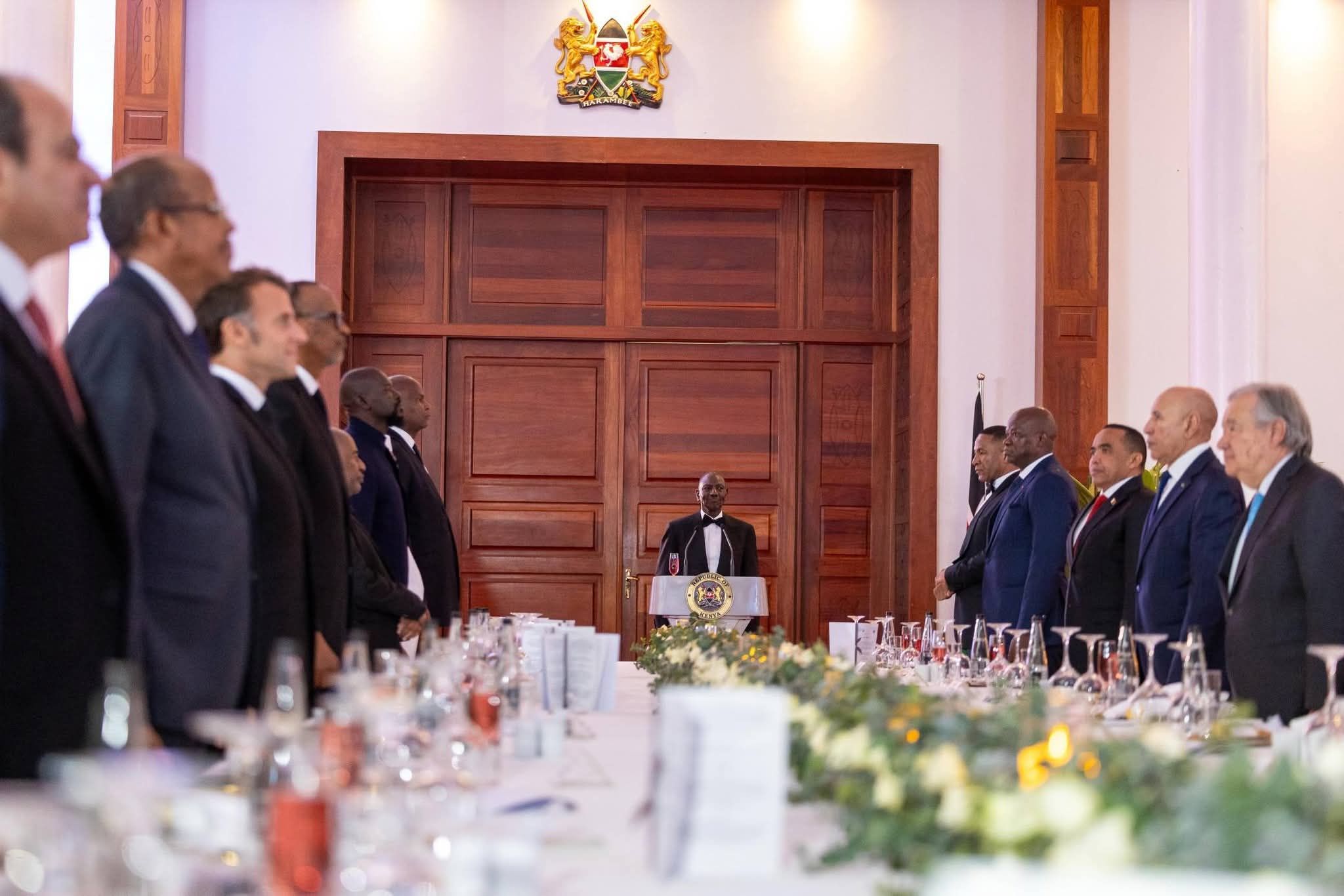
The menu also highlighted Kenya’s broader agricultural ecosystem, featuring origin stories of produce ranging from Rift Valley vegetables, Timau mushrooms, Indian Ocean seafood, Kirinyaga tea, Murang’a coffee and coastal cashew nuts.
Organisers said each ingredient was selected not only for flavour but for its cultural and geographical significance.
“The ingredients, botanicals, teas, flowers, fruits, herbs, seafood and produce presented throughout the evening have been selected not only for flavour, but for what they represent: place, climate, craftsmanship and the quiet excellence of the people who cultivate them,” the menu booklet noted.
The dinner was part of a wider Africa-France Summit agenda focusing on economic cooperation, climate resilience, trade and cultural exchange.
However, the banquet itself became a soft power showcase for Kenya’s positioning as both an agricultural powerhouse and a culinary destination.
As guests departed State House, organisers described the evening as “a shared table, a shared future,” capturing the spirit of diplomacy expressed through food, heritage and hospitality.
For the visiting leaders, the banquet offered more than a meal; it was a sensory tour of Kenya’s landscapes, from highland tea fields and volcanic soils to coastal waters and savannah ranches, all brought together in one carefully choreographed diplomatic dining experience.