

The High Court has set May 28, 2026, as the judgment date in a constitutional petition challenging the criminalisation of bhang in the country.
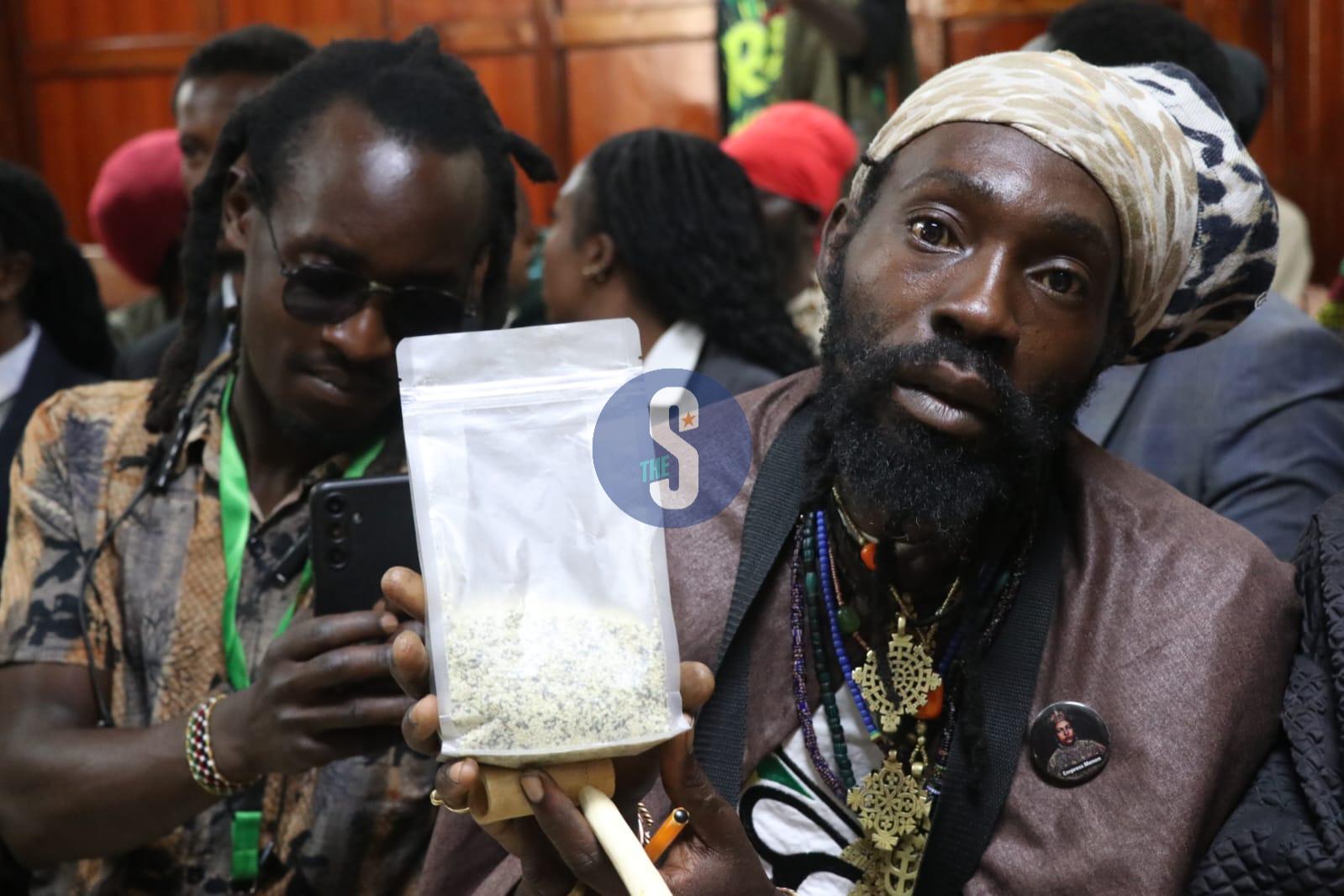
In their now amended petition, the Rastafari Society of Kenya challenges several provisions of the Narcotic Drugs and Psychotropic Substances Control Act, which criminalise the possession, use, and cultivation of cannabis.
At the centre of the dispute is whether Parliament, in enacting the law, exceeded constitutional limits by imposing what the petitioners describe as a blanket prohibition that violates privacy and freedom of religion.
During a hearing before High Court judge Bahati Mwamuye, lawyers representing the Rastafarians argued that the provisions are overly broad because they fail to distinguish between public and private cannabis use.
“The sections, however well-intended they were at the point of legislation, are overboard and have the effect of violating petitioners’ rights,” Lawyer Shadrack Wambui stated.
A key issue the judge sought clarification on was whether the High Court can grant such relief or whether the matter falls within Parliament’s legislative mandate.
Of particular interest was whether a religious exemption could be introduced into section 3 of the Act.
State Counsel Christopher Marwa, appearing for the respondents, also raised concerns over jurisdiction, arguing that the court must be cautious not to encroach on Parliament’s law-making role.
He defended Parliament’s authority, stating that laws derive legitimacy from public participation and democratic processes, and cautioned against what he termed judicial overreach that could amount to usurping legislative powers.
“No jurisdiction permits unrestricted use of an uncontrolled substance. The Act allows use upon obtaining a licence, so you cannot say it is completely banned in the country,” Marwa submitted.
He further argued that any reconsideration of cannabis regulation should be handled through parliamentary processes, including public participation and submission of memoranda by citizens.
Counsel for NACADA also supported the legislative process, stating that Parliament undertook public participation before enacting the law.
However, the Rastafarians maintained that the court has constitutional authority to intervene where legislation violates rights, particularly for marginalised groups, and is not bound to defer where Parliament has allegedly failed to adequately protect such rights.
Lawyer Shadrack Wambui said that in situations of legislative inertia, the court can fashion appropriate orders, so that if such directions are not complied with or Parliament fails to act, the court can still ensure that constitutional rights are effectively protected.
The petitioners urged the court to go beyond a declaration of unconstitutionality and issue structural orders directing Parliament and the Attorney General to craft a legal framework that accommodates religious use of cannabis.
Wambui maintained that the petition does not seek to legalise cannabis broadly, but to secure reasonable accommodation for private religious use.
He argued that public interest concerns remain addressed under the existing framework, and that Kenya’s constitutional order protects diversity of belief and privacy of adult conduct.
Counsel Danstan Omari added that courts have a duty to enforce Bill of Rights protections, including religious freedoms under Article 32, and may issue directions where necessary to remedy unconstitutional gaps in legislation.
“The parliament created the law reform commission, which can review or amend laws,” he added.
The arguments effectively placed Parliament at the centre of the dispute, with the court being asked to consider whether it can guide or compel legislative reform to accommodate religious protections within narcotics law.