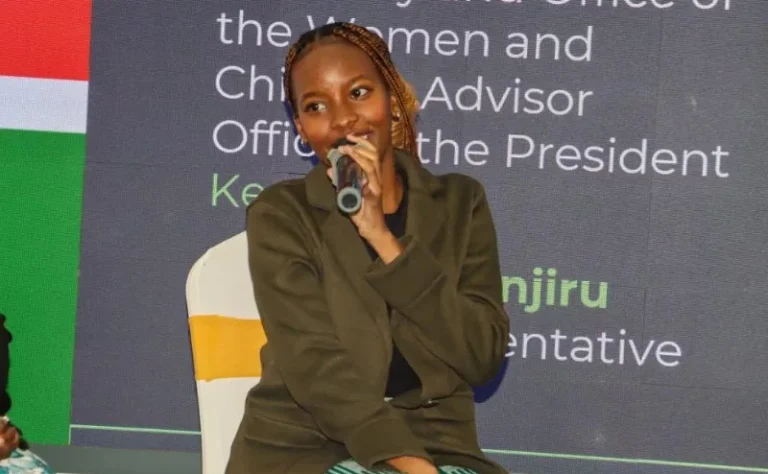



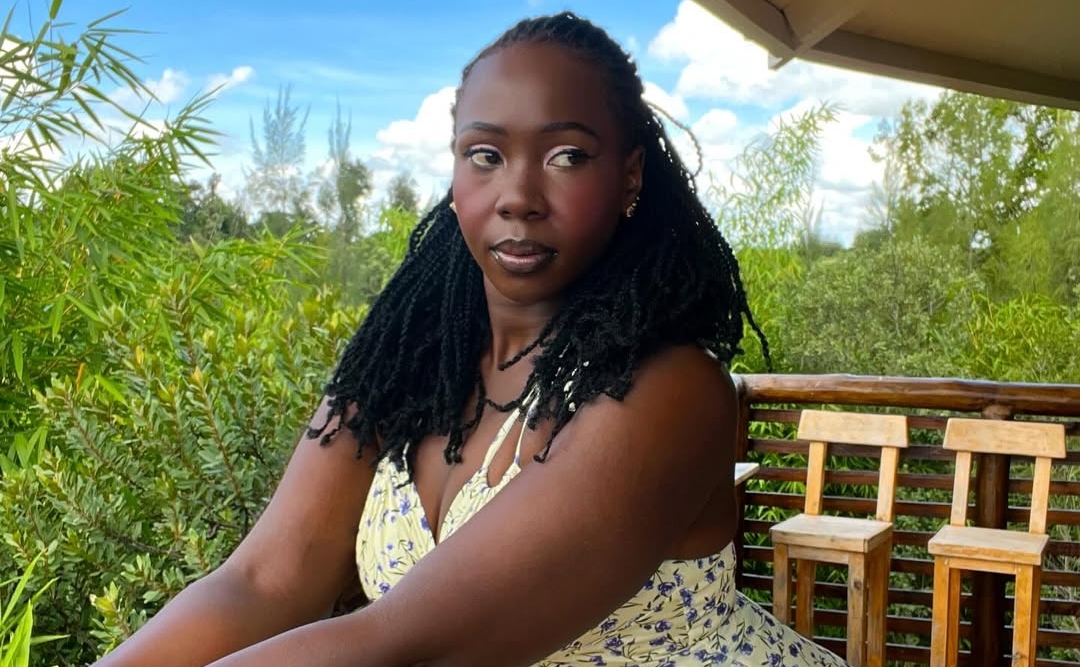
The debate over the cost of living and the accessibility of wealth in Kenya’s capital has been reignited. During a recent appearance on the Mic Cheque Podcast, popular content creator Chebet Ronoh shared her perspective on the polarizing sentiments previously shared by fellow influencer Murugi Munyi.
The conversation centered on whether financial success in Nairobi is a matter of personal initiative or systemic opportunity.

The Digital Nomad Hub
The discussion began with a viral video from a YouTuber, who labeled Nairobi the best city in Africa for digital nomads.
The YouTuber claimed that with a monthly budget of $1,200 to $1,500 (approximately £960 to £1,200), one could lead a “very decent life” featuring high-speed internet, modern amenities, and ideal weather.
Ronoh and the podcast hosts noted that many foreigners are drawn to the city because of this balance. However, they acknowledged that for many locals, these figures remain out of reach due to lower average pay scales.
Is Poverty a Choice?
The dialogue quickly turned to Murugi Munyi, a prominent Kenyan creator who faced social media backlash for suggesting that being poor in Nairobi is a choice. Ronoh admitted that while the statement is controversial, she sees a grain of truth in it.
“They’re always cooking Murugi but I agree with some of her takes… she was saying if being poor in Nairobi is a choice and I kind of want to agree with that,” she said.
She suggested that the city provides a unique environment for growth, provided an individual is willing to put in the effort and expose themselves to the right environments.
“I’ve seen people from the village become millionaires so, it’s a good city to develop. It’s a good city to grow. That I agree,” she added.

The Balanced Spectrum
Ronoh described Nairobi as a “balanced” city compared to other African hubs like Lagos or Johannesburg. She argued that the city offers quality life across the entire financial spectrum.
“You will always find everything that fits your budget in Nairobi and you’d find good quality within whatever you can afford,” she said. She noted that while wealth provides greater access, even those on a tighter budget of 30,000 KES a month can “romanticise” their lives through affordable entertainment and lifestyle choices.
The Creator Economy in Numbers
The podcast also highlighted the booming influencer market in Kenya.
While Ronoh and the hosts questioned the absolute accuracy of specific influencer ranking lists, they agreed that the internet has opened up vast possibilities for young Kenyans.

The consensus among the speakers was that while Nairobi is “easier” if you are earning in foreign currency, it remains a city of too many opportunities.
For creators like Ronoh, the focus remains on building brands and products that transcend digital content, such as her new skincare line, Kivana Care.