

Residents of Gerille in Wajir South have every reason to smile after accessing clean and reliable water for the first time in nearly three decades.
For years, they relied on distant and unsafe water sources.
The UK, in partnership with the Ministry of Interior and National Administration, opened the borehole in a ceremony attended by officials from both governments and residents.
The new community borehole is expected to serve about 3,500 households and more than 20,000 livestock.
The project was delivered through the UK-funded Deris Wanaag programme, a flagship initiative aimed at enhancing peace and security in the Kenya–Somalia–Ethiopia borderlands.
Those in attendance included officials from British Embassy led by Ben Fisher, head of the UK’s Integrated Security Fund and senior regional conflict adviser at the British High Commission in Nairobi.
Others were Wajir South MP Mohamed Adow, Northeastern regional commissioner John Otieno, local leaders and representatives of development partners.
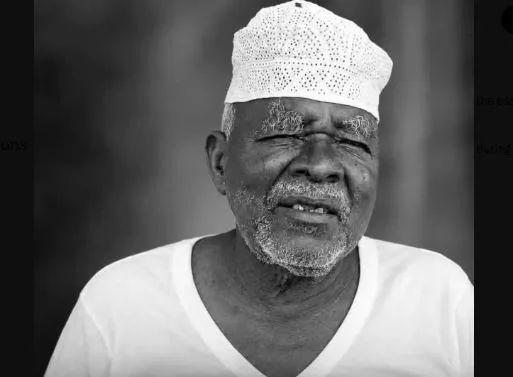
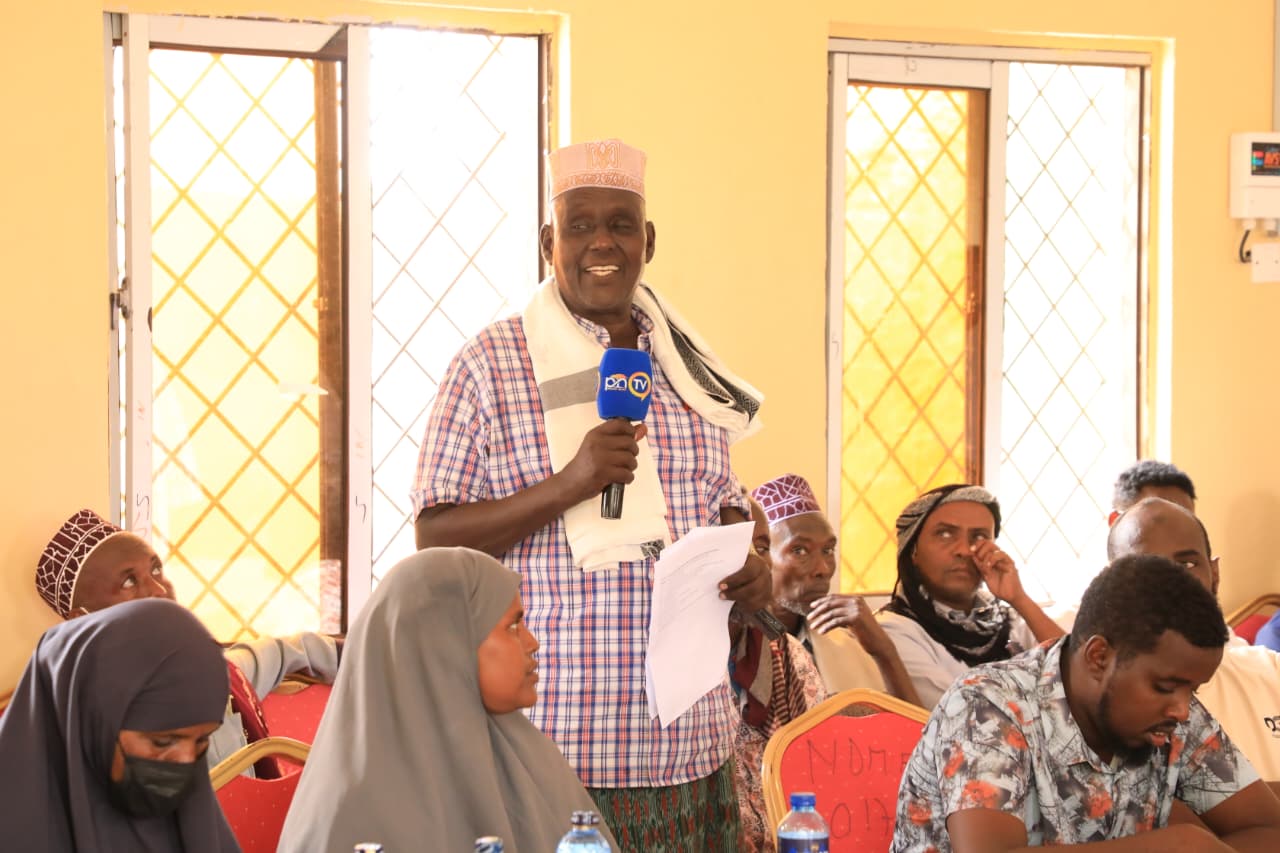
Retired chief Issack Ali said the borehole marked a major turning point for the community that has long struggled with water scarcity and the social and economic effects of limited access to safe water.
“If I start narrating to you the situation that we have gone through for decades for lack of water, some of you will start crying. It has been hell on earth,” Ali said.
“Living without water for 29 years is not easy. Key sectors like education and health have suffered the most.”
“On behalf of Gerille people, we thank the British Embassy for helping us realise this borehole. We thank the county government and the national government and all the partners in the project,” Ali added.
Elder Mohamed Hussein praised the UK and Kenyan governments, noting that years of limited access to clean and safe water had placed immense pressure on livelihoods and contributed to insecurity in borderland areas.
“The new borehole is expected to ease our burden by providing reliable, clean and safe water for our households and livestock,” he said.
“The water will also go a long way in reducing competition over resources and strengthening stability among our border communities. As you are aware, the scramble over the little available water has been one of the biggest contributors to clashes witnessed in the past.”
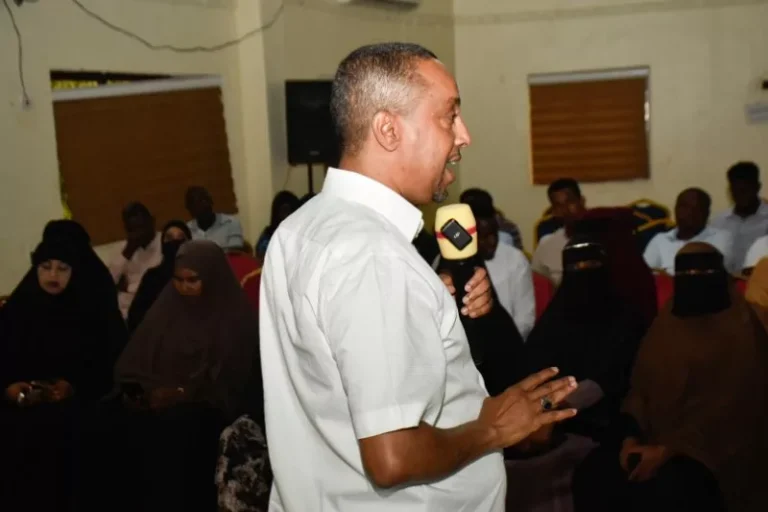
MP Adow said the project addressed one of the most urgent needs facing his constituents.
“Today, I would like to express my sincere gratitude and appreciation to Deris Wanaag and the British High Commission in Kenya for their generous support and partnership in making this important water project a reality for our people in Geriley location,” he said.
“This initiative is more than just a development project, it is a lifeline for our community. Access to clean and safe water is a basic human need and a fundamental right.”
Fisher emphasised the importance of long-term partnerships and community-led initiatives.
“This borehole is a practical example of how collaboration can help communities cope with challenges associated with climate pressures, the influence of violent groups such as al Shabaab and the risk of conflict over limited resources,” he said.
With UK funding amounting to Sh2.5 billion, Deris Wanaag has blended security, development and peacebuilding into a unified approach.
The programme combined “soft” strategies — such as conflict resolution, community dialogue, early warning systems and rapid response mechanisms — with targeted interventions identified by the Ministry of Interior.
Deris Wanaag, meaning “good neighbourliness,” is a regional peace and security programme focused on reducing instability in the Kenya–Somalia–Ethiopia border areas.
It leverages strategic UK partnerships with stakeholders at regional, national, county, and community levels, integrating security, development and peacebuilding to address regional insecurity and support local conflict resolution.