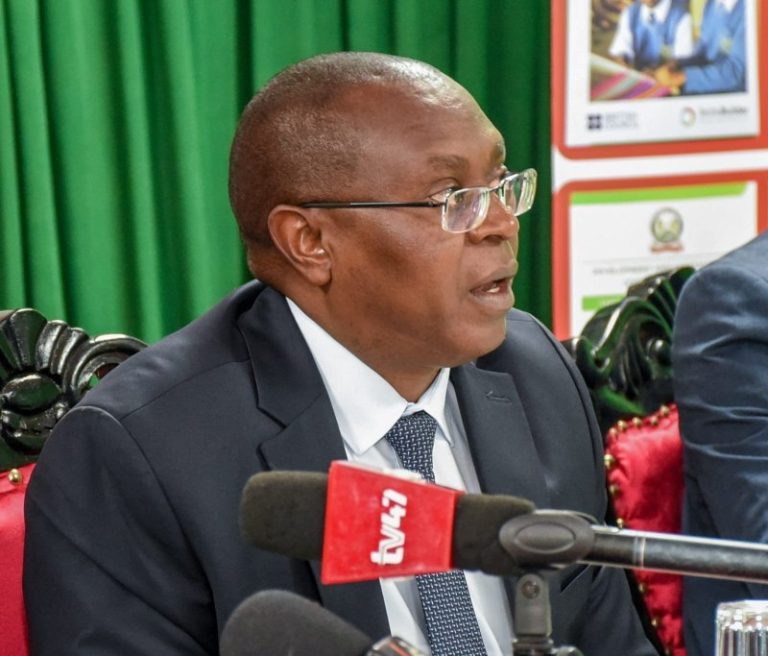



Kenya’s Treasury Bill auction on Thursday, February 27, exceeded its target by KSh 12.5 billion after receiving overwhelming bids. Kenya’s Treasury Bill auction received excess bids. Inset is CBK governor Kamau Thugge. Photo: CBK. Source: Facebook How Treasury Bill auction surpassed target In its weekly bulletin on Friday, February 28, highlighting monetary and financial developments, the Central Bank of Kenya (CBK) revealed it advertised KSh 24 billion, but received bids worth KSh 36.5 billion. This represented an oversubscription of 52.3%, underscoring strong investor appetite for government securities, driven by competitive returns and ample market liquidity. “The Treasury bill auction of Thursday, February 27, received bids totalling KSh 36.5 billion against an advertised amount of KSh 24.0 billion, representing a performance of 152.3%,” CBK stated. How to invest in Treasury Bills According to CBK, Treasury Bills are a safe, short-term investment that yields profits after a comparatively small initial outlay of capital. Because they are up for auction every week, Kenyan Treasury bill rates are appealing and offer a great investment opportunity that is easily accessible. There is a discount on Treasury bills. This implies that investors pay less than the face value of the bill when they buy it, which is the amount they would receive when the bill matures.
Kamau Thugge was named the African governor of the year in 2024. Kenyans can invest in T-Bills through the Dhow CSD portal and mobile application. Individuals and corporations alike can make investments through their local commercial and investment banks acting as custodians. The interest rates on the 91-day, 182-day and 364-day Treasury bills are 8.9369%, 9.2396% and 10.5001%, respectively. What’s the value of KSh and forex reserves? The week ending February 27 saw the Kenyan shilling remain steady when compared to regional and international currencies. On February 27, it was worth KSh 129.31 to the US dollar, while on February 20, it was worth KSh 129.45. On the other hand, the usable foreign exchange reserves were adequate at USD 9,057 million (KSh 1.17 trillion), or 4.6 months’ worth of import cover. This satisfies the CBK’s mandate to try to keep import coverage for at least four months. What’s the new CBK rate? The CBK cut the base lending rate from 11.25% in December 2024 to 10.75% in February 2025, following the strengthening of the shilling. Commercial banks lowered their loan rates for consumers following CBK’s directive to reduce interest rates. Equity Bank, KCB, and Co-op Bank Kenya were among the first lenders to cut their loan rates. Raimond Molenje, the CEO of the Kenya Bankers Association (KBA), praised the lenders’ decision to lower loan fees, stating that it was part of their commitment to grow the economy.
by Japhet Ruto