As the impact of climate change intensifies, experts meeting in Nairobi have urged African leaders to speak in one voice while pushing a common agenda during the upcoming climate change conference.
Speaking in Nairobi ahead of the 31 Edition of Conference of Parties, the African Group of Negotiators expressed fury that the past pledges have not been delivered.
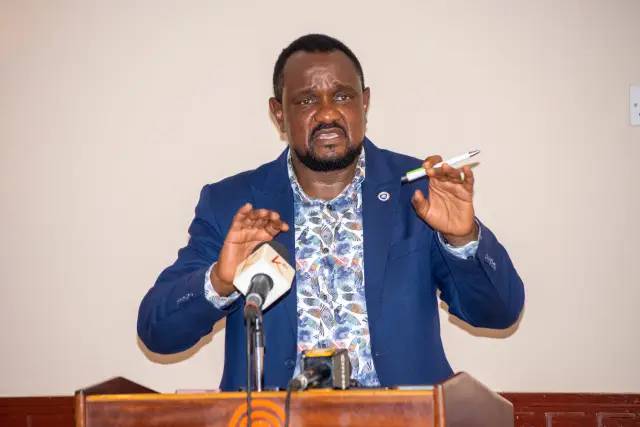
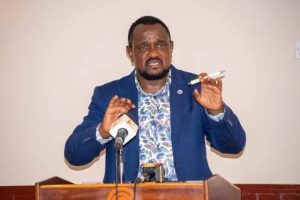
African Group of Negotiators (AGN) Chair Dr Nana Antwi said the coming Conference later next month was coming at a time when the credibility of the climate process is increasingly being judged by its capacity to deliver.
“The challenge before us now is increasingly about what happens after those decisions are adopted. Do those decisions create the enabling conditions for countries to implement their National Adaptation Plans and Nationally Determined Contributions?” he posed.
Antwi said all interventions at the global level must unlock finance, build the capacity of national institutions and leave African countries with greater policy and fiscal space to pursue climate resilient development.
The chair said Africa is seeking for implementation of the past decisions.
“It must mean turning commitments into action, finance that is accessible, technology that can be deployed, stronger national capacity, and adaptation plans that can move from paper to investment. Most importantly, it must mean delivering on commitments already made under the Convention and the Paris Agreement.”
Antwi said Africa is not asking for charity even as it pushes to for an international financial architecture capable of responding fairly to a global problem for which responsibility and vulnerability are profoundly unequal.
He said the international system must deliver, but Africa must also be ready to convert available opportunities into potential at scale.
Antwi said the continent must maintain pressure on loss and damage as there are impacts to which communities can no longer adapt.
“Homes are lost, productive lands disappear, livelihoods are destroyed, cultural heritage is threatened. Governments are forced to divert scarce development resources to repeated recovery and reconstruction as a result of climate disasters. The fund for loss and damage, therefore, must become increasingly accessible, adequately resourced, and responsive to the realities of vulnerable developing countries.”
Antwi said Africa supports a global transition towards low emission and climate resilient development, but no single template fits that transition.
“For Africa, a gas transition must recognize energy access, poverty eradication, food security, decent jobs, industrialization, and the right to development. It must recognize that millions of Africans still lack access to modern energy and clean cooking.”
UNEP Director and Regional Representative for Africa Dr. Rose Mwebaza said there is a need for capacity building of ministers in the continent for them to deliver at the global level adding that negotiations are won through strategic cooperation and coordination.
“They are also won through confidence that comes when our political leaders stand on the global platform and speak with a robust analysis and real-time technical support from yourselves for Africa.”
Mwebaza said ministers carry the immense political responsibility as they speak for the continent.
“They are expected to defend Africa’s interests while simultaneously navigating highly technical discussions on climate change.”
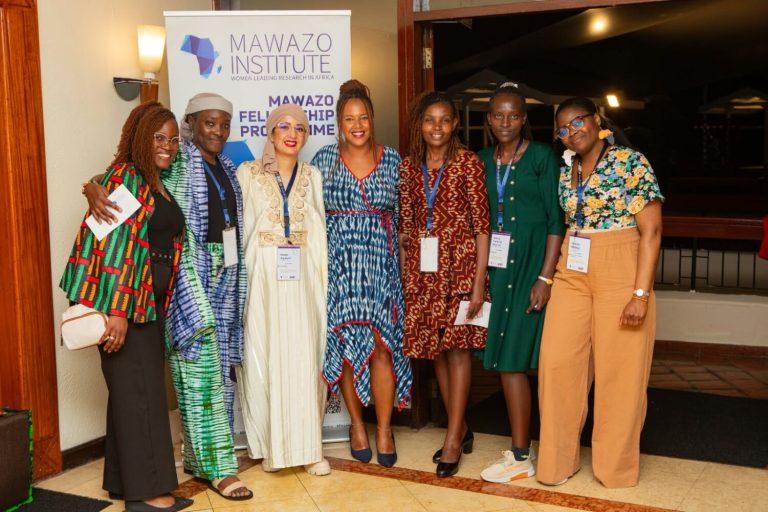
The two-day meeting which has been convened by African Group of Negotiators Experts Support (AGNES) focused on agriculture and food security, the Global Goal on Adaptation (GGA), adaptation finance, gender, and oceans.
It reviewed Africa-focused frameworks and knowledge products aimed at supporting climate negotiations and the translation of COP decisions into practical action.
Studies indicates that African countries are on average losing 2–5 percent of Gross Domestic Product (GDP) and many are diverting up to 9 percent of their budgets responding to climate extremes.
A World Meteorological Organisation State of climate in Africa 2023 report showed that the cost of adaptation to the impact of climate change in sub-Saharan Africa is estimated to be between US$ 30-50 billion annually over the next decade, or 2-3 percent of the region’s GDP.
By 2030, it is estimated that up to 118 million extremely poor people (living on less than US$ 1.90 per day) will be exposed to drought, floods and extreme heat in Africa, if adequate response measures are not put in place.
This will place additional burdens on poverty alleviation efforts and significantly hamper growth, according to figures cited in the report.