


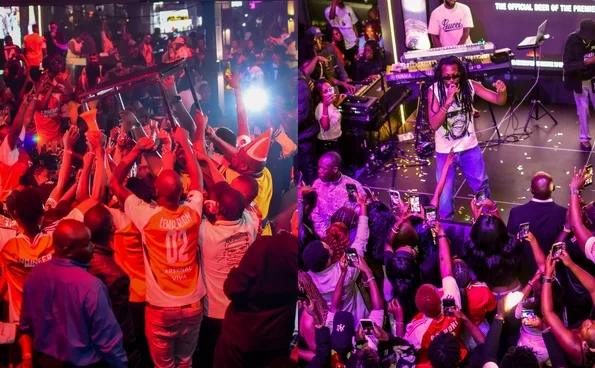
Bongo Flava is seemingly experiencing a renewed wave of love among young Kenyan music fans, with Tanzanian sounds progressively becoming part of the local entertainment and weekend scene.
While Afrobeats, Amapiano and hip-hop continue to shape public debate among young listeners, Bongo music has maintained its status, with some of its biggest stars and songs regularly featuring in Kenyan playlists, social media trends and entertainment events.
A new generation of music fans, content creators, and trendsetters has rekindled a deep, passionate romance with Bongo Flava.
But this isn’t just a simple nostalgia trip back to the mid-2000s era of Diamond Platnumz or Alikiba; Gen Z has taken Swahili coastal culture, infused it with modern internet humor, and turned it into a full-fledged lifestyle aesthetic.
KonQa highlighted this growing appetite for Bongo sharing a weekend entertainment lineup featuring hitmaker Chris Kaiga on Saturday alongside a dedicated Bongo brunch hosted by radio icon Mzazi Willy M Tuva on Sunday.
The post described the lineup as a way to get the weekend sorted, with the events bringing together music, entertainment and the social experience that has become a major part of Nairobi’s weekend culture.
The Fashion Crossover: The Rise of the “Backless Dera”
As Bongo Flava reclaims its throne, coastal Swahili aesthetics have swept through Kenyan urban street style, led by meteoric rise of the Backless deras.
The dera has been reimagined in more daring cuts, with backless designs becoming more popular among young women looking for outfits that work for brunches, parties and holiday content.
The TikTok Movement: “Anasema Kuja Dar Hatuwezi…Kwa Nini?”
No trend in 2026 thrives without a viral digital engine, and TikTok has served as the ultimate catalyst for the Bongo resurgence.
A central driver of this trend is the viral soundbite centered on the phrase “Anasema kuja Dar hatuwezi…kwa nini?” (He/she says we can’t come to Dar es Salaam… why?).
Originally rooted in playful cross-border banter between Kenyans and Tanzanians, the sound quickly mutated into a widely used meme structure across East African social media.