


Kenya’s newly enacted Sovereign Wealth Fund Act has received an early endorsement of its ambitions but also a warning from the International Monetary Fund (IMF).
In a report published last week, the international lender says countries establishing such investment vehicles must build strong legal and governance frameworks to safeguard public wealth and maintain investor confidence.
The warning comes just weeks after Kenya created the legal framework for its sovereign wealth fund, designed to invest and preserve revenues from natural resources and selected state assets.
This, as the country seeks alternatives to debt-financed development.
The IMF notes that sovereign wealth funds have become some of the world’s most powerful institutional investors, managing more than $16 trillion (about Sh2 quadrillion) in assets globally, compared with about $3 trillion (Sh388 trillion) in 2008.
According to IMF, their mandates have expanded well beyond stabilising government budgets and saving wealth for future generations to financing infrastructure, industrialisation and strategic national development.
“Their ability to act nimbly, diversify public wealth, and invest for the long term have important and lasting benefits for citizens today and future generations,” the IMF says.
However, the lender cautions that rapid expansion without clear legal mandates, transparent governance and accountability could undermine public trust and expose funds to political interference.
As governments increasingly use sovereign wealth funds to pursue economic transformation, the IMF says their legal frameworks must clearly define investment objectives, governance structures, reporting requirements and oversight mechanisms.
For Kenya, the timing of the warning is significant.
The Sovereign Wealth Fund Act establishes a framework for managing and investing proceeds from petroleum revenues, mining royalties, dividends from government investments in resource enterprises, privatisation proceeds and other approved sources.
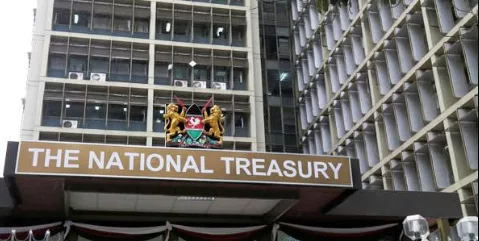
According to the National Treasury, the fund is intended to preserve wealth for future generations, cushion the economy against external shocks and finance commercially viable strategic investments while protecting the principal capital.
It sees the fund as part of a broader shift away from borrowing towards mobilising domestic and private capital.
Alongside the newly established National Infrastructure Fund, the sovereign wealth fund is expected to attract investment from pension funds, sovereign investors, private equity firms and development finance institutions, reducing reliance on expensive public debt for infrastructure financing.
Initial capital is expected to come from the government’s ongoing privatisation programme, including the planned sale of a 15 per cent stake in Safaricom and a future stake sale in the Kenya Pipeline Company.
The government has previously indicated the Kenya Pipeline transaction alone could raise about Sh130 billion, providing a significant capital base for the new investment vehicles.
The sovereign wealth fund forms part of Kenya’s strategy to tackle one of its biggest fiscal challenges: a public debt burden that has climbed to around 70 per cent of GDP, leaving the country with one of Africa’s highest debt-service-to-revenue ratios.
Years of debt-funded infrastructure spending have squeezed fiscal space, prompting the government to seek new financing models that rely more on investment returns than additional borrowing.
State officials argue that by investing resource revenues and returns from state assets rather than spending them immediately, Kenya can create a permanent pool of capital capable of financing future development while insulating public finances from commodity price swings and economic shocks.
Even so, IMF says such ambitions are achievable only if governments resist turning sovereign wealth funds into off-budget spending vehicles.
It insists that the funds should operate under independent management, clear investment mandates and robust disclosure standards to ensure they deliver sustainable long-term returns rather than short-term political gains.