

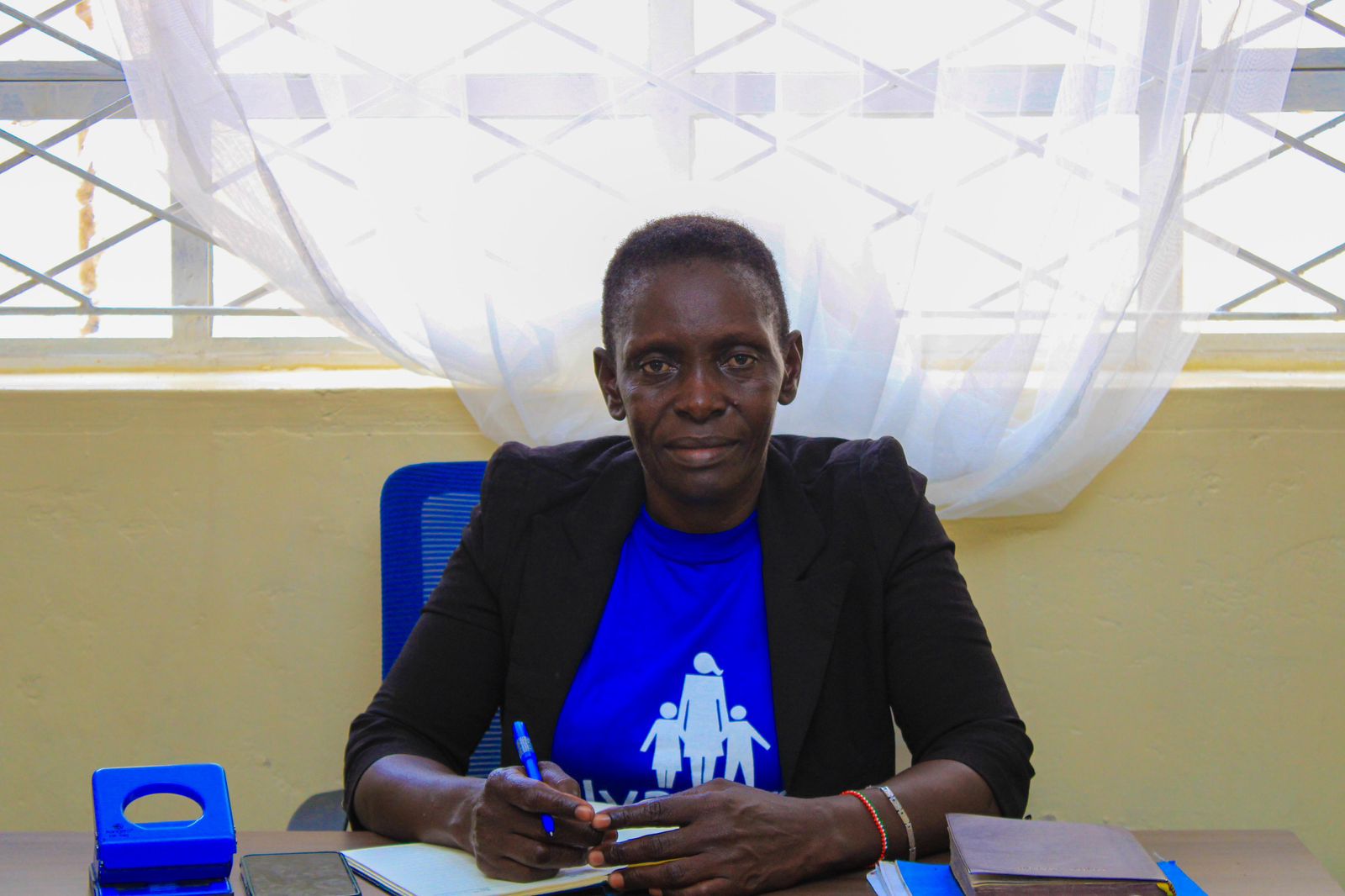
When her husband died in 1995, Helida Leah was left with nothing but a daughter and an uncertain future.
During their four years of marriage, the couple had three children, but two died, leaving her with one surviving child.
“At the time of my husband’s death, the dowry had not been paid and, as a result, my family told me I had no right to anything. I had no land, no house and no means to sustain myself,” she recalls.
Life quickly became unbearable.
“I survived on menial jobs. I tried staying with different relatives, but their kindness had limits. Some would accommodate me for a while, then grow tired of me. I became like a parcel passed around, with nowhere to call home,” she says.
Leah tried selling maize, but the profits were too meagre to sustain her and her daughter.
Hope finally came when she joined Nyanam Widows Rising, a Kisumu-based organisation that equips widows with leadership skills and livelihood opportunities for positive community transformation.
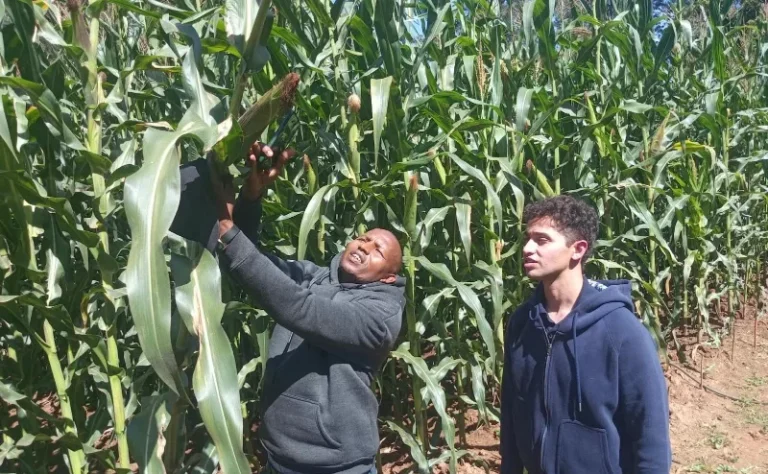
Through the organisation’s training programmes, Leah learnt farming, leadership and financial management skills that helped rebuild her life.
“One training changed me profoundly: learning how to process legal documents. I obtained my husband’s death certificate. That may sound small, but for a woman who had been denied everything, that document was power. It meant I could apply for his pension. It meant I officially existed,” she says.
Today, Leah is a farmer, community health promoter, preacher, landlord and grandmother. Despite years of hardship, she managed to build a home and restore her dignity.
Like Leah, Rose Achieng’ also rose from rejection and silence to renewed purpose after losing her husband in 1999.
Her husband, his mother’s only son, died after battling illness for three years.
“In those final years, he lived in town with another woman while I stayed in the village. People whispered, then they shouted. They said I was the reason he was sick, that I had cursed him, that my presence was poison,” she recalls.
After his burial, Achieng’ struggled to rebuild her life.
“I worked in people’s farms alongside my son. We had nothing. The company my husband worked for refused to release his benefits,” she says.
During that difficult period, she heard about Nyanam and joined the organisation.
“We studied the Bible and listened to stories from other widows. Sharing our experiences made me realise I was not alone. I could finally leave my house and walk with my head held high,” she says.
Through the organisation, she received training in agriculture, trauma healing, leadership and land rights advocacy.
“They sent me for leadership training and, when I came back, I started empowering other widows,” she adds.
Today, Achieng’ says she lives with renewed purpose. She leads a church, understands her rights, owns land and speaks confidently about widowhood and women’s empowerment.
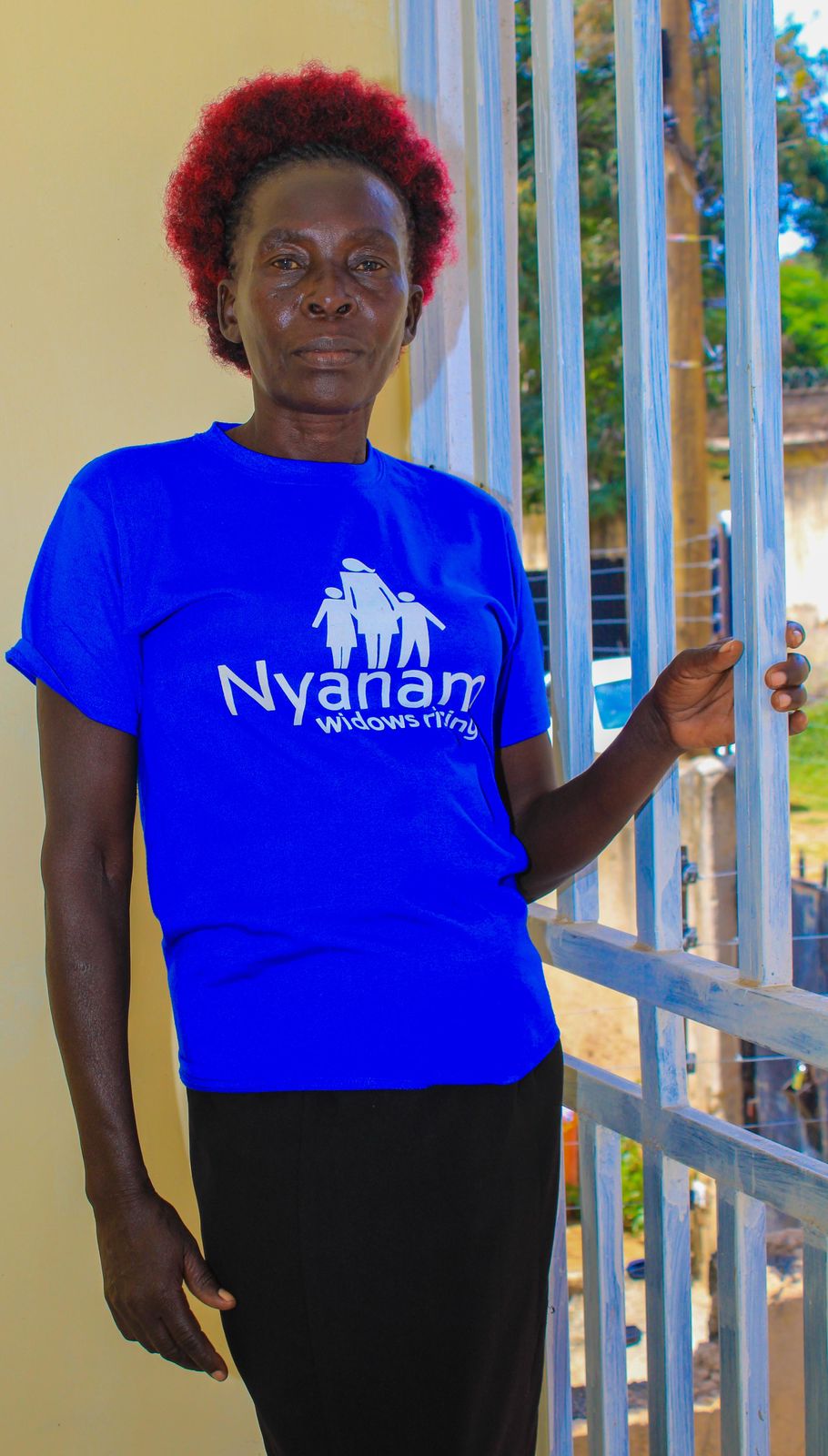 Rose Achieng’ – Widowed in 1999
For Beatrice Adhiambo, 46, widowhood once felt like the end of life itself.
Adhiambo, who comes from Gem Yala in Siaya county, lost her husband three decades ago and still remembers the pain vividly.
“If someone had told me then that I would one day speak confidently, teach others and lead, I would have laughed through my tears. I was broken. I honestly did not think I would survive,” she says.
At the time, she accepted hunger and dependency as part of her reality.
“Sometimes I begged for food. Sometimes my children slept hungry,” she recalls.
Her turning point came through table banking lessons offered at Nyanam.
“I took a loan from our table banking group and started selling mandazi. That is where the change began. Slowly, with each sale, I began standing on my own again,” she says.
Rebecca, 59, says nothing could truly prepare her for the realities of widowhood.
Widowed in 2000, she suddenly found herself carrying the full responsibility of providing for her family after the death of her husband.
“My husband meant the world to me. After his death, everything changed. I immediately became the sole breadwinner for the family,” she says.
According to Rebecca, sharing experiences with fellow widows has helped many women heal emotionally and regain confidence.
“We realised we had so much in common. That gave us strength,” she says.
Jackie Odhiambo, the founder and executive director of Nyanam Widows Rising, says one in three widows in Kenya experiences stigma linked to widowhood.
“Stigma is the root cause of many of the health, economic and social inequalities widows face. Addressing it is the reason Nyanam exists,” she says.
Founded in 2012, the organisation focuses on leadership development, health, livelihoods, justice and youth education.
“Our work helps alleviate widowhood-related poverty, mitigate the impact of HIV-Aids, and equip widows with tools to challenge oppressive cultural, economic and social practices that undermine their dignity and limit their agency,” she says.
Over the past four years, the organisation has expanded its reach from supporting 80 widows to more than 800.
Evelyne Odhiambo says the courage displayed by widows inspired the organisation’s storytelling initiatives.
“The courage these women showed in the face of stigma and their fight to be seen, heard and respected inspired this anthology,” she says.
She said the organisation also supports widows’ children through school fees assistance and youth mentorship programmes focused on environmental stewardship, health education and technology.
Globally, more than 258 million widows continue to face discrimination, exclusion and economic hardship.
Many are denied inheritance rights, lose property after the death of a spouse and face harmful stigma linked to disease and cultural beliefs.
In 2022, the United Nations adopted resolutions condemning discrimination and violence against widows and urging member states to eliminate harmful traditional practices.
The resolutions call on governments to guarantee widows access to inheritance rights, legal support, healthcare, economic relief programmes, fair labour opportunities and social protections that are not dependent on marital status.
Once dismissed, isolated and silenced, these women are now standing tall in their communities as farmers, preachers, mentors, businesswomen and leaders.
Their scars remain, but so does their courage.
And through the power of storytelling, widows who were once hidden in the shadows are finally being seen.