

Calls are mounting on the government to fully enforce menstrual hygiene laws amid growing concerns that thousands of girls and women continue to struggle to access affordable sanitary products.
As the country prepares to mark this year’s Menstrual Hygiene Day on May 28, teachers, health workers, parents and community organisations say the failure to implement existing policies is exposing girls to school absenteeism, stigma and exploitation.
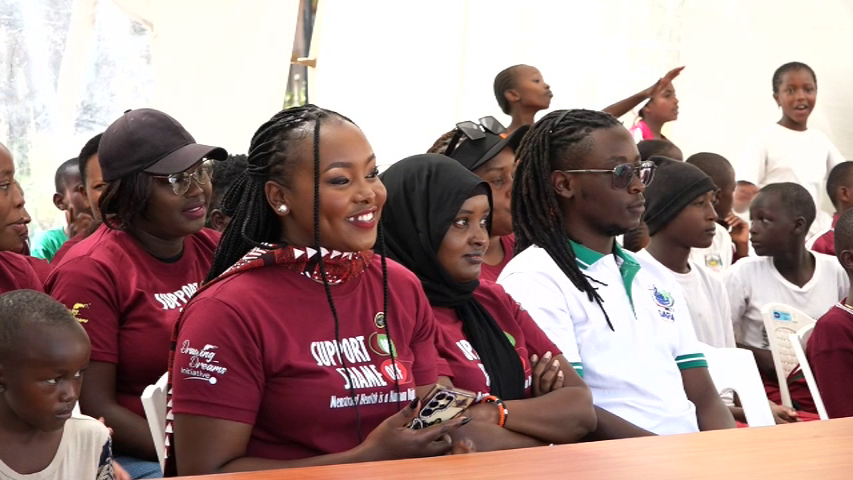
Speaking during a menstrual health awareness forum at Nanyuki DEB primary school in Laikipia county, stakeholders urged both national and county governments to prioritise menstrual health beyond annual commemorations.
“We have a policy on this but the implementation has been very minimal because there is no investment and intention in ensuring that period poverty ends,” Grace Wanene said. She is the founder of Drawing Dreams Initiative (DDI), an organisation that empowers underserved adolescents.
Wanene said the high cost of sanitary towels has forced many girls to miss school, with some exposed to abuse and exploitation while trying to access menstrual products.
“Currently, they say six in 10 women cannot afford menstrual products. You have to choose between pads and food at this time and age,” she said.
The Kenya Menstrual Hygiene Management 2019-2030 developed by the Ministry of Health seeks to ensure that women and girls have access to safe, affordable and dignified menstrual health services.
The policy also focuses on ending stigma surrounding menstruation, improving sanitation facilities in schools and public institutions and strengthening reproductive health education among adolescents.
It complements provisions in the Basic Education Act of 2017 which obligates the national government to provide free, sufficient and quality sanitary towels to every adolescent girl enrolled in public basic education institutions.
However, a report published by the United Nations Population Fund (UNFPA) in June last year indicated that implementation gaps still remain significant, with 45 per cent of girls facing difficulties accessing menstrual hygiene products while 33 per cent experience constant shortages.
It further confirmed that nearly one million girls miss school for three to four days every month due to lack of sanitary products and inadequate sanitation facilities.
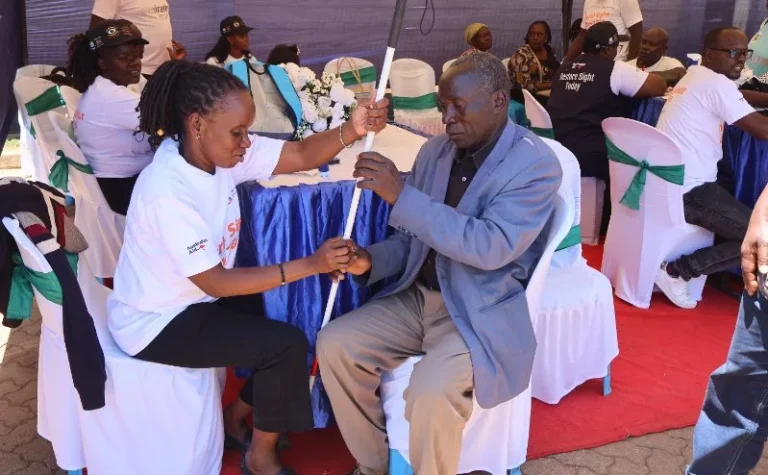
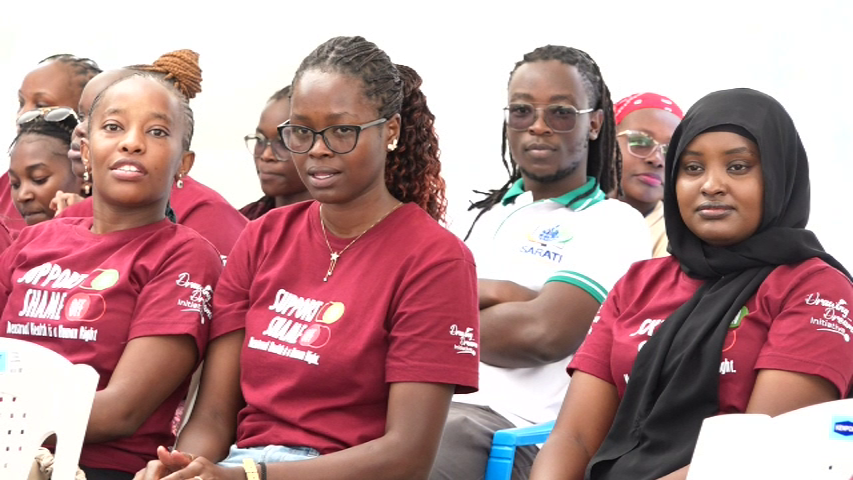 Members of the community during a menstrual health awareness event held at Nanyuki DEB Primary School in Laikipia County on May 17, 2026/ ALICE WAITHERA
Wanene said some girls also suffer severe menstrual pain and bullying from peers due to lack of proper understanding about menstrual health.
At Nanyuki DEB primary school, teachers noted that many girls continue to suffer silently due to lack of menstrual health support and limited awareness in schools and communities.
“When it comes to sanitary towels and even personal hygiene, many of them have not had people to guide them through that journey,” school headteacher Virginia Nteere said.
Nteere called on the government to strengthen support for schools through menstrual health education programmes and partnerships with community organisations working to address period poverty.
The situation is even more difficult in some rural and pastoralist communities where menstruation is still treated as a taboo subject.
Fatuma Galmagar, a nurse from the Rendille community, said many girls are isolated during menstruation and prevented from participating in normal daily activities due to cultural beliefs.
“As a pastoralist community, they still stigmatise issues of menstruation. They take it as a taboo and when a woman is menstruating, they believe she cannot participate in day-to-day activities,” she said.
Galmagar said many schools in remote areas lack sanitary towels and proper reproductive health education, forcing girls to miss classes and suffer in silence.
She challenged county governments to support menstrual health initiatives consistently instead of limiting discussions to annual awareness days.
“It should not only be talked about during global menstrual hygiene days. It should be a day-to-day conversation for every girl at home, at school and within the community,” she added.
Stakeholders also raised concern over poor sanitation infrastructure in schools, saying many washrooms lack privacy, clean water and proper disposal facilities, making it difficult for girls to manage menstruation with dignity.
Lamuria assistant county commissioner Kimberly Champaigne warned that lack of access to sanitary towels has also exposed vulnerable girls to sexual exploitation.
“A packet of pads can be the difference between prosperity and abuse for a young girl,” she said.
She noted that some girls are lured into exploitative relationships in exchange for sanitary products, contributing to rising cases of teenage pregnancies and school dropouts.
“We have seen cases of sex for pads and these are things we must address as a society. Empowering girls and boys with accurate information helps them make informed decisions and protects them from exploitation,” she added.
The awareness event brought together more than 60 volunteers drawn from Laikipia and neighbouring counties including Marsabit, Isiolo and Samburu.