


Kenya has not abandoned plans to grant tax relief to low-income earners, Treasury CS John Mbadi has said, reaffirming that individuals earning Sh30,000 and below could soon enjoy tax free salaries.
Those earning Sh50,000 and below are also under consideration for tax cuts under ongoing fiscal reforms tied to the 2026-27 budget.
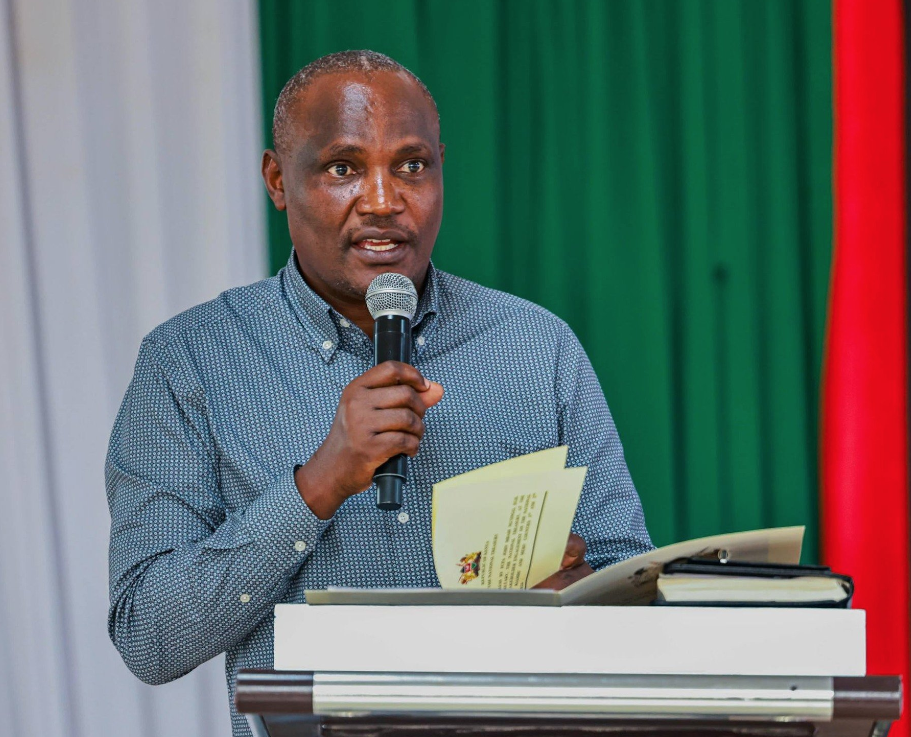
Speaking at a Public-Private Partnerships forum in Nairobi, Mbadi said the government is finalising proposals before the conclusion of the Finance Bill, dismissing claims that the promised relief measures had been shelved.
“We are working towards making sure that those who are earning 30,000 and below don’t pay taxes and those who are earning 50,000 and below have lower tax rates than what we are seeing today,” Mbadi said.
“I want to clarify very clearly because I can see some confusion in the media that this has been abandoned. Far from it, we are working on it.”
The CS described the move as part of a broader government policy aimed at easing pressure on struggling households, while expanding the tax base to capture more non-compliant taxpayers instead of overburdening salaried workers.
Mbadi said the government’s approach is to widen the personal income tax bracket while reducing pressure on low-income earners.
“Those who are earning low income need to get relief and we go for those who should be paying taxes and they are not paying taxes,” he stated, indicating an intention to tax the wealthy more.
He added that Kenya no longer has room to continue increasing taxes due to mounting pressure on households and businesses.
“The taxpayer is already strained and complaining and we have no space left to increase taxes. As a matter of fact, now we must reduce the tax rates.”
The remarks come as the government prepares the 2026-27 budget amid rising debt servicing costs and shrinking access to concessional funding from international lenders.
Mbadi painted a grim picture of the country’s fiscal position, revealing that nearly half of ordinary revenue is currently going toward debt repayment.
According to the CS, Kenya is projected to spend about Sh1.5 trillion on debt servicing in the 2026-27 financial year. Another Sh1 trillion will go toward public sector salaries and counties are expected to receive over Sh420 billion in allocations.
The country’s total debt stood at Sh12.4 trillion as of January, Central Bank of Kenya data shows.
Mbadi warned that the country’s budget flexibility is rapidly shrinking, with the 2026-27 budget estimated at Sh4.6 trillion.
Kenya Revenue Authority is expected to collect Sh2.9 trillion to help fund the budget and repay loans, leaving the country with on option but borrow to bridge the gap.
“We don’t have space. Our budget is tight,” Mbadi said.
The Treasury boss said the government is increasingly turning to Public-Private Partnerships and innovative financing models such as securitisation and the newly established National Infrastructure Fund, to reduce dependence on borrowing and taxpayer-funded infrastructure development.
Mbadi’s remarks are likely to shape debate ahead of the Finance Bill and Budget 2026 discussions, especially amid public pressure over the high cost of living and concerns about excessive taxation.
The government is expected to unveil more details on the proposed tax relief measures in the coming weeks as Treasury finalises fiscal policy proposals for the next financial year.