


Families raising children with autism are intensifying calls for government support, with growing pressure to have therapy services included under SHA.
Kisumu Central MP Joshua Oron has pledged to champion policy reforms aimed at making autism care more accessible and affordable nationwide.
Speaking in his capacity as a member of the National Assembly Health Committee, the legislator acknowledged the heavy financial burden parents face in accessing therapy.
He noted that most autism-related services are largely confined to private health facilities, putting them out of reach for many households.
According to Oron, therapy sessions can cost up to Sh5,000 per week, an expense many families cannot sustain.
The MP further pointed out that public health institutions remain poorly equipped to provide essential services such as speech and behavioural therapy, forcing parents to turn to costly private alternatives.
He emphasised the need to strengthen capacity in public hospitals, particularly Level 5 and Level 6 facilities, to bridge the gap in care.
Oron warned that the lack of accessible services continues to widen inequality, especially for children with special needs from low-income families.
According to the World Health Organization, autism spectrum disorders are neurodevelopmental conditions that affect social interaction, communication, and behavior.
An estimated one in 100 children globally is living with the condition.
The global health body attributes autism to a combination of genetic and environmental factors, including advanced parental age, prematurity and prenatal exposure to certain medications.
It emphasises that autism is not caused by vaccines or parenting practices.
The WHO underscores the importance of early childhood interventions, recommending accessible health services, caregiver training and inclusive policies aligned with the UN Convention on the Rights of Persons with Disabilities.
It adds that support should focus on improving independence and quality of life through behavioural therapy, education and psychosocial care, rather than seeking a cure.
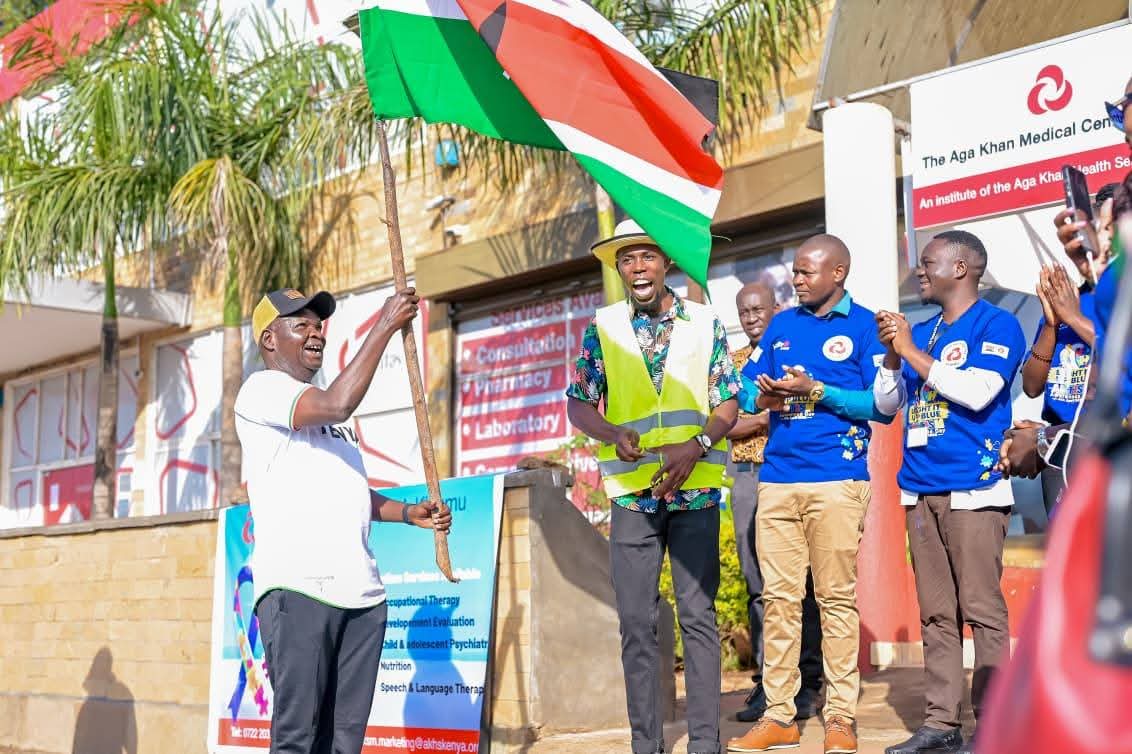
Oron spoke during an autism awareness event in Kisumu organised by Growing Minds in partnership with Aga Khan Hospital, where he called for urgent policy action.
“It is important that we ensure autism therapy is covered under SHA to ease the burden on families,” he said.
Oron said he is considering proposing legislation in Parliament to strengthen support systems for children with autism.
In addition, he raised concerns over the state of inclusive education, noting that many children with autism remain excluded or inadequately supported in mainstream schools.
He stressed that inclusion must go beyond enrolment to ensuring learners receive the support they need to succeed.
Speaking at the same event, Babra Amondi said the initiative aimed to educate parents while offering early screening and assessment for children who may be on the autism spectrum.
“April is Autism Acceptance Month, and today we are creating awareness, offering screening and assessments, and connecting parents with specialists who can guide them,” she said.
The event brought together psychologists, speech therapists, paediatricians and nutritionists, who trained parents on practical interventions that can be applied at home to support children with autism.
Amondi noted that the high cost of therapy continues to lock out many families, forcing some to forgo critical care.
“Therapy is very expensive, but if parents can learn some of these interventions and apply them at home, it can make a big difference,” she said.
She also urged the government to include autism therapy under SHA and invest more in special needs education.
“We need inclusive schools with trained teachers and the right resources. Just placing these children in regular classrooms is not enough; they need proper support to thrive,” she added.
Amondi further raised concern over persistent stigma in communities, saying misconceptions still prevent families from seeking help.
“There is still a lot of stigma because people don’t understand autism. Some even associate it with witchcraft, which is not true. We must continue educating communities,” she said.
She underscored the importance of early diagnosis, noting that timely intervention can significantly improve outcomes for children.
“Autism is unique because with early intervention, a child can improve over time. That is why early diagnosis is critical,” she said.