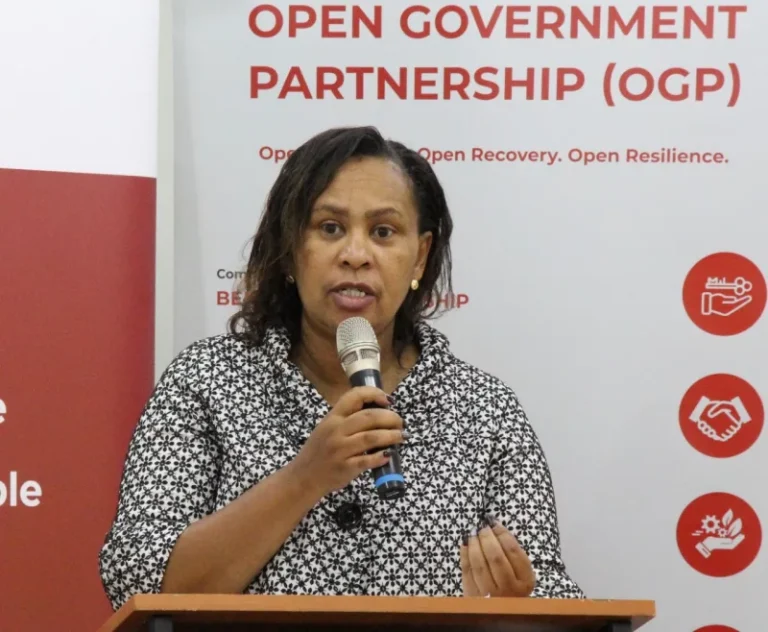



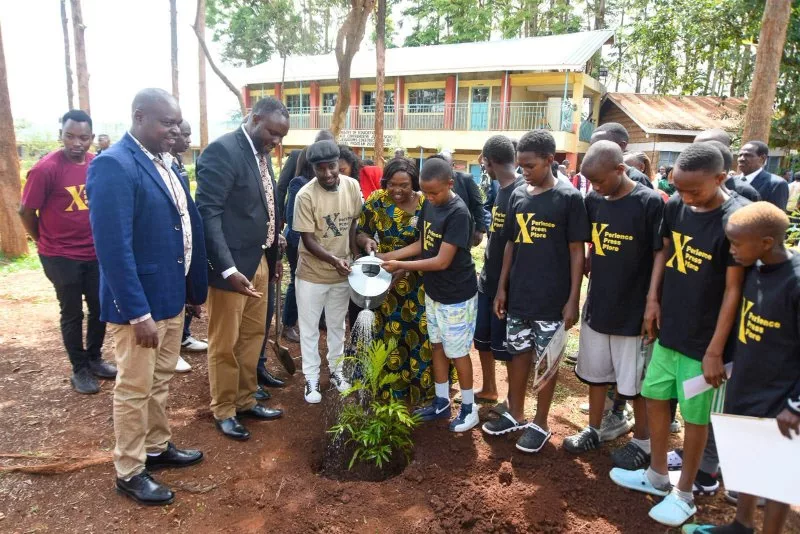
Dorcas Rigathi, wife of former Deputy President Rigathi Gachagua, has called for affirmative action targeting boys.
She argues that young men need greater attention in education, healthcare, mentorship and protection from drug and substance abuse.
Dorcas maintained that while interventions to empower girls had played an important role in addressing gender inequalities, similar efforts were needed to tackle challenges facing boys and young men.
She challenged parents, religious institutions and the government to recognise the struggles experienced by boys, whom she argued were increasingly being neglected in society.
Dorcas spoke during a rite-of-passage ceremony for young men in Gachie, Kiambu county.
“The affirmative action for the girl child was important, but now we need one for the boy child,” she stressed.
She called for equal opportunities in education and healthcare, arguing boys should receive the same attention and support extended to girls to enable them to develop their potential and participate meaningfully in society.
Dorcas said many boys were growing up in environments where their emotional needs were overlooked, with parents often discouraging them from expressing vulnerability or seeking help when experiencing difficulties.
She challenged mothers to change how they raise their sons, noting that boys were frequently ridiculed for crying, expressing their feelings, or seeking assistance, with some being told that such behaviour was a sign of weakness.
Dorcas warned that such attitudes could leave young men struggling with personal challenges without the necessary support, exposing them to negative influences as they transition into adulthood.
She further linked the growing problem of drug and alcohol abuse among young men to social rejection, negative peer influence and inadequate mentorship, urging families to take a more active role in guiding their children.
“Most of them get into drugs and alcohol because the community rejects them. They isolate the man. They talk badly about them,” Dorcas noted.
She cautioned young men against experimenting with drugs, warning that addiction often begins through peer pressure before progressing into dependency, which can lead to criminal behaviour and derail their ambitions.
Dorcas, who runs rehabilitation and empowerment programmes for young men, disclosed that some of the youths she had encountered in her interventions had been introduced to drugs by friends who encouraged them to experiment.
She explained that her programmes went beyond rehabilitation to equip recovering youths with vocational skills and connect them to employment opportunities to help them rebuild their lives and become economically independent.
Dorcas also expressed concern over the rising number of young men struggling with mental health challenges, including depression and suicidal thoughts, urging them to develop support networks through which they could openly discuss their problems.
She claimed universities were losing between four and 10 young people daily, most of them men, warning that the situation required urgent attention from families, learning institutions, and society.
Dorcas urged men to support one another emotionally instead of suffering in silence, arguing that creating spaces where they could freely discuss their challenges would help address distress and prevent unnecessary loss of lives.
On fatherhood and mentorship, she urged men to take responsibility for guiding young boys, particularly those growing up in single-parent households or without the presence of their biological fathers.
Dorcas maintained the absence of a biological father should not condemn a boy to grow up without male guidance, urging uncles, religious leaders and other responsible men to step in and provide mentorship.
She cited discussions with religious leaders on encouraging men in churches to take up mentorship responsibilities and support boys who lacked father figures.
“Those who can be able to stand in, please adopt a boy and make sure you are working with them,” Dorcas appealed.
She also urged mothers to respect the fathers of their children, arguing boys learn how to relate with others by observing relationships within their homes.
She said children who grow up witnessing disrespect between their parents could struggle to develop healthy relationships, urging families to demonstrate mutual respect and responsibility.
Dorcas further challenged society to change the negative perceptions often associated with young men, arguing that labelling them as thugs or troublemakers without understanding their circumstances could deepen their exclusion.
She called for greater recognition of the role men play in families and communities, noting they had responsibilities in raising children, providing for their families and contributing to national development.
She also urged young men to demonstrate discipline, respect their parents and women, avoid destructive behaviour, and take advantage of opportunities available to them to become responsible members of society.