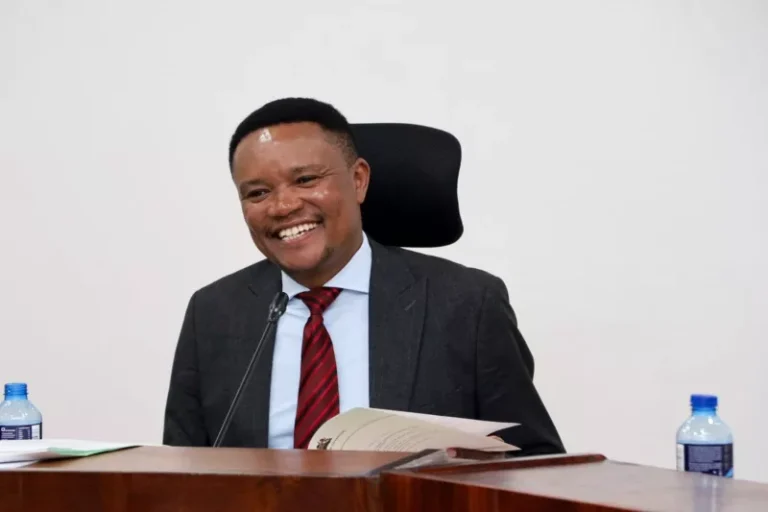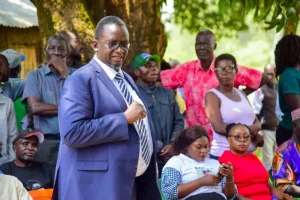

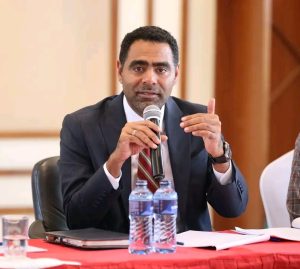


Deputy President Kithure Kindiki has challenged Kenyan youth to use the Internet responsibly, urging them to turn digital platforms into avenues for creating wealth instead of using them to insult political leaders.
Kindiki said social media had created unprecedented opportunities for young people to make money, market their businesses and build careers.
“In this market there is an ICT hub; our youths should stop being used to attack other leaders but can use the digital platforms to make money,” Kindiki said when he addressed a rally in Nessuit township, Njoro constituency in Nakuru County.
“It is not meant to insult leaders; don’t use it to insult leaders, but use it for digital jobs which are on that space.”
He cautioned against using the platforms to spread insults and abuse, saying political differences should not be an excuse for disrespect.
The DP further urged young people to take advantage of the digital economy, saying the Internet should be used to create opportunities rather than deepen political hostility.
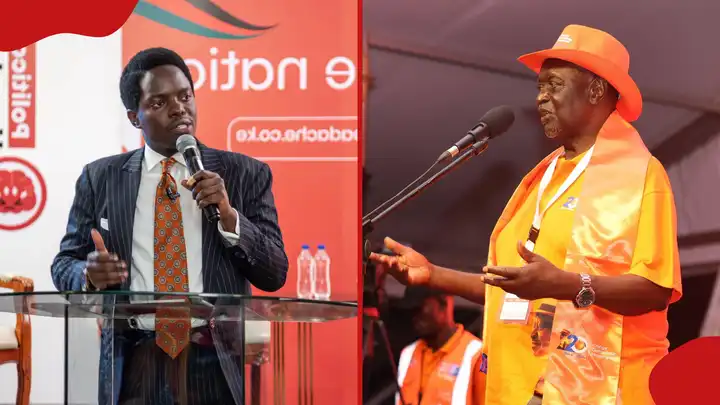
He also took aim at opposition leaders whom he accused of resorting to nicknaming leaders and insults instead of explaining their record in government.
Kindiki challenged the current opposition to tell Kenyans what they achieved when they held positions of power instead of spending their time attacking the current administration.
“Their main job is to give leaders nicknames; that is primary school-like thinking. Big people discuss national issues; we shall not stoop that low and be in that league of nicknames and insults,” Kindiki said.
He said Kenyans were more interested in leaders who could demonstrate what they had done and what they intended to do for the country.
The DP further defended the government’s UsawaNiSawa mantra, saying it was anchored on the principle of equal treatment and equitable development across the country.
He said the administration would continue investing in areas that had previously been neglected, insisting that no region should feel excluded from the country’s development agenda.
“We will make sure we have an equitable society, a country which respects every citizen without caring where they were born,” he said.
Kindiki said the government was focused on ensuring that development opportunities, infrastructure and public services reach all parts of the country.
He said the government’s development agenda was anchored on the equitable distribution of opportunities, regardless of citizens’ ethnic backgrounds, religion, age or place of birth.
“We will make sure we have an equitable country, a country that respects every citizen, without caring where they were born, without caring where they live, without caring whether they are old or young, and without caring about their religion or ethnicity,” he said.
“This Kenya does not belong to big people alone; it also belongs to small people and those at the grassroots. Even mama mboga is an important person. As we move forward, let us uphold the principle that usawa ni sawa.”
To illustrate the government’s development priorities, Kindiki cited ongoing market construction, road projects and electricity connections in Nakuru County.
He said the government had prioritised 870 kilometres of roads in the county at a cost of Sh38 billion, while electricity projects worth Sh3 billion were targeting an additional 25,000 households.
In Njoro constituency, he said Sh370 million had been set aside to connect an additional 3,200 households to electricity.
The Deputy President also highlighted the construction of modern markets in Nessuit, Mauche and Kihingo, saying the facilities would improve conditions for traders.
He challenged leaders to account for their time in public office by explaining what they had done to improve infrastructure and livelihoods in the areas they represented.
“When you come here as a leader, do not bring insults, contempt or tribalism. Tell us what you did,” he said.