



KENYA is seeking to turn its rapidly expanding built environment into a major platform for climate investment, with government and industry pushing for stronger standards, greener construction materials and financing mechanisms.
This is to accelerate sustainable and climate-resilient development.
The push comes as the country grapples with rising climate risks, including flooding, extreme heat, water stress, ecosystem degradation and damage to infrastructure, while simultaneously facing growing demand for housing, commercial buildings and public infrastructure.
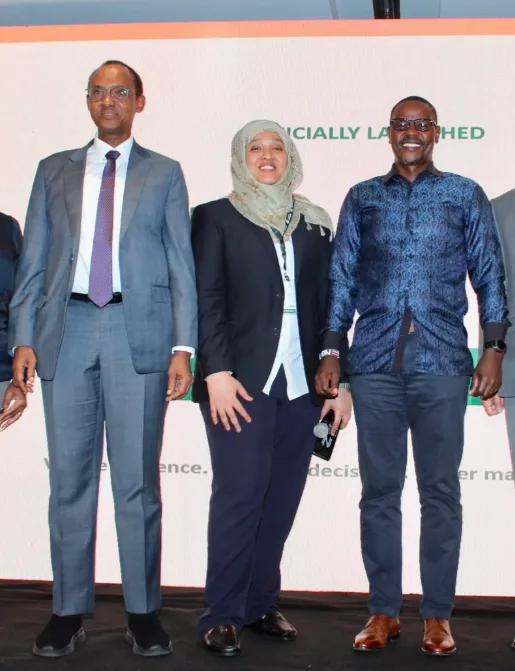
The Kenya Green Building Society (KGBS) has responded by launching the Kenya Sustainable and Resilient Built Environment Projects and Solutions Repository, a national market-development platform intended to improve the visibility of green projects, products, technologies and investment opportunities.
The repository was launched during the KGBS Annual Conference 2026, held under the theme “Kenya’s Green Transformation: Financing Innovation for Resilient Cities and Economies.”
The conference brought together government agencies, financial institutions, developers, manufacturers, investors, academia, professional bodies and development partners to examine how policy, finance, industry and project implementation can be connected to accelerate the country’s green transition.
Environment and Climate Change Principal Secretary Festus Ng’eno said Kenya must ensure that decisions being made today do not lock cities and communities into higher climate risks and inefficient infrastructure.
“Climate change is already affecting our cities and settlements through flooding, extreme heat, water stress, ecosystem degradation and damage to infrastructure,” Ng’eno said.
He said urbanisation and population growth were simultaneously creating significant demand for new housing, commercial buildings and public infrastructure.
“The choices we make today will determine whether this growth increases our exposure to climate risk or becomes an opportunity to build a more resilient, efficient and competitive economy,” he said.
The government is therefore seeking to address both operational emissions from buildings and embodied emissions generated during the production and transportation of construction materials.
This includes improving energy and water efficiency, integrating renewable energy, strengthening climate-resilient designs and protecting urban ecosystems.
It also brings the construction materials industry into the climate debate, particularly cement, steel, transport and other processes associated with the building value chain.
The transition presents both an environmental challenge and an emerging investment opportunity, as developers and financiers increasingly look for projects capable of demonstrating measurable environmental and social outcomes.
Ng’eno said the market must move beyond simply describing projects, products or financial instruments as “green”.
“We must be able to demonstrate the outcomes in terms of reduced emissions, energy and water saved, resilience strengthened, green jobs created and communities served,” he said.
Linking green projects to capital
A major focus of the KGBS initiative is to address the gap between sustainable projects and the capital required to develop them.
The repository will bring together information on three broad categories: certified green projects, non-certified projects progressing along a sustainability pathway, and products and solutions supporting sustainability, resilience and decarbonisation.
Where information is available, projects will include indicators such as investment value, emissions reductions, energy and water performance, renewable energy capacity, jobs created, beneficiaries and mitigation and adaptation outcomes.
The intention is to give policymakers, financiers, developers, investors and technical partners a clearer picture of Kenya’s pipeline of sustainable built-environment opportunities.
KGBS chief executive and ESG Lead, Nasra Nanda, said the transition requires stronger connections between the systems that determine how buildings and infrastructure are designed, financed and delivered.
“Kenya has a significant opportunity to position the built environment sector as a driver of sustainable urban development, resilience, investment mobilisation, industrial transformation and green growth,” Nanda said.
She said the country needed to move beyond isolated sustainability discussions towards practical implementation ecosystems linking standards, finance, materials, infrastructure, procurement and delivery systems.
The repository is expected to provide greater visibility for projects that could otherwise struggle to reach financiers, technology providers or implementation partners.
The initial phase will build engagement across Nairobi, Mombasa, Kisumu, Lamu and Laikipia, providing greater county-level visibility of sustainable and resilient built-environment projects.
The KGBS conference also placed sustainable finance at the centre of the built-environment transition.
KGBS has developed a “From Certification to Capital” position paper examining how standards, certification and verified building-performance information can improve project eligibility, risk assessment and access to finance.
The initiative is based on the premise that better information about a building’s energy consumption, water efficiency, emissions and resilience can help lenders and investors make more informed decisions.
The repository could therefore become an important link between projects seeking funding and financial institutions looking for credible green investment opportunities.
The challenge, however, remains ensuring that the projects entering the platform provide reliable, comparable and regularly updated information.
The Government is also looking at public procurement as a mechanism for creating demand for sustainable construction products and services.
The construction industry is a major consumer of materials, meaning efforts to reduce emissions from buildings will increasingly depend on the ability of manufacturers to develop and scale lower-carbon alternatives.
Green public procurement, experts say, could provide manufacturers with an incentive to invest in cleaner production and better-performing materials by creating a predictable market for such products.
The private sector, including developers, manufacturers, banks, professional bodies and technology providers, will also be expected to invest in innovation and provide transparent evidence of environmental performance.
Kenya’s sustainable-building agenda is also being linked to affordable housing, urban regeneration, industrial parks and existing buildings.
This is significant since green construction has often been associated with premium developments that can absorb the additional costs of certification, technology and specialised design.
KGBS is seeking to broaden the market by creating pathways for existing buildings, public infrastructure, affordable housing, manufacturers and developers that have not yet achieved green certification but are prepared to improve their environmental performance.
The objective is to make sustainability part of mainstream development rather than limiting it to high-end construction.
Building the Transition (BTT), a KGBS programme supported by the World Green Building Council, is providing an implementation framework for this effort.
In Kenya, the programme is organised around four areas which are policy and standards; materials, industry and decarbonisation; finance, risk and investment; and development, housing and implementation.
Meanwhile, Kenya will need to move from policy commitments to a pipeline of projects capable of attracting capital.
Ambassador Ali Mohamed, Special Envoy for Climate Change in the Office of the President, said the built environment sits at the intersection of infrastructure, economic development, resilience and climate action.
“Kenya’s climate ambition must translate into the places where people live, work and invest,” Ambassador Mohamed said.
“Strengthening the systems that connect sustainable projects with investment, technology and implementation will be critical to delivering this transition at scale.”
The conference identified several priorities, including stronger participation in the repository, continued development of policy and standards, deeper engagement with financial institutions on green finance and risk, greater visibility for lower-carbon materials and technologies, and practical pathways for sustainable and resilient development.
KGBS plans to use the conference outcomes to develop a coordinated 2027 action plan.
For Kenya, the emerging model seeks to connect policy with capital, materials with markets and climate ambition with actual projects.
PS Ng’eno challenged stakeholders to focus on four questions: which policy and regulatory barriers need to be removed; what evidence is required to unlock investment; which projects and solutions are ready to scale; and what contribution each institution can make.
“If we answer these questions honestly and act collectively, the built environment can become one of Kenya’s most important platforms for climate implementation,” he said.
The success of the green-building drive will ultimately depend on whether sustainable projects can move beyond conference commitments and certification into construction, financing, operation and measurable improvements in the lives of communities.