


Kirinyaga farmers are cutting production costs and improving crop performance after the county government established a seedlings propagation centre that provides quality planting materials closer to their farms.
The Seedlings Propagation Centre in Kangai, which was commissioned last year, has improved farmers’ access to certified, disease-free seedlings while reducing the cost and time previously spent sourcing planting materials from private suppliers.
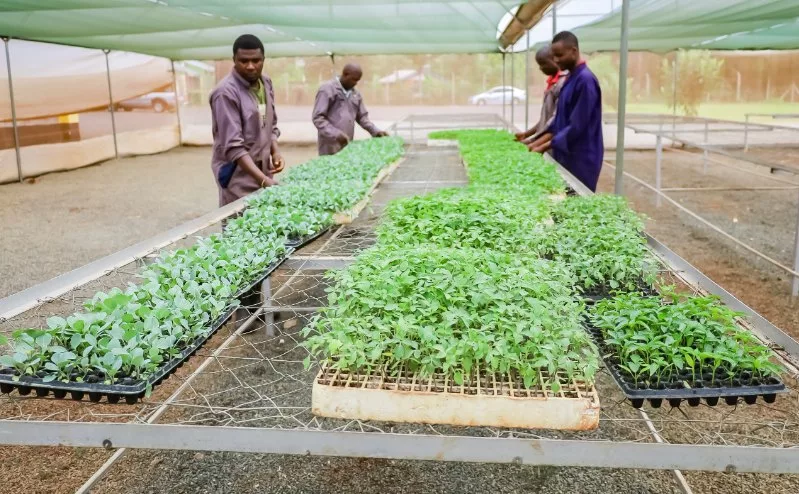
The facility, established under Governor Anne Waiguru’s Wezesha Kirinyaga programme, has the capacity to produce up to 400,000 seedlings for horticultural crops including tomatoes, cabbages, kales, spinach and African nightshade.
During a routine assessment of production at the centre, agriculture executive John Gachara said access to clean planting materials had remained a major challenge for horticultural farmers.
“Getting clean planting materials has been one of the key challenges for horticulture farmers. This particular centre ensures that our farmers get the correct materials which are clean and without disease, so that we can safeguard our soils and improve productivity,” Gachara said.
The centre uses certified seed and modern propagation technology to produce the seedlings under controlled conditions, while farmers also receive agronomic advice on crop establishment and management.
Gachara said the facility had already sold more than 100,000 seedlings over the past two seasons, allowing farmers to access planting materials locally instead of travelling to private suppliers within Kirinyaga or as far as Naivasha.
Farmers are saving about Sh200 per tray of seedlings, in addition to approximately Sh1,000 they previously spent on transport, depending on where they sourced their planting materials.
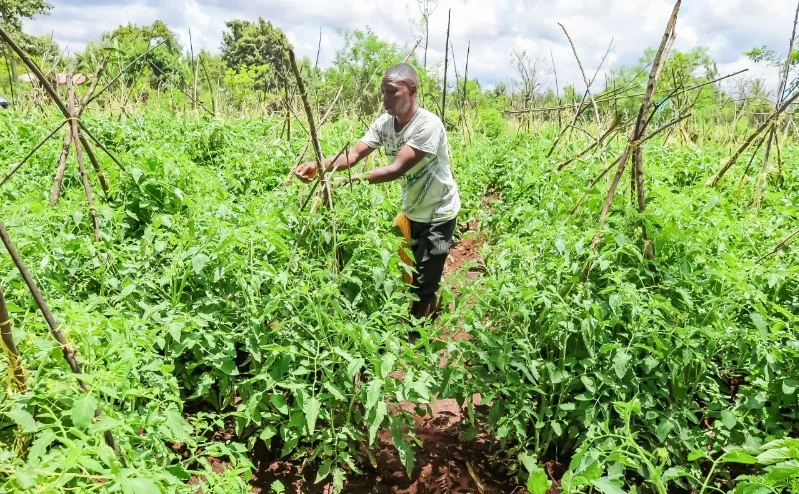
Cabbage, tomato and sukuma wiki farmer Daniel Githaka said the centre had not only lowered prices but also given farmers greater confidence in the quality of seedlings.
“Previously we could not confirm the quality of the seedlings we bought, but with the county propagation centre, we are assured of getting high-quality seedlings at lower prices,” Githaka said.
The centre has also become a training facility for farmers through its link with the Kirinyaga Agricultural Technical and Vocational Education and Training Centre.
Gachara said farmers are being trained on appropriate agronomic practices, with the county planning to hold about three farmer field days every year.
The centre has also helped reduce the logistical burden faced by farmers, particularly those who previously had to travel long distances to buy seedlings.
Tomato farmer John Muchoki said having the facility within reach had enabled him to save both time and money, allowing him to concentrate more on farm activities.
“It has reduced my farming costs because of the lower prices for the seedlings as well as the travel costs. I can walk to the propagation centre, buy the seedlings and come back and plant,” Muchoki said.
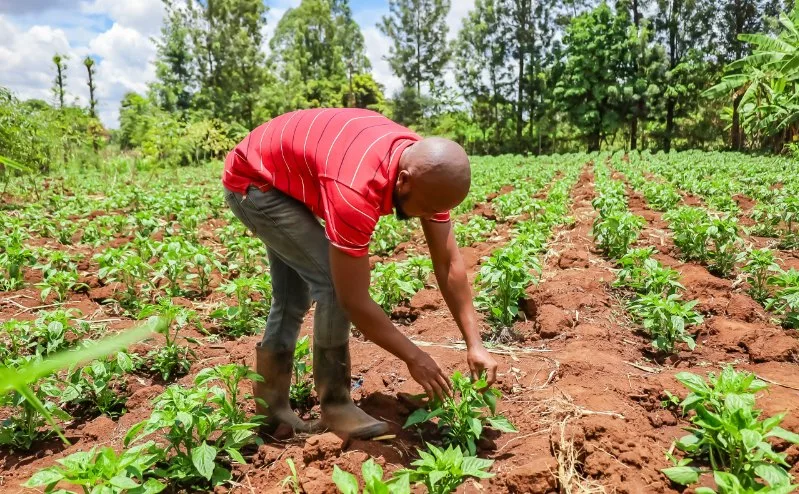
He said the agronomic guidance provided at the facility was helping farmers make better decisions on crop establishment and management.
Another tomato farmer, Michael Mwangi, credited the availability of improved varieties with better yields and increased returns from his farm.
“The county government gives us Rafano and Ranco tomato seedlings, which are high-yielding seedlings, at very affordable rates. This has seen my yields increase tremendously and my profits grow,” Mwangi said.
The centre has also reduced the price of tomato seedlings from Sh2,200 to Sh2,000 per crate, while capsicum seedlings have dropped from Sh1,200 to Sh1,000.
Farmer Sammy Maringa noted that timely access to seedlings was particularly important for horticultural farmers because delays in planting could disrupt production cycles.
“Kangai ward is one of the most productive areas in horticulture and having access to seedlings on time has therefore gone a long way in boosting economic growth in this ward and in Kirinyaga county as a whole,” Maringa said.
Governor Waiguru has identified horticulture as one of the key areas under the county’s agricultural development agenda, with tomato production increasing from 46,000 tonnes in 2017 to 116,000 tonnes in 2022, generating about Sh6.9 billion annually for farmers.
The propagation centre is expected to further support the growth of horticulture by improving access to quality planting materials, lowering production costs and equipping farmers with skills to improve crop yields.