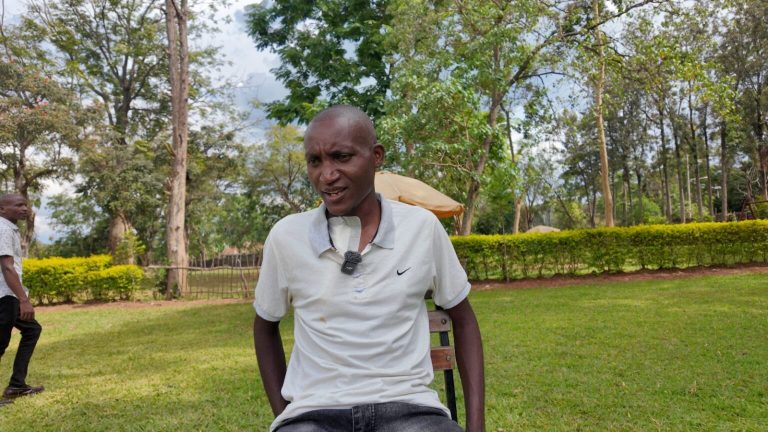
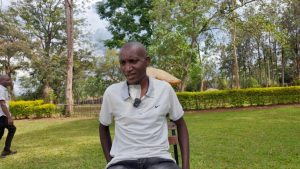
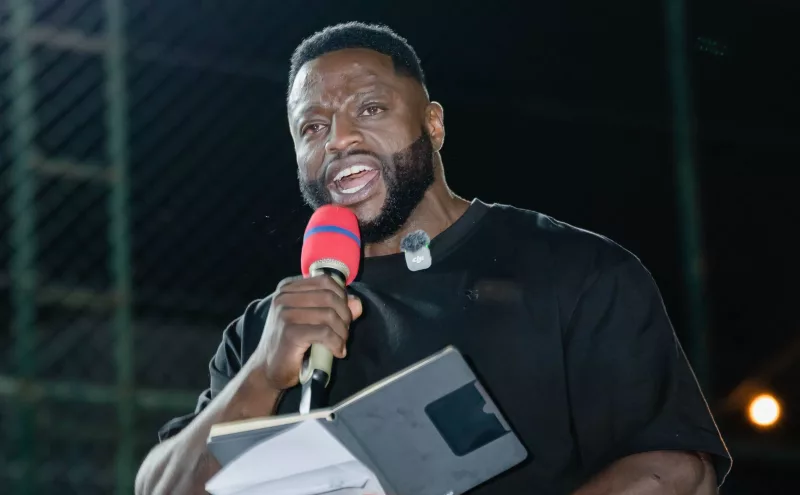
In a message shared on his Instagram Stories on Monday, 21 September 2026, Njoroge encouraged fellow bodybuilders to celebrate each other’s progress rather than viewing success as a limited resource.
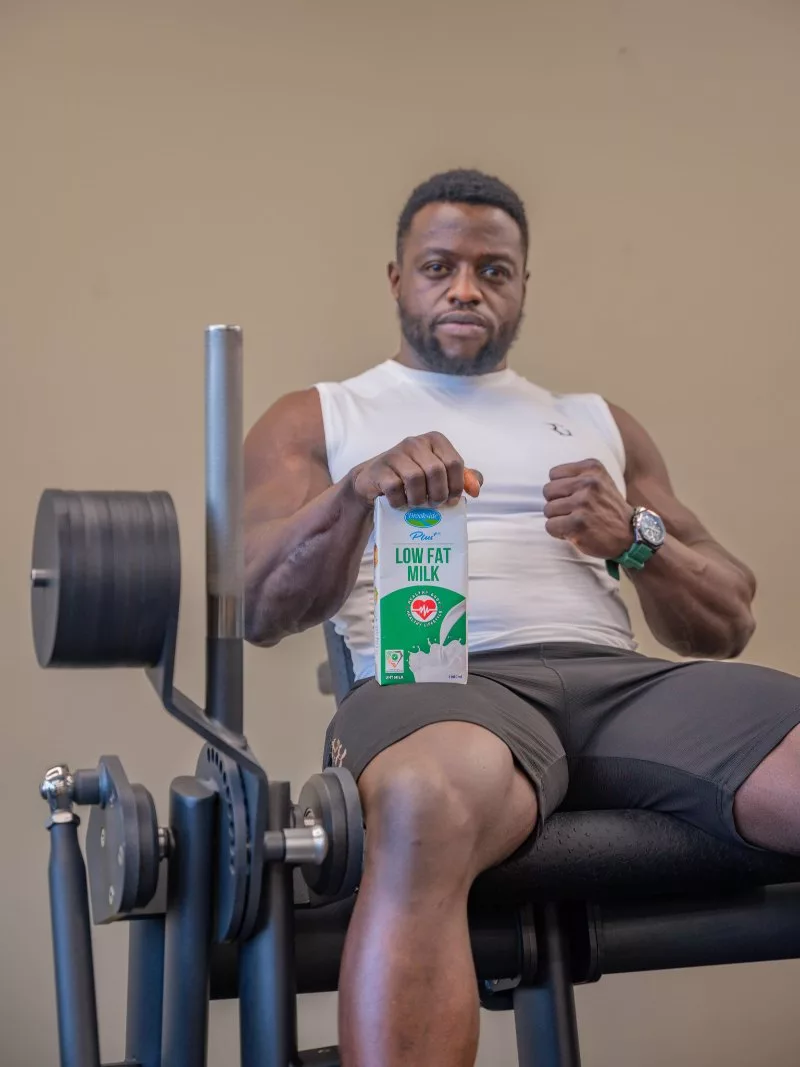
‘We rise by lifting each other’
Njoroge argued that there is room for different athletes to grow within the sport.
“We rise by lifting each other.”
He added that bodybuilding should not be treated as a solitary pursuit. Instead, he called for a culture where athletes can learn from, encourage and celebrate one another.
“There is room enough for every one of us to thrive. Abundance, not scarcity, is the true nature of this craft.”
His comments come as social media continues to play a bigger role in Kenya’s fitness industry. Instagram, TikTok and other platforms have given athletes and fitness personalities direct access to audiences without relying solely on traditional sports media.
Social media changes the fitness community
For influencers such as Njoroge, social media is more than a place to display physiques and workout routines.
It has become a space for discussing training, competition, nutrition, discipline and the challenges facing athletes.
Njoroge’s latest message shows how these platforms can also be used to shape conversations within professional communities.
Rather than addressing a general entertainment audience, his message was directed at people involved in the same sporting discipline.
That shift is significant in a Kenyan fitness scene where social media has helped make gym culture increasingly visible, particularly among younger people. A 2026 report by K24 noted the growing influence of workout videos, transformation posts and fitness influencers on Kenya’s gym culture.
‘Envy is a weight far too heavy’
Njoroge specifically challenged the idea that one athlete’s progress has to come at another’s expense.
“Let us make a habit of elevating one another, for envy is a weight far too heavy to carry, and love travels so much lighter.”
He also imagined a bodybuilding community where support takes precedence over constant comparison.
“Imagine an industry built on that principle where support outweighs suspicion, and every rep is cheered rather than measured against someone else’s.”
A sport facing its own challenges
Kenyan bodybuilding has grown, but the industry continues to face challenges around competitions, athlete welfare and organisation.
A review of the 2025 Mr 001 Championship highlighted concerns about event organisation and prize payments, while organisers disputed some of the allegations and provided their own account of how the event was financed and awards distributed.
Njoroge’s message does not directly address those organisational issues. Instead, it focuses on the relationships between athletes themselves.
His call for solidarity comes from someone who has previously spoken publicly about the realities of professional bodybuilding, including performance-enhancing drug use and its associated risks.
Influencers becoming community voices
Njoroge’s intervention illustrates how Kenyan influencers are increasingly taking on roles that extend beyond entertainment.
Their social media pages can now function as spaces for professional advice, debate, encouragement and community building.
For bodybuilding, where athletes often train individually but compete against one another, that community element can be particularly important.
Njoroge ended his message by returning to the idea that passion should remain central to the sport.
“Bodybuilding, at its heart, has always been an act of love. Let’s train like we believe that.”
His message leaves the wider bodybuilding community with a simple question: whether competition can coexist with a culture in which athletes also celebrate one another’s progress.