

TANZANIA’S diversified conglomerate in energy, building materials, logistics and real estate across East Africa, AMSONS Group, is making a Sh4.5 billion social investment in maternal healthcare, seeking to bring quality services closer to women and children in some of Kenya’s most underserved counties.
The group, best known for its investments in cement, energy and manufacturing, where key investments in Kenya include Bamburi Cement and East African Portland Cement, plans to build 10 Mother and Child hospitals within two years through its Mama na Mtoto Kwanza initiative.
The programme, being implemented in partnership with the Ministry of Health and county governments, starts with a 250-bed Level 4 facility in Chebunyo, Bomet County, and will extend to nine other locations.
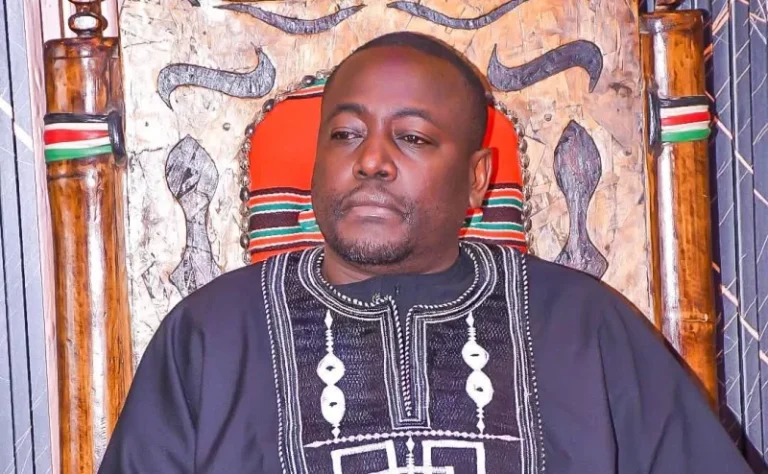
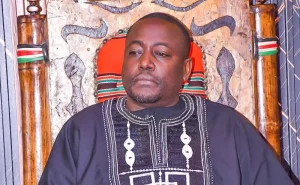
Managing Director Edha Nahdi spoke to the Star on the thinking behind the investment, the maternal health challenge it seeks to address and Amsons Group’s broader vision of shared prosperity.
Amsons Group is primarily known for its investments in cement, energy and manufacturing. Why are you now making such a significant investment in maternal and child healthcare?
We are keeping a promise we made about a year ago to the President of Kenya, William Ruto and the people of Kenya. Back then, we promised that besides investing in local manufacturing entities such as Bamburi Cement Plc and the East African Portland Cement Plc, we would also make significant social impact investments. Investments that position us as corporate citizens of Kenya.
At Amsons Group, we believe investment should ultimately contribute to improving people’s lives in the communities where we operate. For us, Mama na Mtoto Kwanza is therefore an expression of our philosophy of shared prosperity.
We believe, Chanda chema huvishwa pete (a good finger gets a ring).Remember, our support goes beyond constructing buildings, as it is about protecting lives, restoring dignity and ensuring that mothers and children can access quality healthcare closer to where they live.
Too many mothers, particularly in rural communities, still have to travel considerable distances to obtain essential healthcare, sometimes under very difficult circumstances during pregnancy and childbirth. In this day and age, this should not be the case, and at Amsons, we want to help change that while promoting maternal health.
How substantial is the Mama na Mtoto Kwanza commitment?
To put this question in context, it is important to paint a picture of the need at a community level and why I am passionate about maternal health. According to the Ministry of Health and UNFPA, the maternal mortality ratio, the number of women dying of pregnancy-related causes, stands at 355 deaths per 100,000 live births.
Given the current annual births, this means that nearly 5,000 women and girls die each year due to pregnancy and childbirth complications. These sisters and wives of ours are dying not from disease burden, but from poor prenatal and related preventable maternal healthcare, including limited access to mother and child hospitals.
Further, UNFPA reports that while access to skilled birth attendance has improved from 62 per cent to about 70 per cent over the last seven years, over 80 per cent of maternal deaths are attributed to poor quality of care. Additionally, many more women and girls survive with severe morbidity, including obstetric fistula and mental health complications.
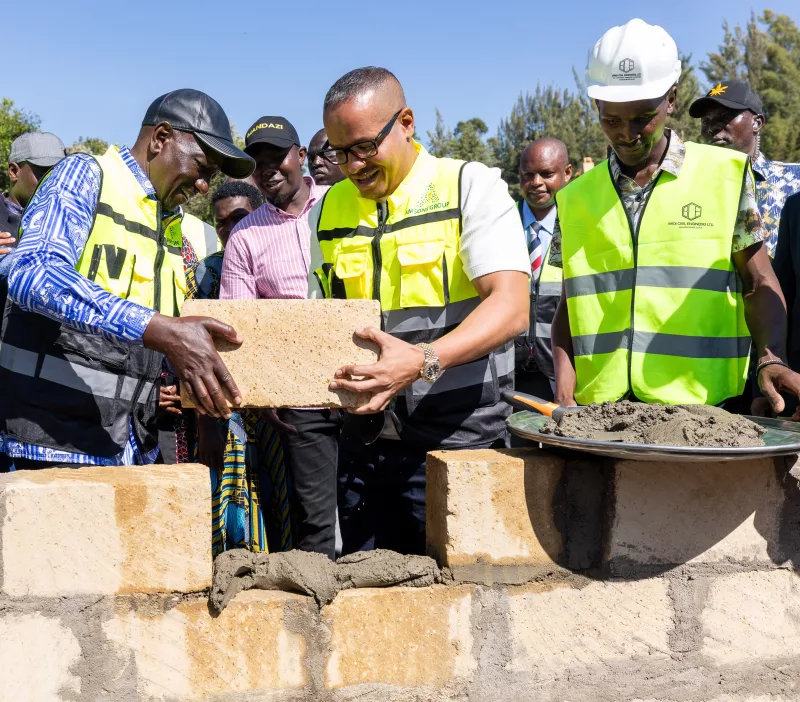
Through the Amsons Group Foundation, we are therefore investing US$35 million, approximately Sh4.5 billion, to establish ten Mother and Child hospitals in underserved counties. Our commitment is to deliver these facilities within two years, and the groundbreaking of Chebunyo Mother and Child Hospital in Bomet County is the first of the ten.
Where will the other hospitals be located?
The programme is intended to reach underserved communities in 10 of 26 counties currently identified as high-burden maternal death counties. The identified locations include two facilities in Nairobi and facilities serving Kwale, Mombasa, Garissa, Kisumu, Embu, Nakuru, Uasin Gishu and West Pokot, in addition to this first facility in Bomet County.
What exactly will Amsons Group deliver under this programme?
The ten hospitals are being developed under a build, equip and transfer model with the Ministry of Health. Each facility is envisaged as a modern Level 4 Mother and Child hospital with a capacity of 250 beds. Once delivered, the government, through the Ministry of Health and the respective county governments, will provide the necessary operational support, including staffing and medical supplies.
Why begin in Chebunyo, Bomet County?
Chebunyo represents precisely the type of community we want Mama na Mtoto Kwanza to serve, communities where bringing quality maternal and child healthcare closer to families can make a significant difference.
The importance of this first project also goes beyond Bomet, as Chebunyo establishes the standard against which the subsequent facilities will be delivered. We therefore want to get the model right here, right from construction quality and safety to accountability and eventual service to mothers and children.
What does success look like for Amsons Group? Is it simply completing ten hospitals?
No. Completing ten hospitals is an important deliverable, but it is not our ultimate measure of success. As I said during the groundbreaking ceremony, our success should ultimately be measured not only by the hospitals we build, but by the mothers protected, the children treated, and the lives saved. A society that does not address maternal health challenges cannot aspire to greatness and erodes the very foundation of its existence.
Infrastructure has meaning only when it translates into impact and better outcomes for people. We want a mother to be able to access care safely and with dignity, and we want every child who comes through these facilities to have the opportunity for a better start in life. This, in essence, is what sustainability is all about, as these mothers and children will most likely be our future customers.
What role does partnership with government play in the initiative?
This is a true Public-Private Partnership, and at Amsons we are glad that this project was approved even at the Cabinet level last June. We are working closely with the Ministry of Health with officials such as Cabinet Secretary Aden Duale and the PS Ouma Oluga, among other officials leading from the front.
The respective county governors, including governor Barchok in Bomet, have also provided immense support. An initiative of this scale cannot achieve its full impact through private-sector investment alone. It requires partnership between the national government, county governments, the private sector and local communities.
President William Ruto presided over the groundbreaking. How does the initiative fit into the government’s wider health agenda?
As just mentioned, this is a partnership between the government of Kenya and Amsons Group. It is also a promise kept, and you will recall that President Ruto, at the Chebunyo ceremony, indicated that the facilities would complement the government’s ongoing health infrastructure expansion under the health systems trrengthening project.
The stated objective of that programme is to increase the number of adequately equipped health facilities, particularly at Levels 4 and 5, capable of providing inpatient care, referrals, emergency and critical services, diagnostics and treatment. The Amsons Mama na Mtoto Kwanza initiative can therefore contribute additional infrastructure to this broader effort.
Amsons has recently expanded its investment footprint in Kenya. Should this healthcare programme be viewed in that broader context?
Yes, we see ourselves as a long-term investor in Kenya and across Africa. As our businesses grow, so should our contribution to the societies in which we operate; that is our defining philosophy and ethos. Amsons Group started as a family-owned business in Tanzania and has developed into a diversified pan-African group. Today, our operations span sectors including cement manufacturing, energy, logistics, flour milling and related industrial activities.
In Kenya, our investments include Bamburi Cement and East African Portland Cement. But our presence should not be measured purely by the value of the businesses in which we invest. Shared prosperity means asking what enduring value our presence creates for employees, suppliers, communities and future generations.
Will communities around these hospitals derive economic benefits during construction?
By a big measure, yes, the communities will benefit immensely. We will seek to create opportunities for local workers, suppliers and businesses during the construction process, and we have aligned on the same with the contractors.
At the same time, those opportunities cannot compromise our standards. Our expectations of contractors, consultants and project teams are very clear: these facilities must be delivered to the required quality, within agreed timelines and with high standards of safety, transparency and accountability.
So there is a local economic dimension, but there is equally a strong governance and quality dimension.
Ten hospitals within two years sounds like an ambitious construction timetable. Are you confident Amsons can deliver?
We recognise the scale of the undertaking, which is why delivery discipline will be critical. We have made a public commitment and understand the responsibility that comes with it. Our project teams, consultants and contractors have been given a clear mandate around quality, timelines, safety and accountability. Chebunyo is important because it establishes the delivery framework for what follows.
What message do you have for the communities where the hospitals will be built?
These hospitals are ultimately community assets. In Chebunyo, I asked the community to embrace the hospital, support its construction and eventually protect it as an important local asset. We want that same sense of ownership wherever Mama na Mtoto Kwanza goes, as Amsons can provide the investment and work with government to establish the infrastructure, but the long-term success of these facilities will also depend upon communities seeing them as their own.
Finally, what would you like Mama na Mtoto Kwanza to represent when the programme is completed?
I would like it to represent what is possible when business, government and communities come together around a clear social purpose. We are building hospitals, but the real objective is bigger than bricks and cement, as we are building places of hope, healing and new life.
That is why we call this initiative Mama na Mtoto Kwanza; Mother and Child First. If, at the end of this journey, more Kenyan mothers can safely deliver their children closer to home, more newborns receive the care they need, and families have greater confidence that quality healthcare is within reach, then this investment will have achieved what we set out to do.