Kenya’s celebrity interview culture is undergoing a noticeable transformation. More public figures and entertainers are turning to podcasts, YouTube platforms, and TikTok Lives to connect with audiences on their own terms.
The migration does not render traditional radio and television broadcasts obsolete. Instead, it offers creators self-hosted platforms to tell stories, address personal controversies, and promote new projects without tight studio time limits.
Uncut Conversations and Independent Outlets
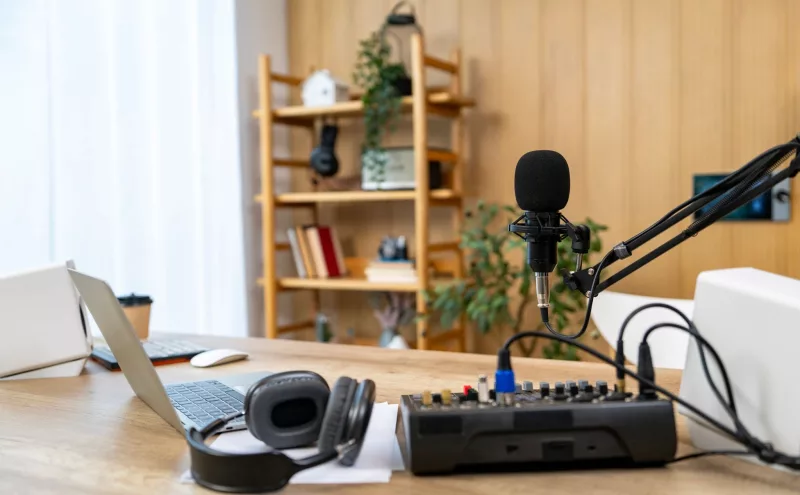
Digital platforms give creators space for extended discussions. Popular podcasts such as Mic Cheque have become key fixtures in local pop culture, tackling relationships, entertainment news, and societal issues in a relaxed setting.
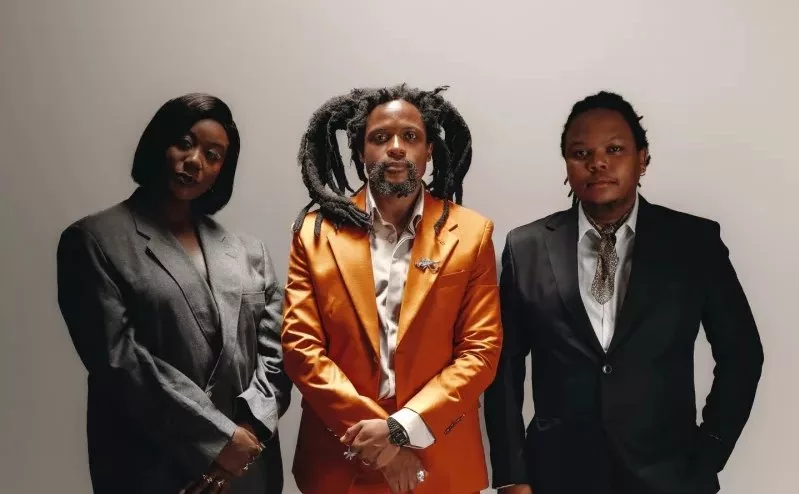
Similarly, The Lynn Ngugi Show demonstrates the commercial reach of independent digital journalism. Her channel has accumulated over 1.5 million subscribers on YouTube through human-interest stories and unedited long-form interviews.
Personalities Launching Their Own Outlets
Established broadcasters are also building independent digital media outlets. Media personality Oga Obinna created Obinna TV, a dedicated online hub hosting long-form interviews with public figures and musicians.
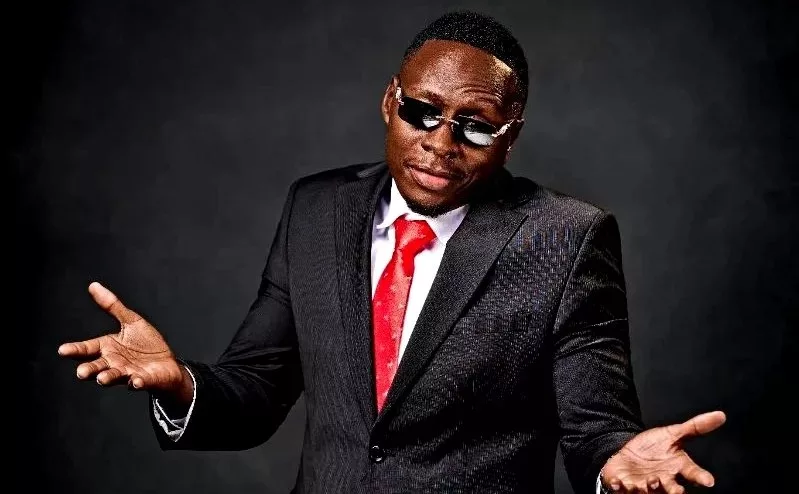
This strategy allows hosts to publish full, unedited conversations on YouTube before clipping memorable highlights for TikTok and Instagram. A single recording session can yield content that circulates across feeds for weeks.
Real-Time Engagement via TikTok
Interactive features on TikTok Live add another layer to digital broadcasting. Unlike pre-recorded studio segments, live streams let artists engage directly with viewers in real time through instant comments, questions, and reactions.
Audience habits support this transition toward digital channels. According to the Media Council of Kenya’s 2025 State of the Media Survey, social media serves as the primary news source for 39 per cent of respondents, outstripping television at 31 per cent and radio at 21 per cent.